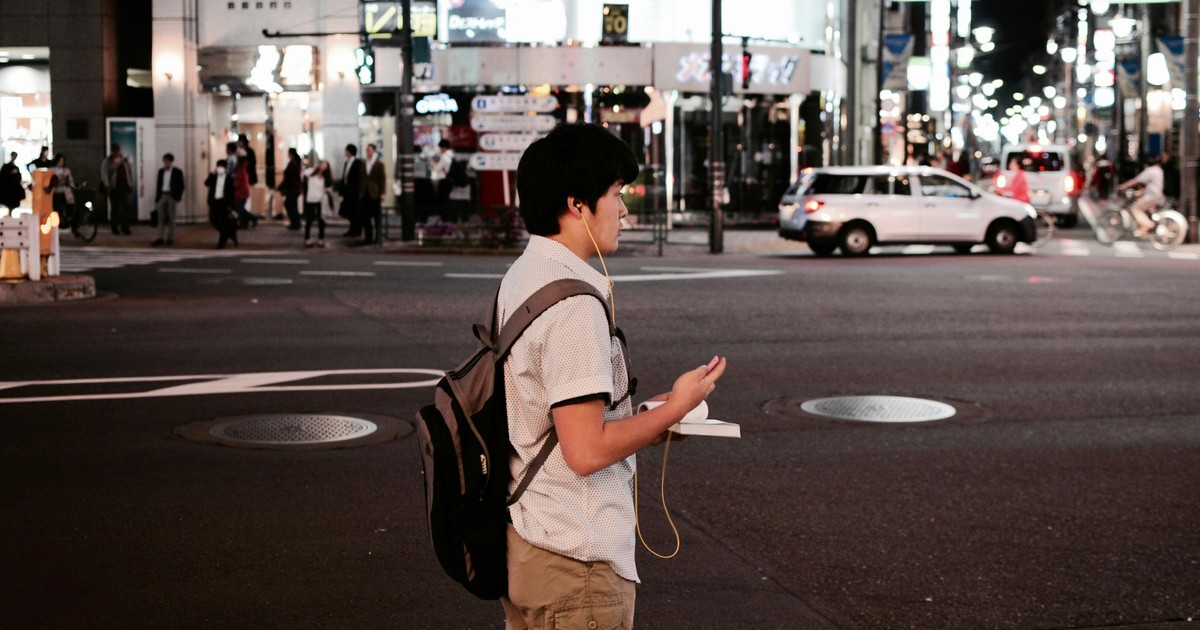
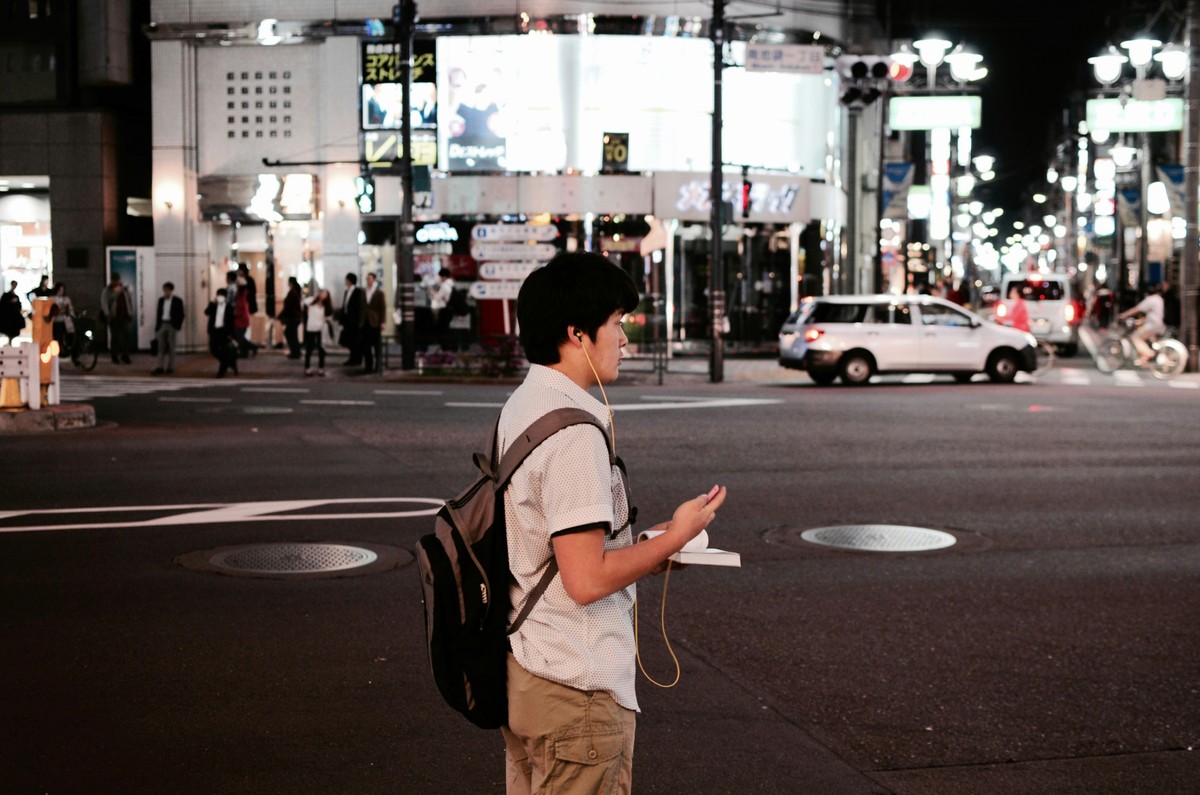
The city in central Japan wants to limit the use of smartphones by all its 69 thousand. residents up to two hours a day. Officials' plans caused an intensive debate on devices addiction.
See also: This discovery will change the EV market. Japan found a real treasure
A proposal of restrictions on the use of phones, which is to apply to both children and adults, considered the first of its kind in Japan. As “The Guardian” reports, it is currently the subject of discussion among legislators.
The mayor of Toyoake said that the proposal concerns only time except for work and science. He also added that he would not be strictly enforced, but is to “encourage” residents to better manage time spent in front of the screen.
There will be no penalty for breaking the principle that will be adopted in October if it is approved by legislators.
The city wants a daily use of smartphones
Officials in Toyoake, Aichi prefecture, admitted that they decided on this means of restriction in the face of growing physical concern and mental influence of excessive use of smartphones on people of all ages.
This move aims to “prevent excessive use of devices that cause physical and mental health problems (…), including sleep problems” – explained the mayor of Masafumi Koki, whose words are cited by “The Guardian”.
See also: They close companies because there is no one to give the helm. Poland can divide the fate of Japan
The project calls for primary school students – aged six to 12 years – and younger children to avoid using smartphones or tablets after 21:00, while teenagers and adults are encouraged to put their devices to the side after 22:00.
The proposal of the city authorities did not meet with the favor of many out of 69 thousand. Toyoake residents. According to the Mainichi Shimbun newspaper, officials received 83 telephones and 44 emails within four days of the announcement, of which 80 percent It was critical of this means.
According to “The Guardian”, in 2020 the region in Western Japan adopted a regulation – also not binding – limiting children to an hour a day playing games during the week and up to 90 minutes during school holidays.