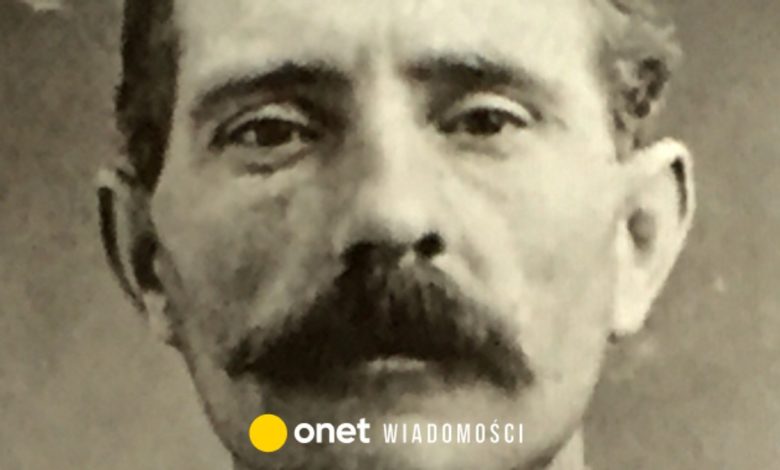
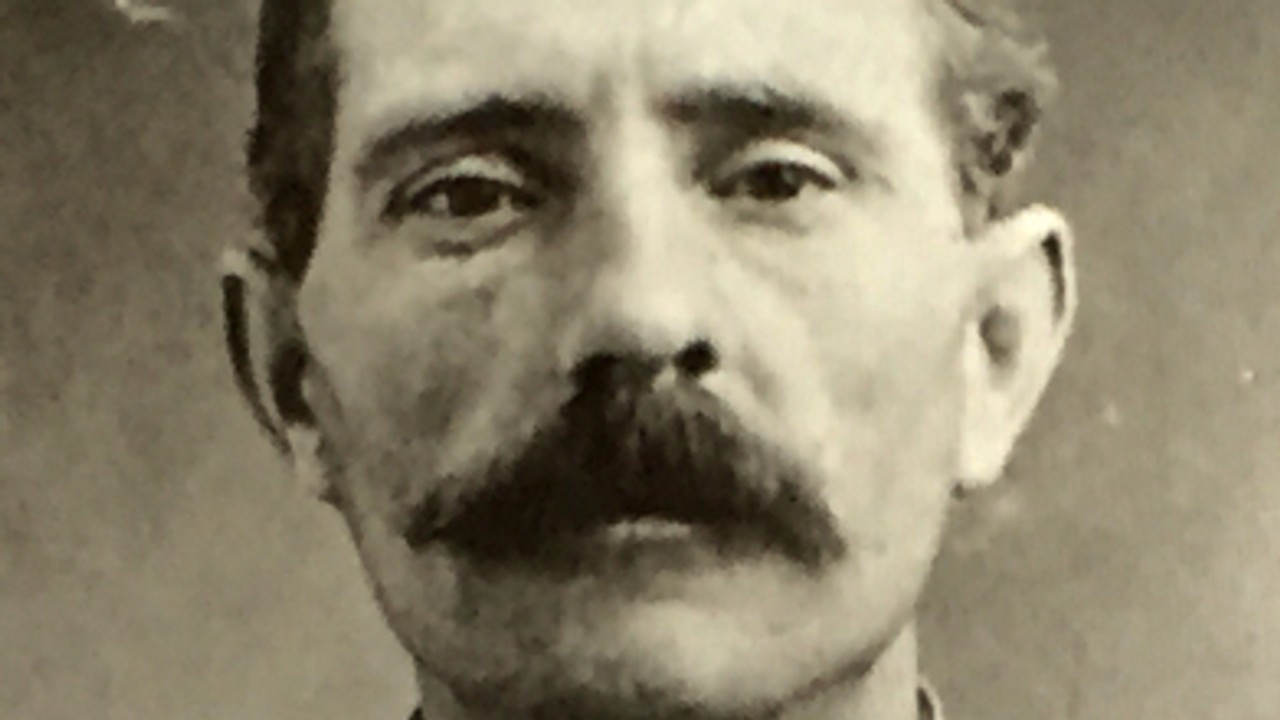
George Joseph Smith was born on January 11, 1872 in London, as a son of an insurance agent. The early years of his life are not accurately documented, but according to one of his later wives, in his childhood George spent some time in the juvenile.
After returning home, he quickly got into conflict with the law. The first sentences concerned minor thefts, including a bicycle, for which he was imprisoned for six months. However, the real criminal career was just coming.
Professional bigamist
Smith quickly understood that hackering home and robbing their inhabitants is not the easiest or the safest way to get rich. He decided that it is safer, It will be faster and easier to get the property, getting married with a wealthy virgin, and preferably with a few. That's how he became a professional bigamist with several identities. He was known, for example, as George Love, John Lloyd or Henry Williams – we read on Qfant.
Thanks to his personal charm and manipulation, he easily denied lonely women with the promises of life together and contained further marriages, without divorcing any of them. He abandoned some of them, escaping with their savings. Others were less lucky and in dramatic circumstances they lost not only their property, but also life.
Death in the bathtub
Smith was methodically acted. The women he chose to his wives were lonely and susceptible to influence. Often after the wedding he moved with them to new towns away from their loved ones. His Modus Operandi, or how to act, was thought out and cool.
The first victim was the Bessie of a unit, a wealthy heiress, which Smith married Henry Williams. After a few months of life together, he initiated the preparation of wills, of course, beneficial to himself. Shortly after Bessie was recognized as a result of a “unfortunate accident” in the bathtub, Smith collected the inheritance and moved on. Officially, the woman drowned as a result of an epilepsy attack – says Watford Observer.
More wives – Alice Burnham and Margaret Lofty – did not have such significant property, but Smith found a different source of profit. He urged his future wives to buy life policies and write to will – informs the criminatorium service. The scheme was repeated every time: a wedding, a short trip, a doctor who diagnosed disturbing symptoms, and then death in the bathtub. Everything gave the impression of a tragic coincidence. Alice died a month after the wedding, and Margaret only a day after the ceremony.
He was published by a former father -in -law
It seemed for a long time that Smith was going dry. He managed to convince doctors, officials and neighbors that his wives died tragically but naturally. However, what looked like the unlucky series of unfortunate events began to raise doubts. After the report on the investigation of Margaret Lofta's death, the father of one of the previous victims – Alice Burnham, noticed disturbing similarities and notified the police about it.
Investigators juxtaposed facts: each of the women died in the bathtub, each shortly after the wedding, and each previously transferred to Smita or bought a policy. The same circumstances, the same tactic. Women's exhumations and verification of old files were carried out. The analysis showed that women could not slip and drown by accidentso their death had to be the result of brutal action, although without typical signs of violence.
Smith used the moment of vulnerability, surprised the victims while bathing, immersing their heads in the water. Death came quickly and almost without traces. This was confirmed by the experiment of pathologist Bernard Spilsbury with bathtubs in which they drowned the victims. Spilsbury has proved that even a temporary immersion of the head could lead to a quick and inseparable drowning, especially with sudden surprise.
The court had no doubt
Smith was arrested on February 1, 1915, initially on the charges of Bigamia. Soon, however, he was accused of three murders. Although his defender tried to undermine the evidence and suggest the innocence of the accused. However, the scale of the connections between deaths and Smith's greed were too obvious. The court had no doubt that his weapon was words, tenderness and a false sense of security. This is what made him so dangerous.
Smith was sentenced to death by hanging, and the sentence was carried out on August 13, 1915 in a prison in Maidstone – We learn from British Executions. His story was enrolled on the pages of forensics as one of the first cases where investigators had to face such a subtle and unprofitable way of killing.
The case of the “murderer from the bathtub” or “fiancee in the bath”, as it began to be called, contributed to the development of forensic medicine techniques and pointed out public attention to the threats related to the abuse of trust in marriage relations.