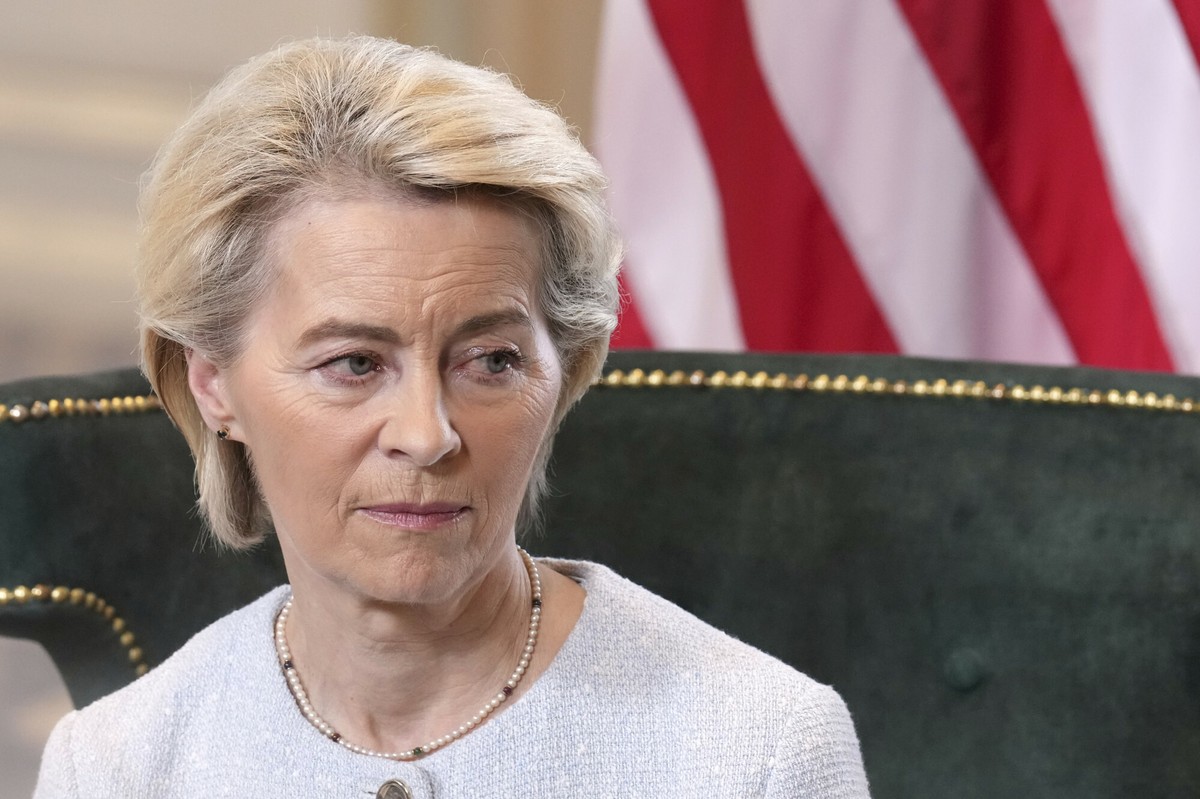
“The European Union will be ready when it is time for democratic transformation. We maintain our promise of allocation of EUR 3 billion for democratic Belarus,” wrote von der Leyen on the social platform. The chairwoman of the EC also emphasized the involvement in helping independent media, human rights defenders, democratic opposition and civil society.
As part of the symbolic gesture, von der Leyen expressed the hope that the day when Belarus would fulfill its aspirations to freedom and democracy would come as soon as possible. She also emphasized that the Union would not terminate over a thousand political prisoners in activities to release.
Read also: The neighbors of Polish hunger looked into the eyes. Georgians with potatoes started with help
Appeal to release prisoners
In a joint statement, the head of EU diplomacy Kaja Kallas and the extension commissioner Marta Kos firmly condemned the repression on Belarus and appealed for their ending. “Repression of civil society must end” – they said. The authorities of Belarus were also called to immediately release all political prisoners and to stop supporting Russia's warfare against Ukraine.
The European Union from 2020, when after the forged presidential elections in Belarus, a wave of protests broke out brutally suppressed by the regime, has already allocated EUR 170 million to support the Belarusian civil society, independent media and people affected by political repression.
The assistance package of EUR 3 billion, frozen until democratic reforms in Belarus, aims to stabilize the economy and assistance in the implementation of institutional and economic reforms. The decision to accept such a plan was made after the 2020 election, and was supported by, among others through Poland.
The Saturday anniversary reminds of the events of August 2020, when, on the wave of universal conviction about the falsification of the results of the presidential election by Alaxander Lukashenko, a wave of mass demonstrations swept through the whole country. The opposition did not recognize the results of the election, and the opponent of Lukashenko, Latin Cichano, was forced to emigrate. These events permanently changed the political landscape of Belarus, which still remains in the arms of the authoritarian regime.