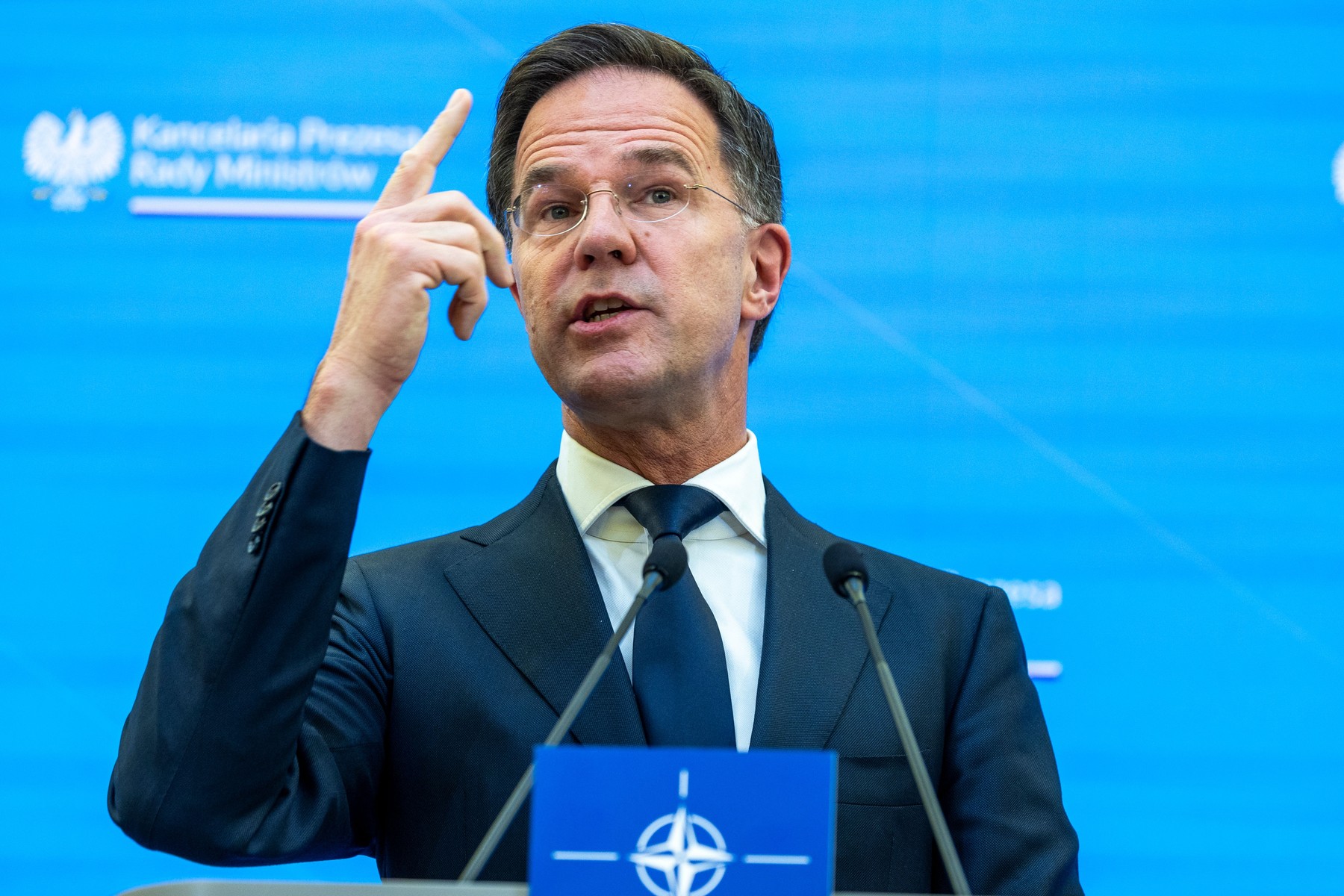
Nicușor Dan signed the Decree of Dragoș Anastasiu's release decree at 12 days after he resigned

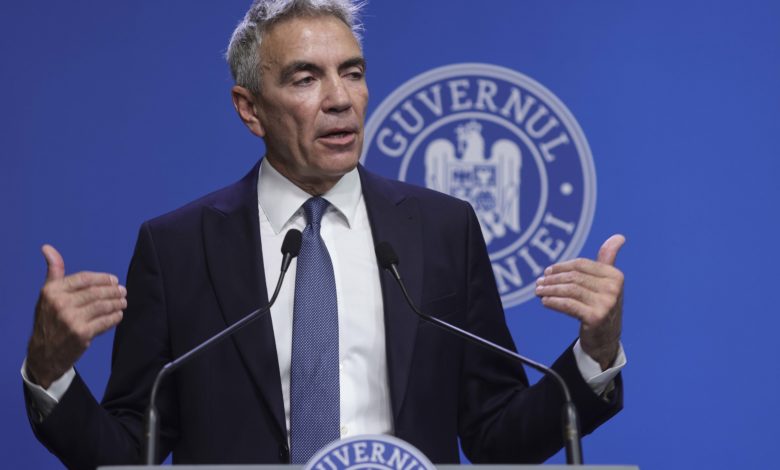
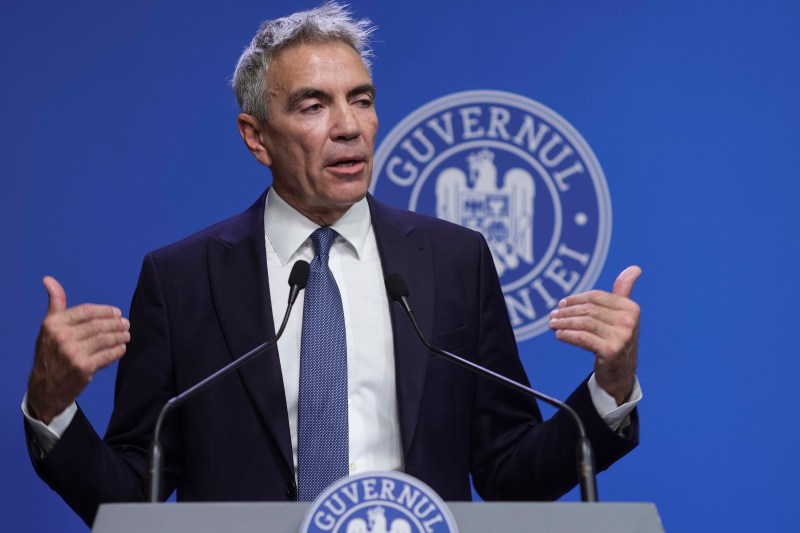
Press conference organized by Deputy Prime Minister Dragoș Anastasiu at the headquarters of the Government of Romania, in Bucharest, July 27, 2025. Photo: Inquam Photos/ Octav Ganea
President Nicușor Dan signed on Friday, almost two weeks after the resignation, the decree of release from Dragoș Anastasiu. Despite the resignation, Anastasiu still appeared as a member on the government website.
On July 29, Prime Minister Ilie Bolojan said that he signed the resignation of the Deputy Prime Minister, who was then registered: “The resignation was registered yesterday (no – Monday, July 28), he went through the usual procedure, even before coming to the press conference, I was brought to the document for signing, to go to this procedure”.
According to the Law on the organization and functioning of the Government, the resignation of the position of member of the Government is announced publicly, is presented in writing to the prime minister and becomes irrevocable from the moment when it was taken to submit it, but not later than 15 days from the date of submission.
Then, the President of Romania takes note of resignation and signs the presidential decree of release from office.
The head of the state signed the decree of release from office 12 days after the resignation arrived at the Cotroceni Palace.
“Decree for finding the holiday of a member of the Government of Romania through the resignation of Mr. Michael-Dragoş Anastasiu, Deputy Prime Minister,” says the Presidential Administration statement.
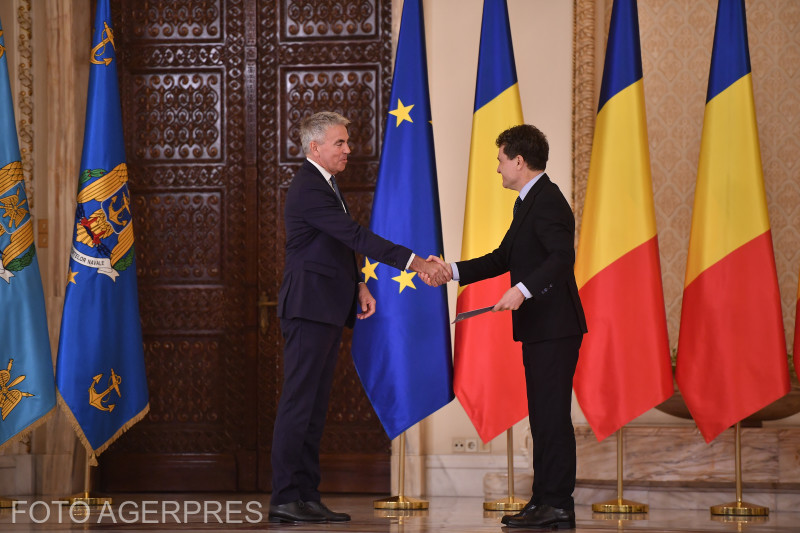 Dragoș Anastasiu is still a member of the government, 8 days after resignation. Presidential Decree on Liberation Delay
The file “Bribe at ANAF”
The information regarding the involvement of the company of Deputy Prime Minister Dragoș Anastasiu in the corruption file have been reported by the reality and can be found in the decisions of the Bucharest Court and Court of Appeal, consulted by HotNews.
Heard both in the criminal prosecution phase and in the two stages of the trial in the court, Dragoș Anastasiu acknowledged the corruption facts that have spread over 8 years.
He explained that he chose to accept the proposal of the inspector who had come to control his companies, although he perceived that it was a “blackmail”, as he said in court. Anastasiu considered that if he did not offer the bribe to the official ANAF, his company risks being closed, and the employees “will stay on the road”. The current deputy prime minister also told the hearings that the official had threatened a director of the company that “he will put his employer in prison”.
On July 27, when he announced his resignation from the position of Dragoș Anastasiu, he claimed that he gave “a bribe of survival, not enrichment”. He argued that “there are two types of spikes”: “There are survival splashes and enrichment and, from my point of view, the work was from the survival area.”
Dragoș Anastasiu was appointed in February by Ilie Bolojan, immediately after taking over the mandate of interim president, as an honorary counselor for the relationship with the business environment. He continued in Cotroceni in the first month of Nicușor Dan's term. Together with Radu Burnete, an economic counselor in Cotroceni, Dragoș Anastasiu was part of the technical working group that worked on measures to reduce the budget deficit.
From June 23, he went to the government as a deputy prime minister on “reform” issues of the budget system in Ilie Bolojan's office.
Dragoș Anastasiu, 61, is a graduate of medicine in Germany, where he lived for a while. In Romania he did business in tourism, transports and hotels, the best known being the Travel Agency and the Eurolines transport group. He was the president of the Romanian-German Chamber of Commerce.
In recent years, Anastasiu has been the head of the Nonguvermental Organization Rethink Romania, a think tank that generally grouped business people and dedicated, among others, to “limiting the number of public policies elaborated” on the knees “, without well -documented premises.”