The European Court of Accounts accuses the EU of funding NGOs in a “too opaque” way. Aspects claimed

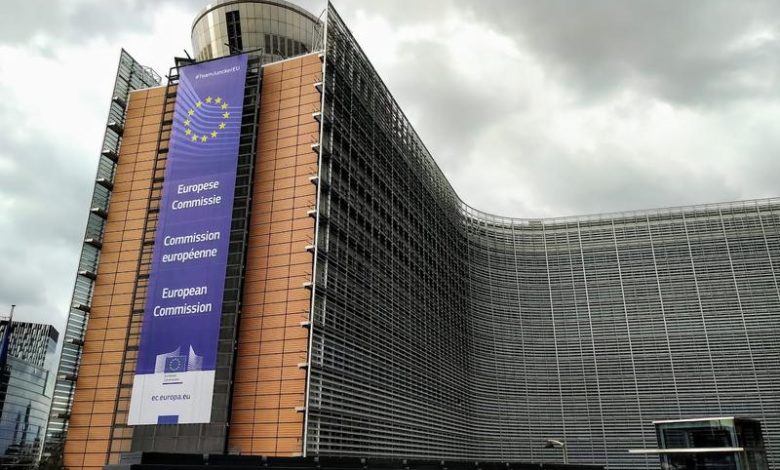
European Commission, photo: HotNews.ro / Victor Cozmei
The European Union has granted 7.4 billion euros to a multitude of non-governmental organizations during the period 2021-2023, but the public information about the beneficiaries and how to use the amounts are incomplete, the European Court of Accounts (ECA), in a Monday report, according to AFP.
“The EU financing for NGOs is too opaque and suffers from a lack of transparency,” said Andrikiene, the main auditor of the report. “Here we are not talking about peanuts,” she continued, referring to the amounts involved.
The indications that the EU has allocated some of the money granted to the environmental NGOs to be used in the lobby made in addition to the European institutions have triggered a real political storm in Brussels at the beginning of the year.
The right-handed MEPs used the reports that show that the money allocated in Life, a financing tool on the environmental area, had to do with the lobby made in addition to their colleagues as ammunition in a wider effort against the green agenda that Brussels promotes.
The calls for an investigation and the stopping of the financing encountered resistance from the left -handed MEPs.
Last week, the Group of Socialists and Democrats of the European Parliament denounced a “scandalous attack” that is meant, says the group, to silence the efforts of civil society for environmental protection.
“A greater transparency in the way these funds are used is undoubtedly necessary. However, it is a mistake to show your finger to civil society in this debate,” said Daniel Freund, MEP of the green.
The issues claimed by ECA
In his report, ECA says about the European Commission that he has not clearly disclosed the information he has in terms of advocacy activities that NGOs with EU money.
Eca advertise, at the same time, the lack of active controls to provide the guarantee that the funded groups are effectively independent and respect the European values, but also the absence of an “reliable vision” on the amounts paid to the NGOs.
In one of the cases, says ECA in the report, a large research institute has been classified as NGOs even if its management body was composed exclusively from government representatives.
According to ECA, such deficiencies exposed the EU to a “risk of reputation”.
“Transparency is key to ensure a credible participation of NGOs in the elaboration of EU policies,” said Andrikiene.