The company that created Chatgpt has launched after a 6 -year break two models with open source

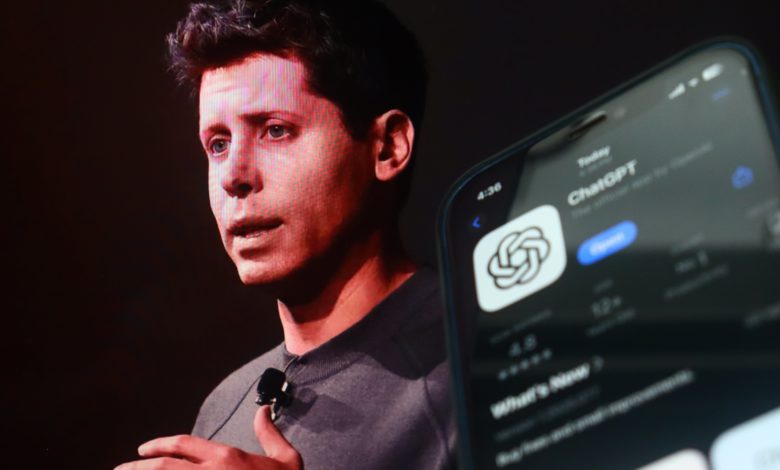
Sam Altman, the CEO of Openai company that developed Chatgpt, photo: Shutterstock
For the first time in five years, Openai has launched two new free and open-source artificial intelligence models (with a public and free source code), which do not require high computing power and have been designed to be easily integrated into other software, reports Gizmodo.
In a message published on his blog on Tuesday, the company described the models “GPT-20B” and “GPT-20B” as flexible artificial intelligence algorithms, but powerful, capable of performing a variety of tasks and being used in numerous contexts.
The company has also included a feedback section and an extended blog post, which explains in detail the models and how they work. The Openai CEO, Sam Altman, said on the “X” platform that they hope that these artificial intelligence models will help “new types of research and create new types of products”.
Altman also referred to the open-source approach: “We believe in the individual's empowerment,” he said. “Although we believe that most people will want to use a convenient service like Chatgpt, they should have the opportunity to control and modify their own AI when they need-and the benefits on confidentiality are obvious,” he continued.
The last Open Source of Openai model was GPT-2
Unlike most Chatgpt products, the open-source models reveal the training parameters that were used to build them. This level of transparency gives observers the advantage of understanding how the system works and why they could react in certain ways.
The last time Openai launched an Open-Source model was in 2019, with the launch of GPT-2. At that time, Openai was still a little known startup and they would have been a few more years until the launch of Chatgpt at the end of November 2022.
At that time, the company was often mentioned as “Elon Musk's project”, despite the fact that Musk had already separated from the company for some time.
Perhaps the most important aspect: users will not have to pay to use the two new models.
Critics in recent years at OpenAi address
According to Openai, “GPT-SS” is built to be integrated into “agent working flows”, which means that new types of automated work-made by the so-called “agents Ai”-can be fed by the new algorithms. New models are also launched under the Apache 2.0 license, which allows users to create newly based software on these algorithms without fear of being sued.
“Create freely, without worrying about copyleft restrictions or the risk of patent disputes-whether you experience, personalize or launch commercially,” says Openai. The Open-Source ecosystem works largely based on a multitude of such licensing agreements, which allow companies to build products starting from free models.
In recent years, Openai has been strongly criticized for the decision to continue approaching the “locked garden” in the development of its products. His launch of large linguistic models (LLM) remained owners and, therefore, closed to public examination.
Now, Openai seems to try to prove to the critics that they are wrong and reaffirm their commitment to the idea of being a truly “open” organization. It remains to be seen whether it will be able to maintain such a commitment to the Foss values, as it is also a company evaluated on hundreds of billions of dollars. Investors behind the Openai could continue to see an advantage in holding exclusive, closed and, above all, controlled systems by a select group of initiates.
It is worth noting that the GPT-5, the most powerful and expected new model of the company, will be launched almost certainly in the same way as the other recent GPT versions: closed.