Buyers of used cars in Romania should be especially careful given that imported cars are 50% more likely to have mileage given back, undermining confidence in the transparency of markets across Europe.
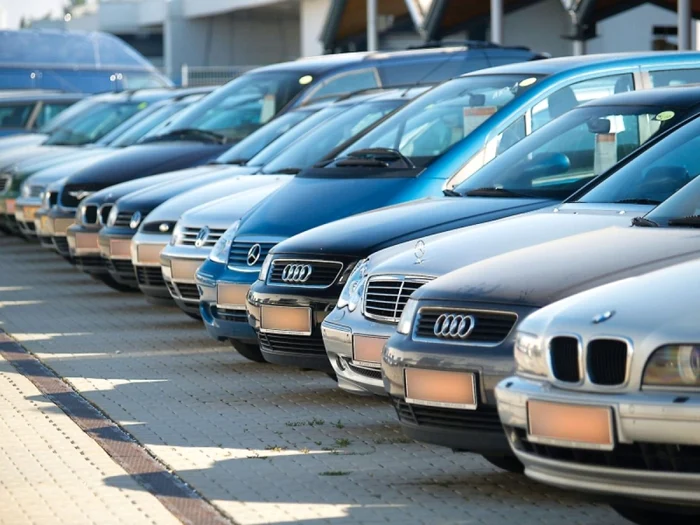
70% of Romanian drivers fear that they will buy SH cars with hidden problems. Archive photo
According to a market analysis, 69.9% of Romanian drivers fear that they will buy a second-hand car that has hidden problems.
Imported cars are a riskier choice
After analyzing all vehicle history reports purchased by carVertical users in Romania between September 2024 and August 2025, it was found that 7.5% of all vehicles checked had mileage returned. However, overall statistics do not fully reflect the true extent of odometer tampering fraud.
8.7% of imported cars had their mileage manipulated, compared to only 5.7% of cars driven exclusively in Romania. Therefore, when buying an imported vehicle, the probability of coming across a vehicle with a rolled back mileage is about 1.5 times higher.
Moreover, the survey of more than 10,000 drivers in Europe (including 1,000 respondents from Romania) showed that 53.6% of buyers do not trust used car sellers at all. Many buyers have been ripped off in the past, so purchasing a used vehicle is often a stressful process.
Mileage records, accident history and other important vehicle data do not accompany cars when they are exported, as this data remains in the country of origin. Therefore, some sellers and dealers may not be aware that the mileage of the cars they are selling has been altered or that they have been involved in major accidents.
“Laws differ from country to country when it comes to altering the odometer, which makes it difficult to control this type of fraud internationally. As countries do not exchange historical car data records, a car's history is reset once it is exported. Therefore, the risk of buying a car with the mileage given back is always several times higher when choosing a model that has been imported.”explains car expert Matas Buzelis.
More than six out of ten cars that were checked in Romania were imported
The extent of imports varies significantly across Europe. The largest number of imported cars is found in Latvia, Lithuania, Ukraine and Serbia. Of all the cars checked in Romania, 60.7% were imported from abroad, and 39.3% were driven exclusively locally.
The more cars imported into a country, the greater the chances of buying a vehicle that has hidden problems.
“Cars usually move from Western Europe to Central and Eastern Europe. Often these vehicles have been involved in accidents or have their mileage set back. Just because a car comes from Germany, France or another western country doesn't automatically mean it's in good condition. Every car has its story and not all of these stories are pleasant“, says Buzelis.
36.4% of car buyers in Romania say they have been cheated in the past
If a car has been driven in a particular country since it left the factory, the local authorities usually have a lot of historical data about it. However, once the vehicle is imported, its historical records do not “travel” with it.
81.6% of Romanian survey participants believe that, in this sense, buyers should have access to historical vehicle data and 64.6% of respondents stated that they support the distribution of non-sensitive data to achieve this.
Although some European countries treat the VIN as personal information, more than half of Romanian respondents (58%) believe that the VIN should not be considered sensitive information and that its disclosure does not compromise privacy.
Studies show that 36.4% of Romanian drivers have been cheated by dishonest sellers, who in the past bought a car that had the mileage returned or with hidden defects. Greater transparency of vehicle data would reduce fraud and bring much-needed clarity to the European used car market.
Only half of the Romanian dealers provide reports on the history of the car
Another survey by the data company shows that the most sophisticated car dealers no longer rely on experience or intuition alone, but on verifiable data. Dealers with the most experience (over 15 years in the field) are the most disciplined. Of these, 60% check every vehicle while dealers new to the market only check 25% of the time. For importers, this practice is even more important: 87.5% of dealers who import cars check the history of each vehicle.
According to the carVertical study, over half (56.3%) of Romanian dealers now use history reports as a key differentiator in the sales process. 43.8% provide reports upon customer request.
A history report can provide a wealth of information – from ownership changes to technical specifications, from past photos to the vehicle's legal status and even details of former commercial uses. However, dealers mainly use it for two key aspects: mileage and damage.
87.5% of surveyed operators indicate the verification of possible accidents as the main reason for purchasing a history report. The same percentage of 87.5% of dealers say that the report is also essential for confirming the actual mileage, while for 50% it serves to rule out the risk of dealing with a stolen car.