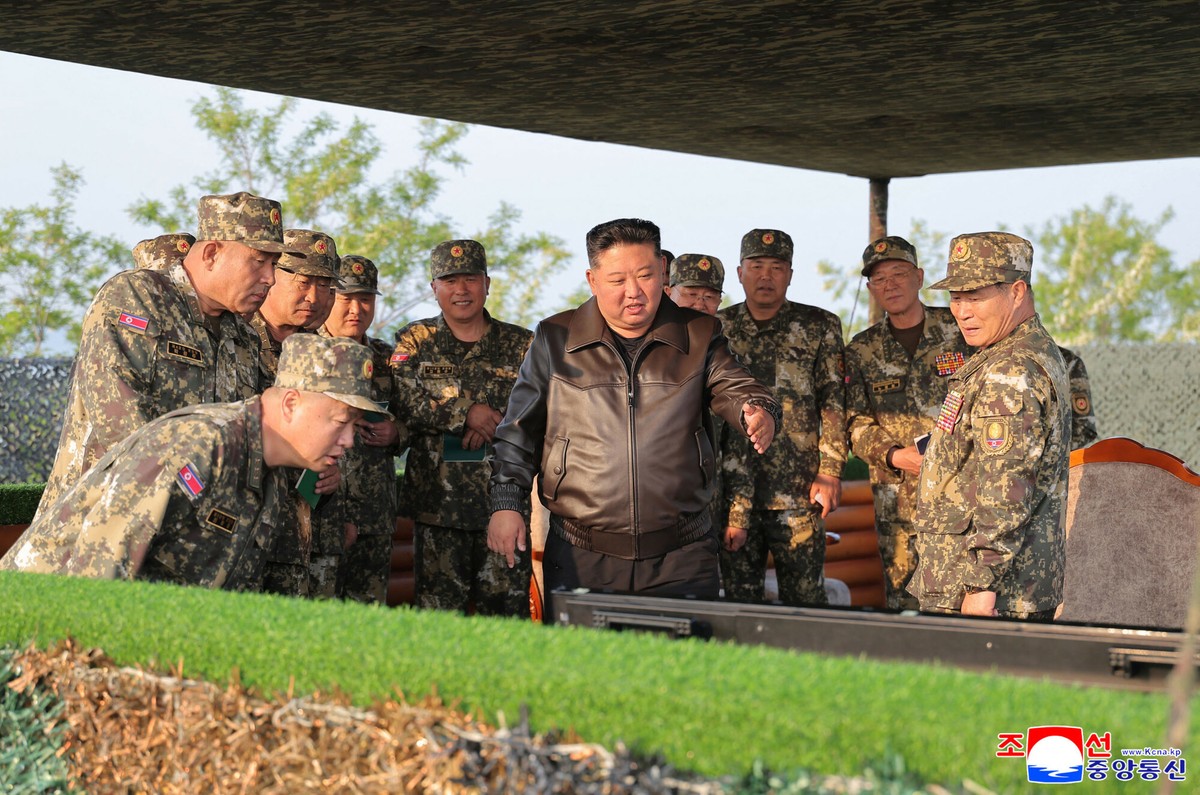
The North Korean government, struggling with the weight of international sanctions, has been introducing remote employees to companies in the United States and other countries for years, impersonating false or stolen identities to generate the income desperately necessary – say federal prosecutors, whom the American newspaper quotes.
“Using global demand for qualified technological employees and an increase in remote work, the North Korean regime found a way to circumvent the sanctions imposed by the UN and the United States for the nuclear weapon program,” reads in two acts of accusations revealed by the federal courts in Massachusetts and Georgia. Prosecutors emphasize that thanks to this practice, North Korea not only gets money, but also access to confidential information.
The problem is getting bigger
“Thousands of North Korean cyberagents have been trained and distributed by the regime to blend in with the global digital labor force,” said Leah Foley, Main Federal Prosecutor in Massachusetts, announcing the allegations on Monday. She described this threat as “both real and direct”.
On this day, American federal services carried out activities in 16 states to eliminate the entire net. Investigators occupied dozens of financial accounts and fake websites and searched the so -called “laptop farms”, which enabled North Korean operations remote access to computers transferred by companies to their remote employees.
In recent years, attempts to avoid sanctions by the Koreans from the north with the help of false identities are increasingly concerned. The Google Threat Intelligence Group report from April that this activity has been geographically expanded, especially to Europe
The American authorities warn against the described problem, at least since 2022, when the FBI together with state and treasury departments issued a warning to the international community about infiltration. The warning found that criminals working mainly in North Korea, China and Russia use a vast foreign net to gain work, especially in Europe and East Asia.