Israel evacuated its fleet to Cyprus and announced new repatriation flights, but with a limitation of the number of passengers to 50 people on board. Despite the tensions, the main routes between Europe and Asia remain open, although passengers must take into account delays. A similar situation applies to flights towards the Indian subcontinent.
As Rzeczpospolita writes, Most flights in the region were canceled at least until the end of June, and in some cases – until mid -July. Air Arabia went a step further and suspended the cruises not only to the Middle East, but also to Russia, Armenia, Azerbaijan and Georgia. Flydubai gave up flights to St. Petersburg until the end of the month. The flight suspended calls to Riyadh, and Wizz Air to Tel Aviv and Amman until September. Arab lines, which usually offered convenient transfers in the region, this time they do not accept transit passengers traveling to closed countries.
For 10 days, the situation has been unstable and it is not known when it will normalize – Iran has still not fully responded to Israeli and American attacks. Therefore, some lines – like Singapore Airlines or British Airways – have prevents connections to Dubai or Bahrain, although some of them have already returned to the schedules.
- Trump speaks after the attack in Iran. “Why should the regime not change?”
Delays and growing costs of carriers
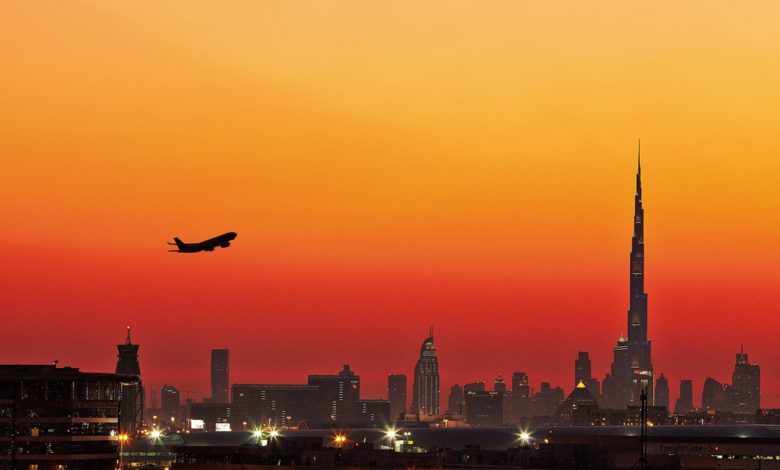
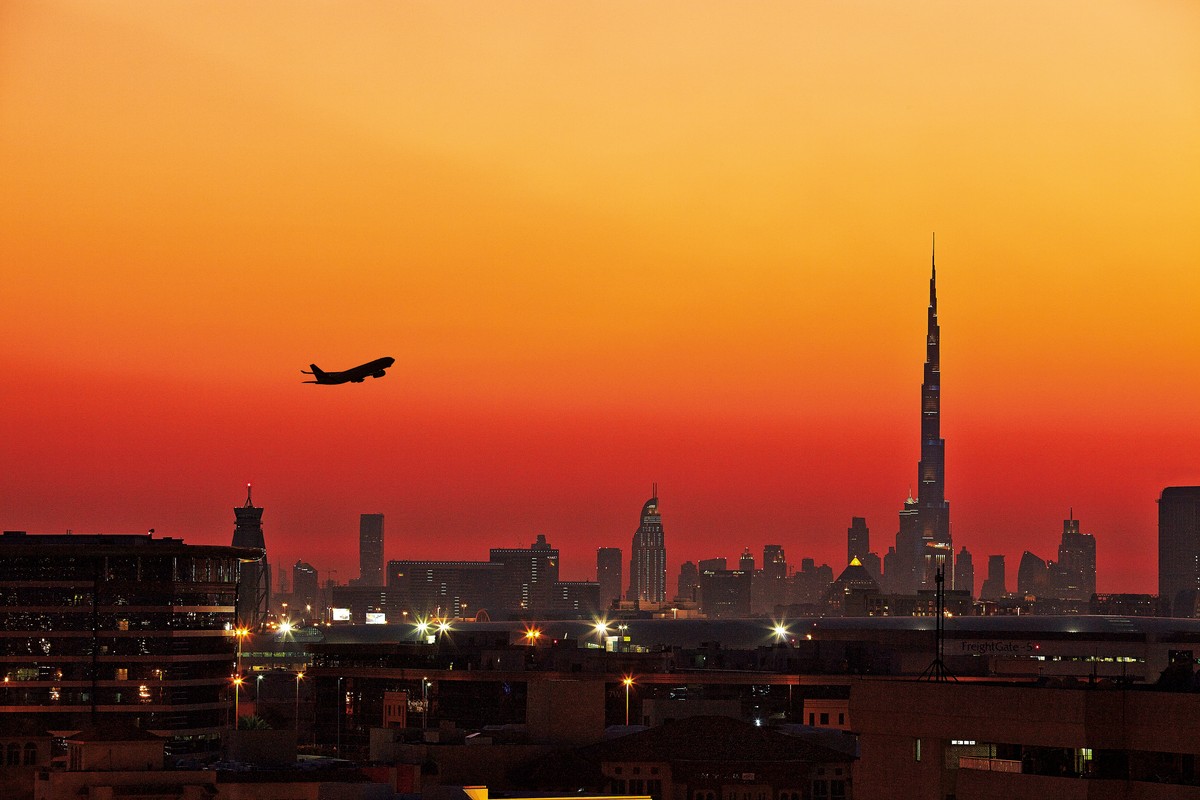
As Rzeczpospolita writes, Flights with transfers in Dubai, Dosze and Abu Dhabi are still possible, but delays are more frequent due to the need to use longer routes bypassing the conflict zones. The routes are marked out to ensure safety, but this means more fuel consumed, longer crew working time and machine rotations, which translates into costs increase. Ticket prices and the return of fuel subsidies can be expected.
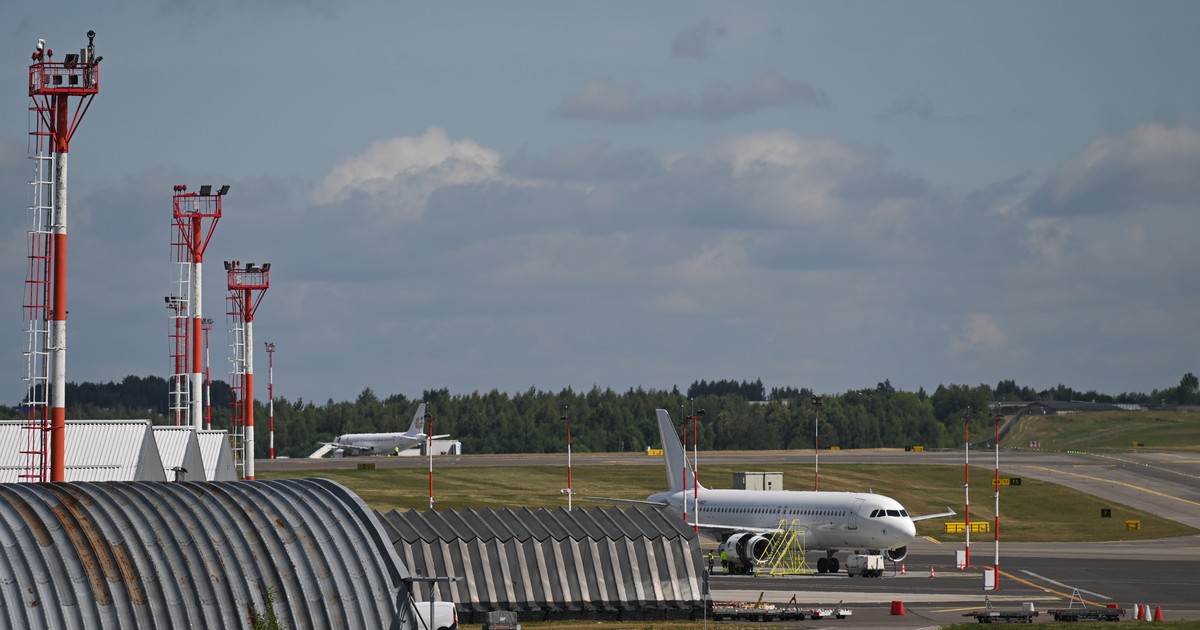
In addition, in the areas covered by the conflict – including in eastern Poland, the Baltic countries and on the border of India and Pakistan – pilots must face the risk of cyber attacks disrupting the GPS signal.
- Israel does not slow down the pace of the offensive. The next rockets fall on Iran
What should travelers watch for?
As Rzeczpospolita reminds, it is worth contacting the airline before traveling and make sure that the flight has not been canceled or shifted. You also need to ensure that the carrier has current contact details – this guarantees receiving information on time.
At airports, you should prepare for more detailed safety checks, so it's worth coming earlier. In the case of transfers in the Middle East, one should take into account the risk of deterioration of the situation, which can lead to additional delays and even closing borders.
As “Rzeczpospolita” advises, in such conditions travel insurance becomes very useful. However, it should be remembered that most policies do not include the effects of hostilities – and they are now becoming the main threat.