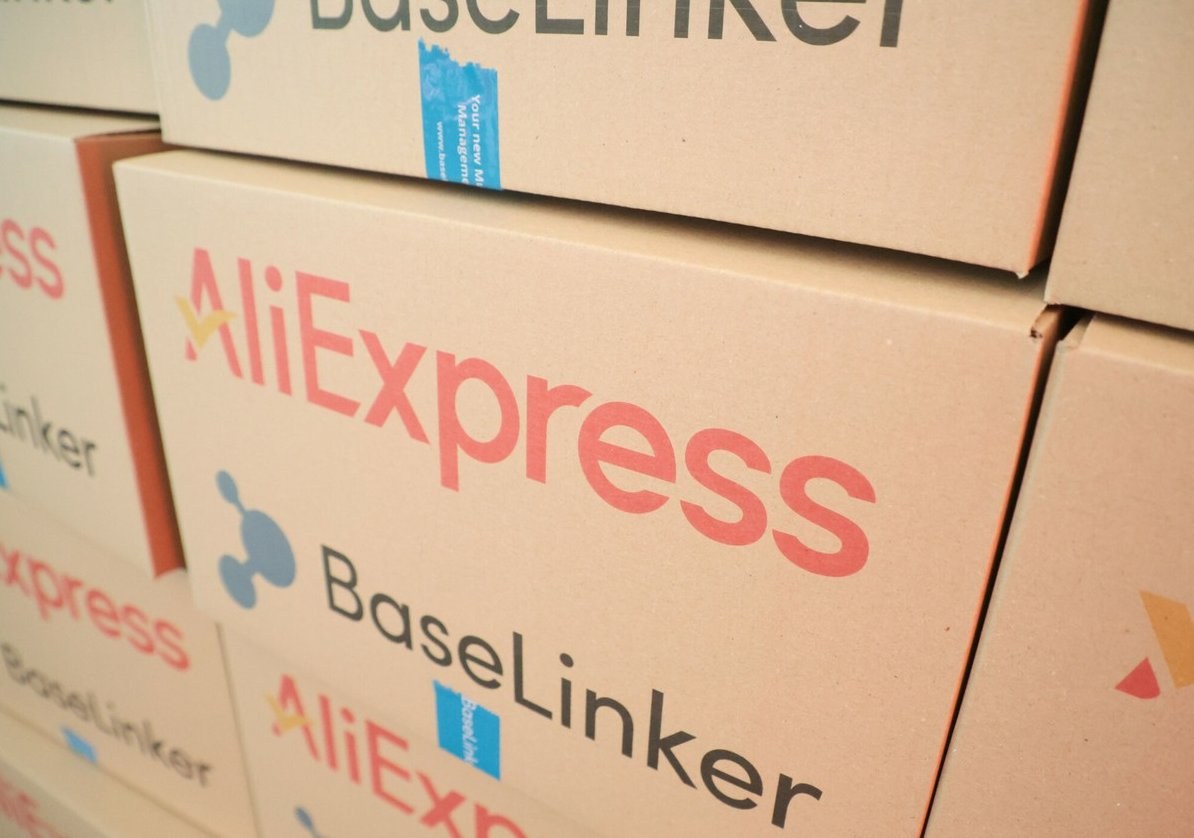
In recent years, Chinese online platforms have seen remarkable growth in Europe, largely due to the extremely low prices of their products. However, the European Union is now implementing new regulations by eliminating duty exemptions for shipments valued under €150 from outside the EU. European e-commerce platforms view this as a “welcome step.” This development raises questions about whether this will mark the end of exceptionally low prices for consumers.
Starting July, new rules will come into effect, removing the duty exemptions for low-value packages arriving from outside the EU. It is estimated that up to 91% of these packages are shipped from China, directly targeting platforms like Shein, Temu, and AliExpress that have rapidly gained popularity not just in Poland but across Europe.
New Tariffs for Chinese Packages
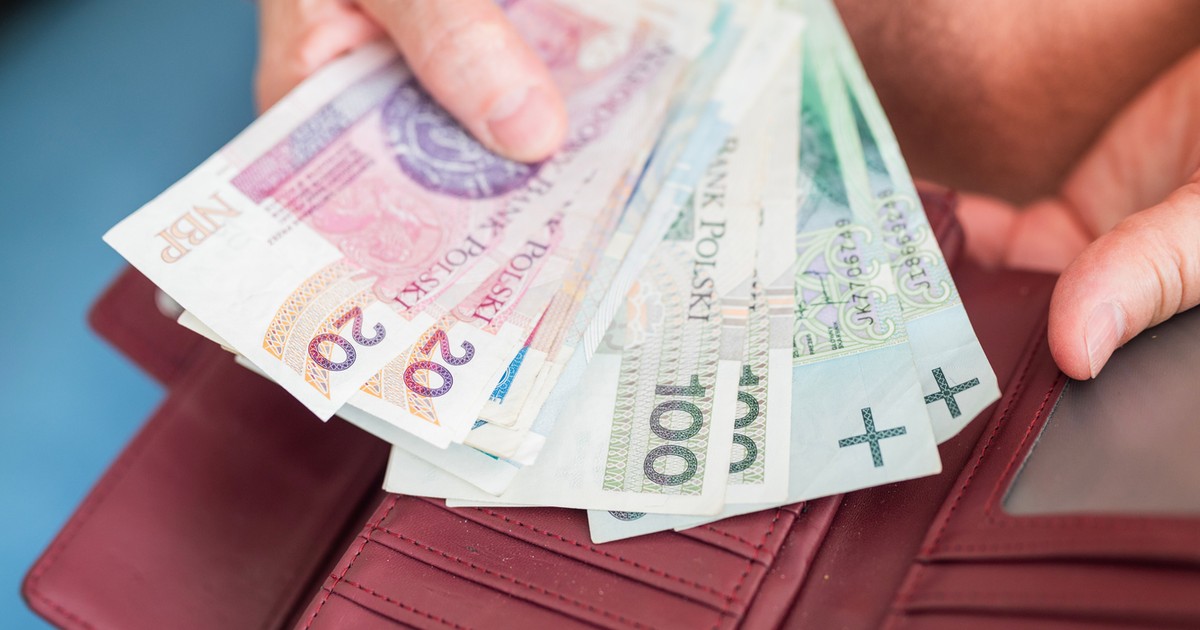
What changes can consumers expect? A new fixed fee of €3 (approximately 13 PLN) will be applied to each product category in a package. For instance, if a customer orders one package containing a shirt and two sweaters, customs duties would total €6, or nearly 26 PLN, as each item is treated as a separate category on the customs declaration.
Moreover, in November 2026, the EU is expected to introduce a handling fee to cover inspection costs. While the exact amount has yet to be determined, it is anticipated to be around €3 (about 13 PLN) per category of product. This could potentially raise the total additional fees for a package with a shirt and two sweaters to as much as €12 (approximately 51.50 PLN).
Given that some products from China cost just a few euros, these changes could lead to significant price increases for consumers shopping from Asia.
According to Marcin Gruszka, a spokesperson for Allegro, the introduction of a €3 fee on low-value shipments from outside the EU could help level the competitive landscape in Polish and European e-commerce, reducing the price advantages currently enjoyed by non-EU platforms exploiting gaps in the customs system.
The Chinese Shield
Will shipments from China really become that much more expensive? Industry insiders suggest that Asian platforms will likely adapt and that European regulators should prepare for a prolonged game of cat and mouse.
Gruszka warns of the real possibility that non-European players will modify their business models, for instance by establishing distribution centers within the EU. The company Shein is already expanding its warehouse presence in Poland, although it has yet to respond to inquiries regarding changes effective from July. Other Chinese firms have also been investing in logistics centers across Europe as part of their strategy to counter EU regulations. Industry experts believe that utilizing such facilities could help these platforms avoid paying part of the new fees.
The effectiveness of this “shield” will unfold in the coming months.
Additionally, platforms from China may employ various strategies to maintain their market position. Gruszka has expressed concerns that these businesses might increasingly rely on government subsidies from China. Some Chinese platforms are also localizing their offerings; for instance, Shein recently announced that around 300 Polish companies are now selling their products on its platform. While substantial, this number pales in comparison to the 1,200 brands available on Amazon.pl’s “Polish Brands” section, with even more on Allegro, and Zalando actively promoting “made in Poland” products.
European platforms largely support the imposition of tariffs on packages from China, but they emphasize that this issue is far from resolved.
According to Allegro’s spokesperson, the fee should be viewed as part of a broader reform. Effective enforcement of customs regulations and market oversight is crucial. It’s also important to note that the planned fee is not necessarily linked to the value of the contents of a package. This development is a positive start towards protecting European enterprises, but more comprehensive actions are needed to ensure fair competition based on uniform rules.
There are also numerous other challenges associated with packages from China that European platforms point out. Concerns about counterfeit goods and the “toxicity” of certain products have been raised, leading the EU to introduce increasingly stringent regulations. For example, on July 19, 2026, new EU eco-design regulations will take effect, prohibiting the destruction of unsold clothing. Instead of disposing of returns, Asian platforms will need to establish costly return logistics in Europe.
The pressure on these platforms is mounting. As one industry representative noted, “Will cheap packages from China come to an end? Yes. That moment will come, as it is unsustainable to sell items forever below their value.” The real question is whether these Asian platforms will significantly impact European businesses before that happens.
As Gruszka points out, “At the end of the day, it isn’t normal for a shipment from China to cost less than sending anything within the same city.”