The experience of a patient in Romania, after moving to the UK. Escaped the roads between the offices and the papers of the papers but came across waiting times and two years old

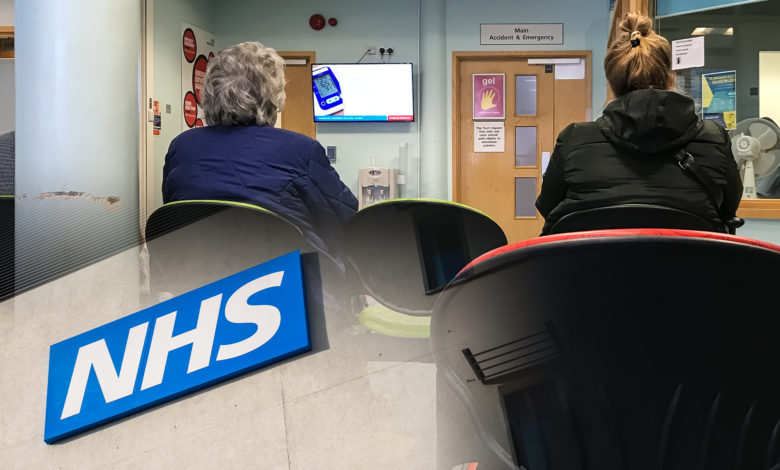
Ioana suffers from three autoimmune conditions, diabetes, hypertension, sleep apnea and asthma, and this complex pathology frequently brings it to the doctors of doctors, from several specializations. Moved for 8 years in the UK, the woman describes, for Hotnews, her experiences in the two, completely different medical systems.
- The Romanian has found in the UK a completely digitized system, where patients can easily make programming at consultations and analyzes directly from the application. And the medical files are in the system and can be accessed by each doctor with whom you come in contact.
- Family doctors have extensive skills, including analyzes, and this gets rid of patients from roads after references and between specialized offices.
- However, the woman tells that in the British system you cannot choose the doctor to go to, you have no access to the results of the analyzes only on request and with the doctor's agreement, and, most importantly, if you do not have an emergency, the waiting times for consultations reach one or even two years.
- British have become accustomed to it, and they don't protest, says Ioana. “The maximum thing that an upset British makes is to write a letter to” The Times “.
“The papers. This is what I remember, first of all, from Romania. Very long lost time, and the doctor, with the papers. The computer system goes, it does not work.
In the UK, however, Ioana found a completely digitalized medical system.
“Everything happens without too much walk from the patient from one side to the other. Everything goes through the family doctor, who has many skills. It is, rather, what we call in Romania an internal medicine. They treat a lot of pathology, investigate, the medical offices have their laboratories.”
Patients are not sent with a referral ticket to do your analysis. “Everything they can do, family doctors. They include tension monitoring and heart rate, they do not send you to the cardiologist. They have a x -ray device, they can do blood tests. The diagnostic part can do it without sending with presumptive diagnosis to the specialist,” she explains.
Schedules and recipes directly in the app
Because the health system is completely digitized, you can make an appointment to the doctor by an application, explains Ioana.
“There you can do an appointment with your family doctor, but also physiotherapy programming, which is an integrated part in family medicine. You do not have to go to the family doctor all the time to tell him that you have a joint or musculoskeletal pain and send you to the specialist. You can” send “yourself.”
In Romania, in order to reach a specialist doctor, you must first schedule the family doctor and then physically go to his office, to receive a referral ticket. With the referral ticket, you schedule the specialist.
The same thing happens if you need a drug prescription: you program and go to your family doctor. Sometimes your family doctor cannot write to you and refers to your specialist.
The patient generates his new recipe in the app
In the United Kingdom “if you have a prescription for medicines, being a chronic patient, you enter the app, a few days before your medicines are over, and you generate that prescription alone, which is sent directly to the pharmacy you choose. Then you go and raise the medicines from the pharmacy.”
The patient receives the drugs from the pharmacy ready compartmentalized in boxes. “This is what I have to take Monday morning, this is taking months at noon. Also because the system is completely digitized.”
The limits of telemedicine
Ioana says that she noticed that in the UK, compared to Romania, the patient is not walking, and telemedicine works very well. “That's a thing and good, and bad.”
“At one point, I had a gynecological consultation through telemedicine. I considered it time and wasted resources, because you can not do a distance consultation at a distance. They impose you in a polite way: you are told that the doctor has no two weeks only through telemedicine, and if you want to face, you must wait.”
You don't even choose your family doctor
When you are sent by the family doctor to a specialist doctor, you cannot choose your doctor. It is usually the first doctor who is available.
“Because everything is in an online, digitized system, there is no you want to do with doctor X, and that doctor to say:” I made my system allowed today, say 10 patients, but let's see one or two more. “Here the system does not let you see patients.
Patients can go to private clinics at any time, where they can choose their doctor, but the costs are very high. “In Romania, the private medical system is more accessible,” says Ioana.
In the UK, you can't even choose your family doctor.
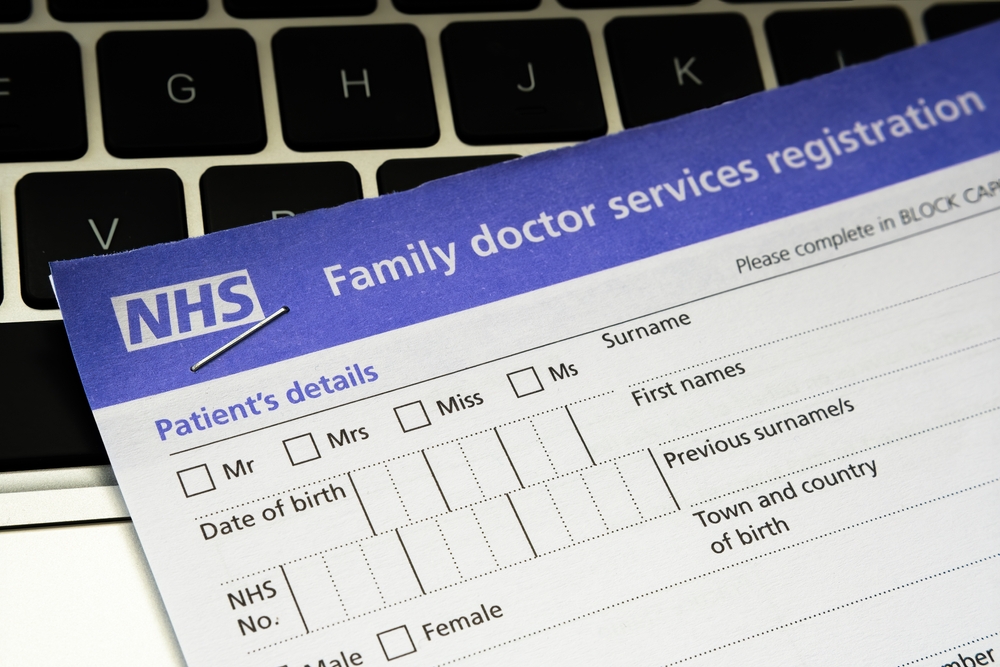
“They work as polyclinics, as a family medicine center, and you are automatically rounded up to the one in which you stay. At these family medicine centers, more doctors work and have including guard doctors who ensure, by rotation, emergencies. So if you have an emergency, you first present yourself here.”
Programming and emergency
If you want to go to the hospital to the emergency, it is preferable to go with programming, explains the Romanian.
“You have to call the Emergency Service and they make a triage: they can send the patient to be taken and to be brought to the hospital, but they announce the emergency service at the hospital.
The analyzes reach the doctor directly, the patient does not see them
Ioana recounts that when she arrived in the UK, the doctors were shocked when they saw her “walking with all medical documents in her arms.”
“They did not understand this concept. And they did not want to look on the file. He told me one of the doctors that he did not look on my medical file, on the grounds that he is a file in the third and he does not look at that,” she says.
In time he understood how the electronic file works there and how it can be accessed by any medical professional with which they interact.
“You do not have to be afraid that you have to go to do your analysis, take them from there or enter the website of the laboratory who did analyzes, download them, printe them, take them to the specialist doctor who recommended the analyzes. Everything is in the patient's electronic file.”
But in the UK, the patient does not have access to this file. Can only get it on request. “It is something they say do for the protection of the patient.”
“If you went to your family doctor, you did analyzes and you want to know the results, he tells you if they went well or not, but if you want to see the values and he knows you understand how to process that information, he tells you,” adds Ioana.
The doctor looked alone on analyzes, in the system
The British did not call the doctor to ask if the result of the analyzes came or if he has started to look at them.
“They receive them and they call you, if there is a problem. You are called from the reception and you are invited to come to the doctor to discuss the results of the analyzes. You can also call pro-active, ask if the results have come. But the digitized system forces them to look at the analyzes, when the results come. The family doctor has a lot of responsibility. to the specialist ”.
The patient may also require Second Opinion, but not by one. But it must be addressed to the doctor: “The specialist makes a report to the other specialist doctor, to whom you want to seek second opinion. He does not refuse, but these things last.”
Waiting times and two years old
Ioana also talks about the limitations of the digitized health system: “The health insurance system says that this year can settle a certain number of hip prosthesis interventions, for example, and that number is introduced there, in the digitalized system. Only so much is done. Even if more patients need. You can see them here.
The British are accustomed to these rules: they do not revolt, they do not protest: “The maximum thing that an upset British makes is to write a letter to The Times,” says Ioana.
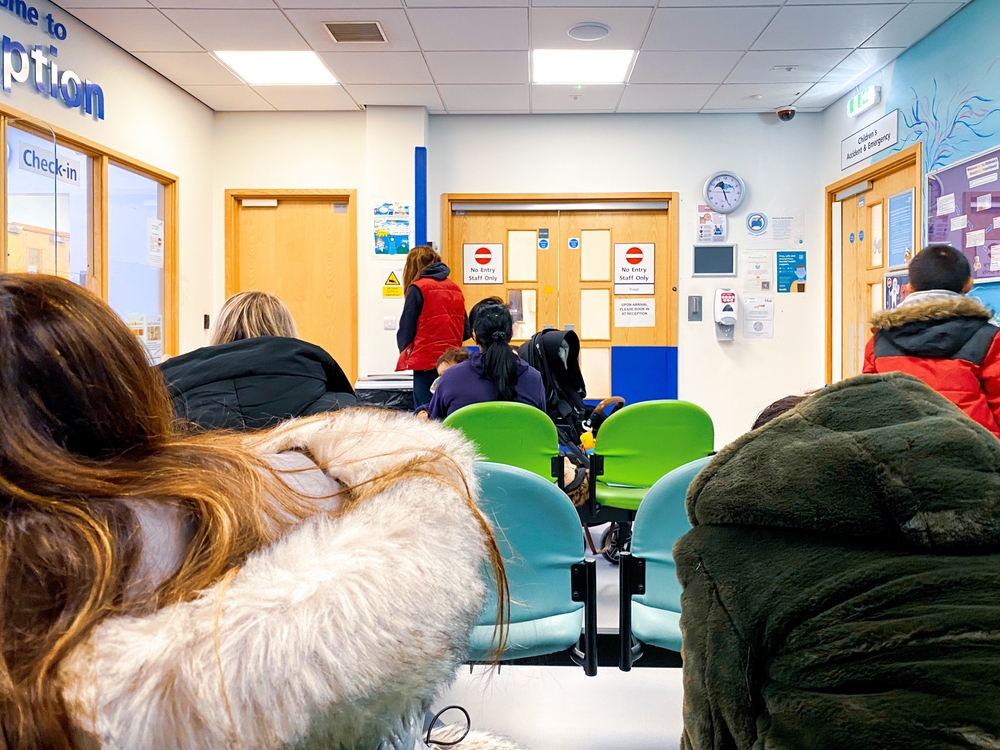
“The waiting times have arrived in the UK at 2 years and something. And this is an exception. There is no exception. Here, if it bleeds, it is urgency. If it has cancer it is no longer urgent. NHS (British health system) says that you have to see your doctor in a few weeks, if you have a cancer.
In fact, last year, an official government report concluded that the British health system is “in critical condition”, due to the austerity policies of 2010, which drastically reduced public expenses to reduce the budget deficit.
One of the problems is the crisis of medical staff. “The nurses have much more autonomy than in Romania – there are situations when the doctor does not even see you.
The system can send you to another region for MRI, where there is an earlier place
Ioana, however, tells a situation when the digitalized system helped her to do an MRI without waiting for a year until her turn was.
“This digitalized system tells you that in your area the waiting time is one year, but if you are willing to travel in another region, you can do it in a few weeks. If you opt, in the system, that you agree to go where the first place is available.”
And the programming for vaccination is done automatically and comes directly at home, by post: “You come home the programming: at the time, at the time, you are scheduled at the X vaccine. It automatically, depending on the age category, pathology, depending on the vaccination criteria.”
Also, you receive a notification or you are called for prevention analysis, monitoring analyzes: “Everything is put in the system. For example, I have to do certain analyzes from 6 to 6 weeks and they are there. The doctor just has to say that you need those analyzes from 6 to 6 weeks and enter the system. The results of the analyzes are sent directly to the doctor. ”
And the screening programs work similarly: “You get home for programming. They call you, you don't have to go and look for screening. And if you don't go from the first, I send you again.”
With the help of the digital system, the patient groups for each program are selected, says Ioana.
- Material made in the “Digitup” project carried out by the Center for Independent Journalism (CJI), with the support of the EDGE Institute.