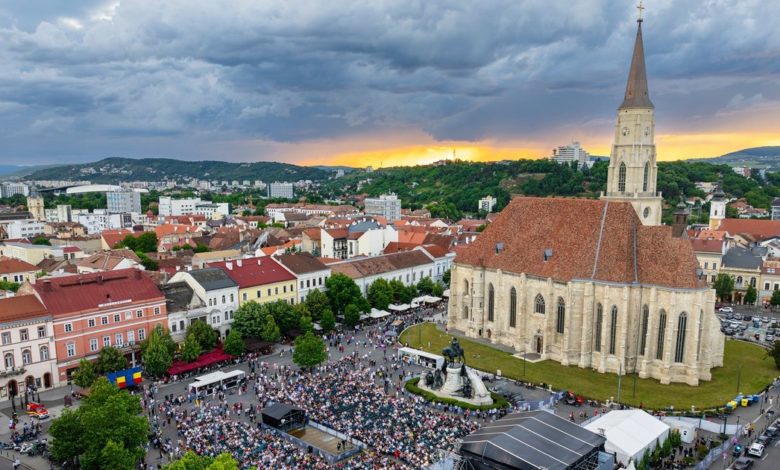
Located over 300 kilometers away, Cluj-Napoca and Timișoara attract tens of thousands of students annually and are considered two of the most important university centers in Romania. They are frequently compared by young people who want to start a new life here.
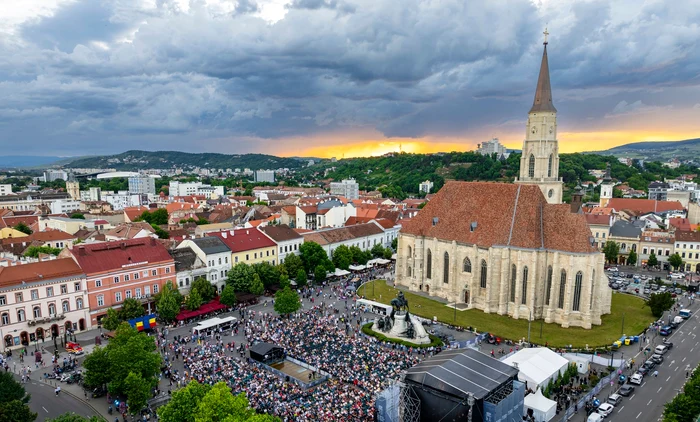
The historical center of Cluj Napoca. Photo: Cluj-Napoca City Hall. Facebook
For many young people, the comparison between Cluj-Napoca and Timișoara becomes inevitable, especially when they are going to enroll in college, or when they are looking for a job and are interested in the opportunities they offer.
Many Romanians came to live, for certain periods, in both cities and shared from their experiences, talking about the differences noted.
A young woman complained that, after ten years spent in Cluj-Napoca, she feels that the city does not match her. It caused the Romanians to tell about how they perceived the “capital of Transylvania” and how it compares with another regional “capital” Timisoara, the historical landmark of Banat.
The young woman said that she moved to Cluj from Timisoara to follow the university studies, but after a decade she felt that the adoptive city no longer offers her what she is looking for, which is why she is getting more and more serious about returning home.
“It was a beautiful time, but in recent years I started to feel that the city I did not offer. My childhood friends are in Timisoara, and those I have tied here either left or we see each other. I no longer feel the same vibe, and Cluj seems to me, for some time, overhyped (no-too praised), she wrote on the online platform.
Accessibility in Cluj-Napoca and Timișoara
This also noted that, in Timisoara, the rents and prices of the housing are more accessible than in Cluj-Napoca, and invited other Romanians to talk about the differences they have noticed between the two cities.
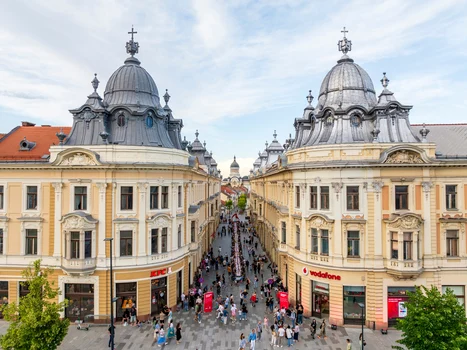
Image 1/10:
Cluj Napoca Photo City Hall Cluj Napoca Facebook JPG
“There are more from Cluj in Timisoara than Timisoara in Cluj. It's a sign, I say. In addition, three hours away you have Budapest or Belgrade, while from Cluj, in three hours, you do not get anywhere. At the minuses: you have no Untold and many flight options. Son as in Cluj, where I never understood why this attitude exists ”commented a young man.
Another Romanian mentioned that, although he has been living in Timisoara for several years, he sometimes feels the lack of mountains and hills, which in Cluj are much closer. Someone, moved for 15 years to Cluj-Napoca, believes that the city is ideal for cycling in nature.
“In Timișoara you have only the bank of Begăi and Timiș without cars. Instead, here, at 15 minutes, the bike is the forest, and at one hour you have mountains and lakes. But Timișoara is less crowded, with broader boulevards and lower prices”, he noted.
Cultural Life in Cluj-Napoca and Timișoara
A Timisoara moved to Cluj-Napoca is of the opinion that the differences in quality of life are not so big, but they notice some essentials.
“The rents are clearly smaller in Timișoara, the city is more accessible as a whole. The people in Timisoara are generally hotter and friendly. In Cluj they feel some cold. As for events, even if they are not as big as TIFF, Untold, Electric Castle or Sports Festival, there are enough. Go voluntarily to paint the old houses in the Banat villages), you can find everything ”, says this.
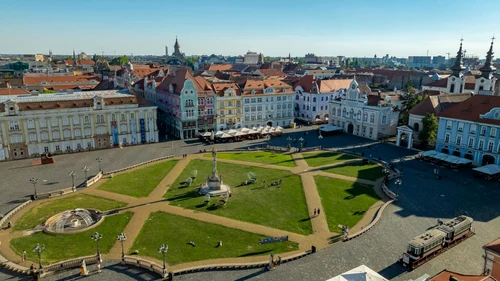
Image 1/11:
Timisoara Photo Timișoara City Hall Facebook 9 JPG
Another Romanian, established for 26 years in Timisoara, tells that the city offers many options for spending free time.
“You have art cinema such as Victoria, Timiș and Studio, where European films run and festivals take place. The night life is not the most active, but there is, and considering that summer comes, and the parties are coming. City, that you discover all kinds of places. she says.
“In Cluj, how summer comes, how the life of the city ends, once the students leave”, Note someone else.
The city of contrasts
A Romanian who lived 13 years in Cluj-Napoca and then moved to Timișoara describes the city of Banat as one of the contrasts, with very beautiful areas (the center), but also unoccupied neighborhoods (Fabric, Iosefin).
Instead, he says, Cluj-Napoca is more homogeneous, but without having areas to stand out, and with a chaotic development in the villages Florești and Apahida.
“Timișoara remained behind with the neighboring neighborhoods, which looks worse, usually. The old city part is much larger and much more developed in Timisoara. In Cluj, for comparison, it seems like a former small town. In Timisoara there are many impressive palaces, while in Cluj you count on the fingers, there are many buildings. Timișoara many buildings are in comparison, especially in Fabric and Iosefin, while in Cluj it does not look so bleak – but they are still renovated, there are few in the center ”he adds.
The Romanian has found some things to appreciate in each of the two cities.
“Better parts in Timișoara: the center-it's all pedestrian, you walk on several streets, from one market to another and there are only terraces. It is usually very crowded on the weekend; much more people than in Cluj, in the center. Much more park (but you have Budapest closer to Timișoara), closer to the mountain, to areas with cottages (if you like) ”, Write this.
Another Romanian who lived in both localities took into account that Timisoara has German and Serbian influences, being the capital of Banat and a multicultural region. Instead, he adds, Cluj-Napoca has a strong Hungarian influence, both through the local community and by the large number of Hungarian students coming from other regions.
“I do not know if this is necessarily a plus or a minus-it is simply different. Personally, I have a lot of friends who have introduced me to all kinds of cultural experiences: from Hungarian Opera, to the Mera Festival, to restaurants where, in the kitchen, they are often Hungarians. Maybe that is the food from Cluj, but also more healthy, but even more healthy”he writes.
Big rents in Cluj-Napoca
Someone else notices the big difference in rents and the purchase prices of the apartments.
“Although the airport in Timisoara has fewer available flights, you still have Belgrade and Budapest, which seems to me an advantage,” add it.
Cluj-Napoca seems more careful and has the nature closer, a better airport, better equipped hospitals, better rated faculties and better paid jobs, a Romanian moved here.
“Even Timișoara is not very bad in these chapters. However, the biggest difference is at the price of rents, apartments and houses. Timisoara still seems more convenient for a young man who starts in life, from a financial point of view, although here it is expected that the prices will increase in time.he says.
“Timișoara is a city where you feel like you are living, and Cluj-Napoca has become suffocating”, He supports another Romanian, who lived both in Timisoara and Cluj-Napoca.