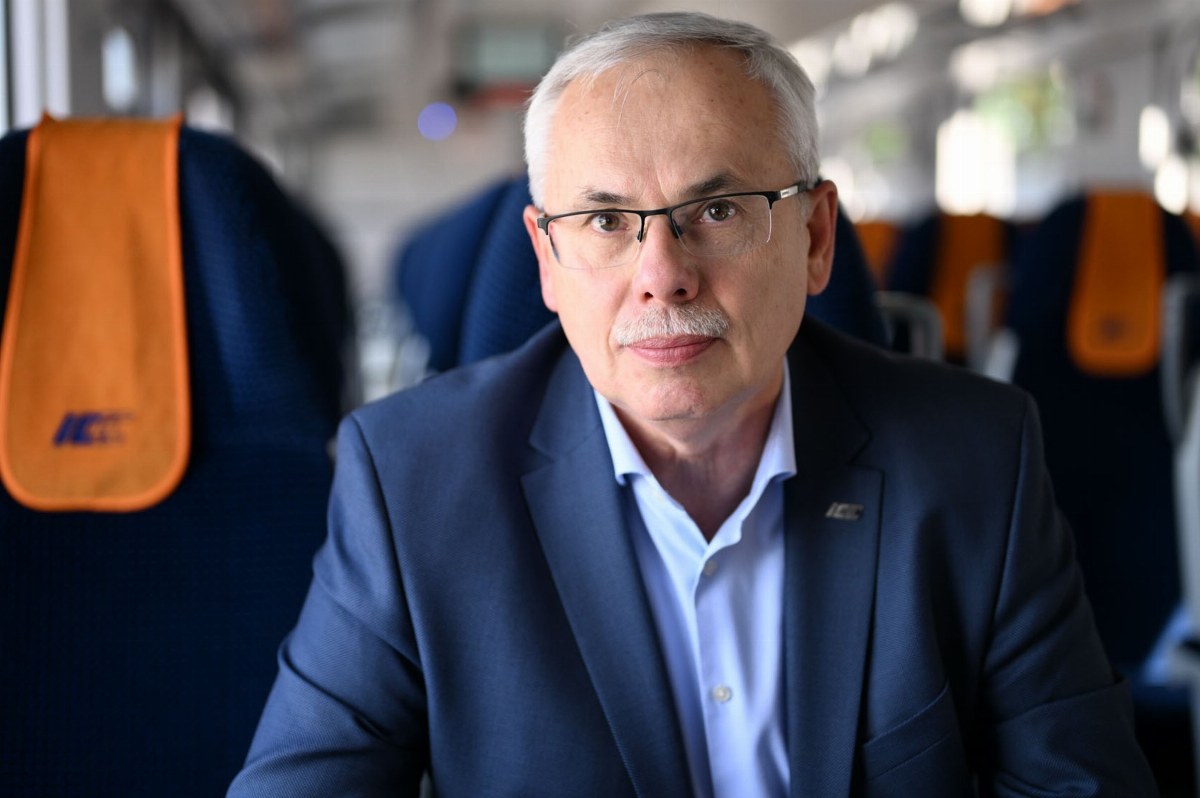
PKP Intercity is celebrating its 25th anniversary during a period marked by unprecedented interest in train travel. Janusz Malinowski, the CEO of PKP Intercity, highlighted the remarkable transformation the company has undergone since its inception.
Reflecting on the past, Malinowski noted that in 2002, PKP Intercity transported 8.9 million passengers, a figure that is projected to reach 89 million by 2025. The workforce has also expanded, from around 1,500 employees to over 10,000 today. The scale of operations has significantly increased, with passengers now experiencing much shorter journey times, such as approximately 2.5 hours from Gdańsk to Warsaw.
Amid these developments, PKP Intercity is embarking on an ambitious investment program valued at nearly 28 billion PLN. This initiative aims to enhance the travel experience for passengers by introducing more modern trains and carriages. Starting next year, hybrid trains, capable of operating on both electrified and non-electrified tracks, will enter service. This innovation is expected to streamline operations and enable more direct routes.
The investment will include acquiring 206 modern Griffin locomotives from Newag, some of which will facilitate international connections. Additionally, PKP Intercity has ordered 300 new carriages from H. Cegielski, with an option to expand the contract for 150 more. Among these, 38 will be dining cars, and others will cater to passengers with disabilities and those traveling with bicycles.
One of the most anticipated elements of this expansion is the order of 42 double-decker Pendolino trains, with an option for an additional 30. These trains, set to launch in 2029, will accommodate over 550 passengers, with two trains in tandem transporting more than 1,100 individuals. Malinowski believes that these new trains will significantly enhance capacity on the busiest routes, potentially accounting for one-third of PKP Intercity’s seating supply.
Malinowski also elaborated on the hybrid trains, explaining their capability to run on diverse tracks, which eliminates the need for locomotive changes and thus reduces travel times. PKP Intercity has ordered 35 hybrid trains, with the first 16 set to be operational by the end of 2027, serving routes such as the reinstated Łomża-Warsaw connection after over 30 years.
To support the growing fleet, the company is simultaneously investing in technical facilities. A new maintenance facility in Przemyśl is nearing completion, and contracts for additional facilities in Białystok and Lublin are anticipated soon. Major upgrades are underway in workshops located in Warsaw, Łódź, Kraków, and Gdynia, addressing long-standing infrastructure gaps in eastern Poland.
The prospect of high-speed rail is also on the horizon. Currently, PKP Intercity is conducting nightly tests on the Central Railway Main Line at speeds of 250 km/h. The company aims to reduce travel time between Warsaw and Kraków or Katowice to under two hours by autumn next year. However, achieving greater speeds will necessitate infrastructure expansion, particularly at major railway junctions in cities like Warsaw, Wrocław, and Kraków.
Looking ahead, PKP Intercity plans to introduce hourly high-speed services to Wrocław and Poznań, with Łódź benefiting from half-hour connections. The service will also extend to Szczecin and Berlin every two hours, eventually reaching high-speed operations on primary routes at 30-minute intervals.
International connections have also seen significant growth, with PKP Intercity increasing its foreign routes from 32 to 57, and soon to 59. The introduction of the Baltic Express, linking the Polish coast with Prague, has been particularly successful. Future plans involve operating high-speed trains on international routes to cities such as Berlin, Cologne, Amsterdam, and potentially Paris, positioning PKP Intercity as a competitor to low-cost airlines.
As part of its modernization efforts, PKP Intercity is investing in digital solutions, aiming to enhance customer experience by enabling passengers to manage their travel via mobile devices and improving onboard internet access.
As PKP Intercity looks to the future, Malinowski is confident that the company will be well-prepared for continued growth over the next 25 years, with high-speed rail and modern double-decker trains leading the way in reducing travel times across Poland and enhancing international connectivity.