Orlen and billionaire Michał Sołowow are struggling to secure the necessary funding for licensing fees related to their small modular reactor (SMR) project in Włocławek, Poland. The situation has escalated, putting the future of Orlen Synthos Green Energy (OSGE) at risk. A decision regarding the project’s fate is expected today.
OSGE must pay license fees for the SMR technology to Sołowow’s company by the end of August. However, OSGE currently lacks the funds and requires a loan from its shareholders. Alternatively, Sołowow may agree to extend the payment deadline for his stake in the company.
As the deadline approaches, industry insiders warn that failing to meet financial obligations could lead to OSGE’s insolvency, potentially resulting in its dissolution.
Ongoing Negotiations
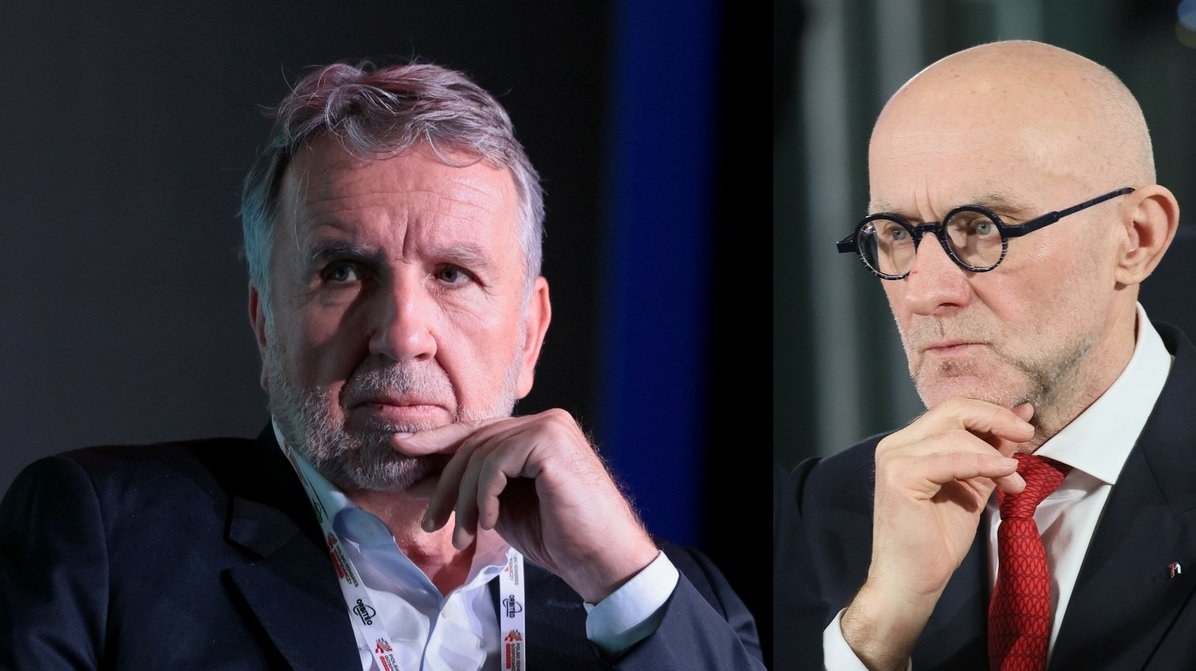
A year ago, OSGE’s shareholders reached a consensus on the company’s operations. Recently, tensions have flared between Orlen and Sołowow, with both sides exchanging pointed criticisms. In May, Orlen’s CEO Ireneusz Fąfara stated that the company expects its partner to “earn with us, not off us.”
Sołowow has similarly criticized Orlen for its sluggishness and lack of commitment to the SMR initiative.
Since the leadership transition at Orlen, the management has insisted that the terms of cooperation with Sołowow’s Synthos Green Energy need to be clarified, claiming that existing agreements, established under former CEO Daniel Obajtek, are unacceptable.
Reports indicate that Orlen is willing to inject capital into OSGE but seeks control over the special purpose vehicle (SPV) responsible for constructing the first SMR in Włocławek. Sołowow, however, prefers to resolve the loan issue before connecting it to the control of the project.
The licensing agreement focuses on the design standard for the American BWRX-300 small reactor. Orlen has opted not to invest in this standard design, leading to the signing of a licensing contract within OSGE.
OSGE is reportedly on the brink of fulfilling its licensing fee obligations, with discussions about extending the payment deadline underway.
The length of these negotiations, which have been ongoing for nearly a year, is attributed to Orlen’s management style. Previous negotiations took almost two years to finalize, highlighting the drawn-out nature of the current talks.
Włocławek: The Center of Negotiations
The immediate cause of OSGE’s financial troubles is linked to the construction of the first SMR in Włocławek, designed to support Orlen’s chemical business there, particularly the Anwil company.
The SMR represents a significant financial opportunity for Orlen, which could save between €120 million and €220 million annually due to EU emissions trading regulations.
Negotiations have persisted for months between Orlen and Sołowow’s representatives.
Insiders indicate that the discussions are unlikely to conclude by the end of August, suggesting that Sołowow may have to extend the deadline for OSGE’s licensing payments.
Włocławek is pivotal as it is set to become the location of Poland’s first small nuclear reactor, primarily benefiting Anwil.
Orlen seeks substantial influence over the SPV constructing the Włocławek SMR, initially aiming for an 80% stake to ensure operational control and oversight of expenditures.
Following the construction of the Włocławek SMR, plans for a second reactor are already in motion, potentially located near Oświęcim at Synthos’ facilities.
The first execution of such a project will be the most costly, as contractors and engineers typically learn from initial implementations, making subsequent projects more efficient.
Orlen insists on having a tangible impact on the SPV running the Włocławek project and requires clarity on how funds will be utilized, especially as this venture will entail billions in investments over the coming years.
The management proposes solutions to safeguard the interests of both OSGE shareholders. Orlen’s managers would have decisive influence over the Włocławek SMR, while Synthos’ managers would oversee their projects.
Stringent monitoring by Orlen’s safety and anti-corruption divisions emphasizes the need for strict financial control in this billion-zloty venture. Recently appointed to Orlen’s board was Paweł Wojtunik, former head of the Central Anti-Corruption Bureau, who also joined the OSGE supervisory board.
Michał Sołowow’s Move
Orlen is reportedly unwilling to concede on negotiations concerning the SPV that will build the Włocławek reactor, placing the onus on Sołowow to act.
Sources suggest that the only viable option now is to postpone licensing fee payments, which is likely to happen soon.
The situation is critical; Orlen’s continued involvement with Sołowow hinges on real control over the project company responsible for the Włocławek SMR.
Orlen has outlined two essential conditions for advancing negotiations: securing state financial interests and ensuring oversight of funding for the reactor’s construction.
A second condition involves unrestricted access to technology provider GE Vernova Hitachi Nuclear Energy.
Who Believes in Small Nuclear?
Michał Sołowow has long been a proponent of GVH’s technology and has exclusive rights to develop these SMRs across Central and Eastern Europe, including in countries such as Germany and the UK.
In early July, Synthos Green Energy announced plans to build a fleet of 14 small reactors in the UK, following earlier agreements in Hungary regarding SMRs.
Sołowow is also collaborating with global giants like Samsung C&T to advance the project.
However, tensions with Orlen’s CEO Fąfara, who directly oversees the SMR initiative, remain high.
Orlen has been approached for comments regarding the licensing fees and its position on financing OSGE, as well as the implications of a potential impasse between shareholders.
The company asserts its commitment to SMR technology as a vital component of its energy transition strategy and recognizes its potential application in Poland.