So far, the extension of the sanctions freeze has been cyclical, so required further decisions. Now the assets are to remain immobilized “as long as needed”, without six-month votes.
In practice, this reduces the risk that Hungary or Slovakia, which maintain better relations with Moscow than most EU countries, they could one day block the extension and force the money back to Russia.
This change also has a very specific financial goal. It should facilitate the launch of a planned loan for Ukraine of up to EUR 165 billion for 2026–2027, which would finance both the military and civilian needs of Kiev.
The next part below the video:
Ukraine receives support from the EU
An important element of the mechanism is that Ukraine would repay it only when Russia pays reparations. In other words, the loan would act like a grant, anticipating future reparations.
However, in the background there remains the problem of Belgium, on whose territory Euroclear operates – the entity storing most of the frozen assets, approximately EUR 185 billion. Brussels is to expect strong guarantees from other EU governments that in the event of lawsuits from Moscow, Belgium will not be left alone with the costs of possible claims. European Commissioner for the Economy Valdis Dombrovskis argued that “solid guarantees are being prepared”and Denmark, holding the rotating presidency of the EU, admitted that some concerns still needed to be addressed before the summit.
Read also: Successful Ukrainian attacks on Russian targets. This will disrupt arms supplies
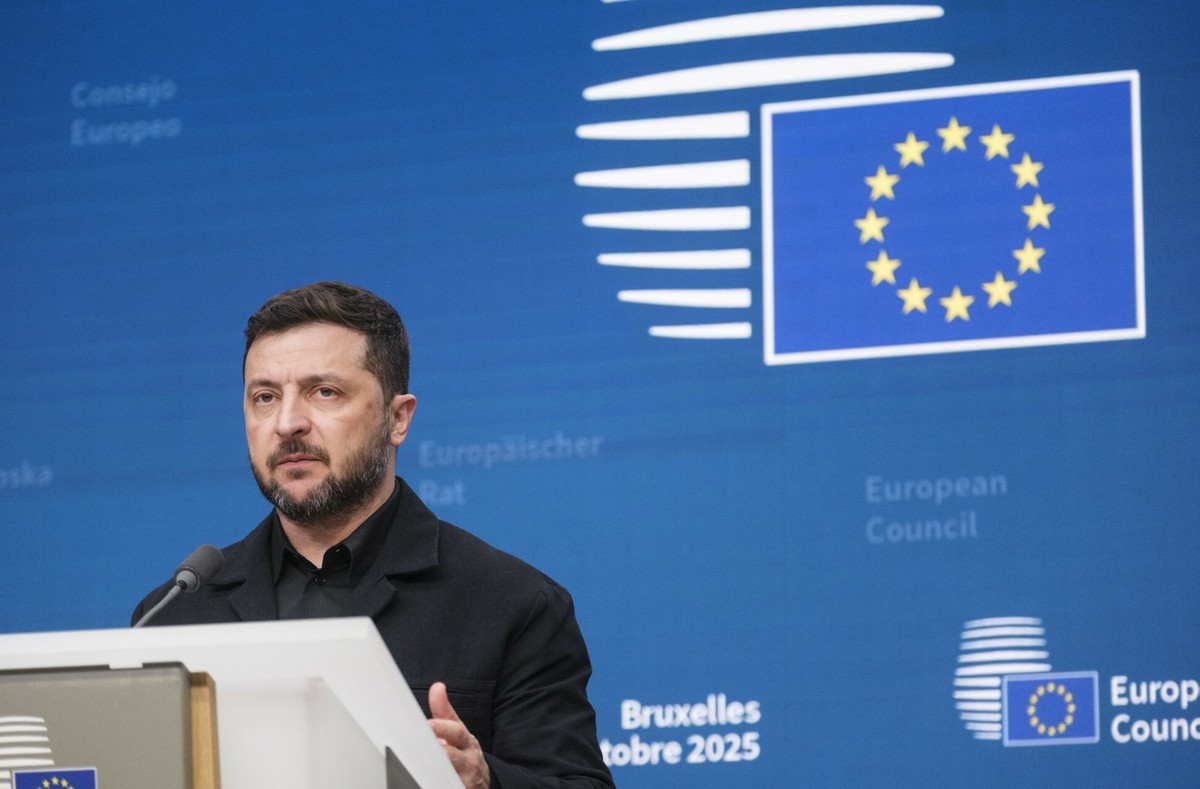
The political finalization of details is expected to take place on December 18, when the leaders of EU countries meet within the European Council. Just before that, on Monday, Ukrainian President Volodymyr Zelensky is scheduled to talk in Berlin with German Chancellor Friedrich Merz, and other European, EU and NATO leaders are also expected to join the talks.
According to European diplomatic sources, Germany they see no alternative to a reparation loan and would provide as much as EUR 50 billion in guarantees.
Moscow reacts nervously
The head of the Hungarian government, Viktor Orbán, warned that the indefinite freeze, adopted by a qualified majority, would cause “irreversible damage” to the EU and announced actions to “restore the lawful situation”.
In turn, the Russian central bank declared the EU plans illegal, reserved the right to defend its interests by all means and announced that it was suing Euroclear in a Moscow court, claiming that the depositary's actions impaired its ability to dispose of funds and securities.
Check also: Viktor Orban defends Russia and attacks the EU. It was a high-profile issue
Euroclear has previously been the target of Russian lawsuits following the EU's asset freeze in 2022.
On the margins of this dispute, there are political speculations about the future of Ukraine. According to recent reports The date of Ukraine's potential entry into the EU, January 1, 2027, is to be included in talks on ending the war, although European diplomats describe such a schedule as extremely difficult or even unrealistic. For Brussels, however, the priority remains a more down-to-earth timeline: providing Ukraine with money when it needs it most, while preventing European unity on sanctions from being tested every six months.