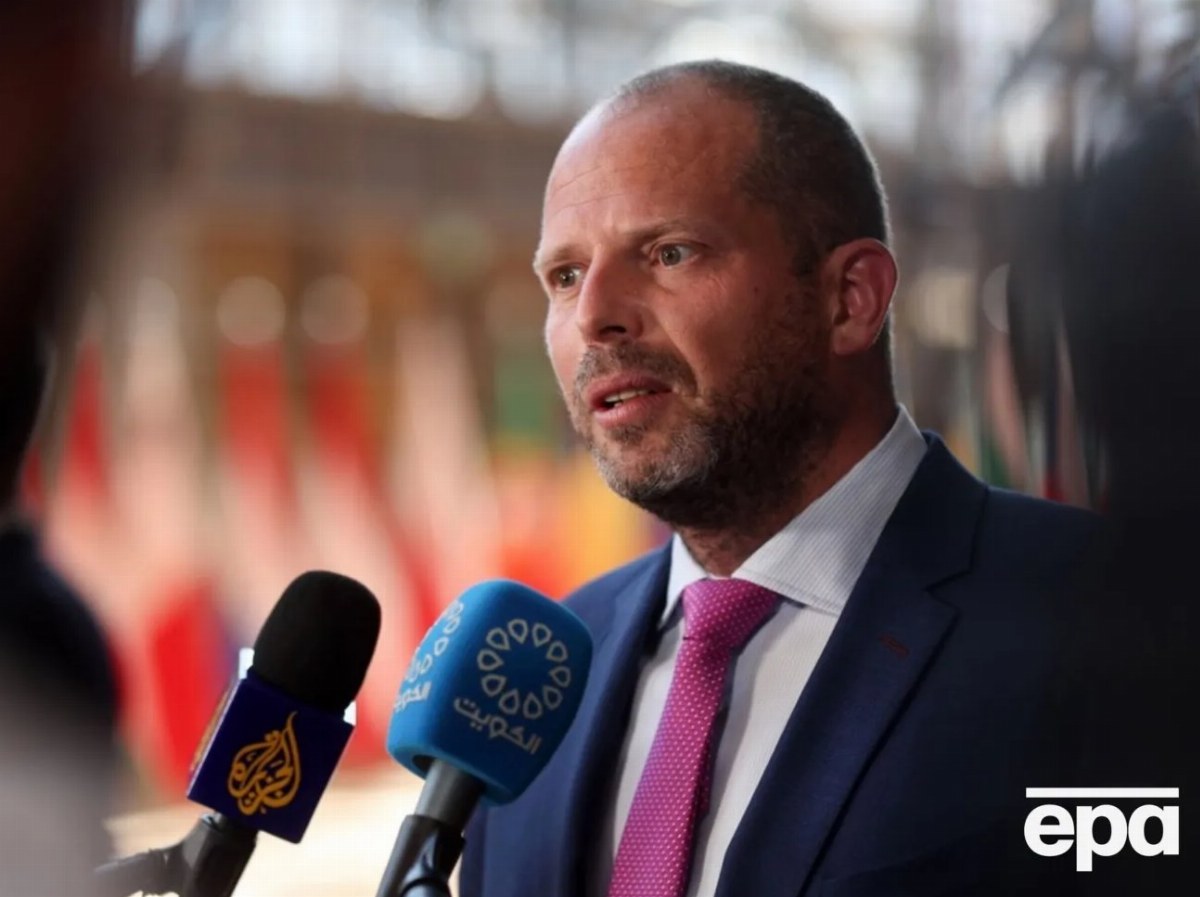
Belgium’s defense minister asserts the country’s stance on frozen Russian assets remains unchanged
Belgium’s Defense Minister Ludivine Dedonder has reiterated that the country will not change its position regarding the use of frozen Russian assets to support Ukraine. This declaration comes in response to a joint letter from Sweden, Poland, the Netherlands, and Spain urging the European Commission to revive plans for utilizing approximately €200 billion in frozen Russian assets.
Most of these funds are held in Belgium’s Euroclear depository. “This is not up for discussion; the doors are closed,” stated Dedonder firmly.
Earlier, Belgian Prime Minister Bart De Wever expressed his opposition to the idea of granting Ukraine a “reparations loan” of €210 billion, arguing that it could expose Belgium to legal sanctions from Russia.
Dedonder emphasized that De Wever’s stance remains firm, and he criticized the Baltic states, who are noted for their strong support of the reparations loan, for their insistence on pursuing this idea.
“They should also be more cautious in continually raising this issue and cornering us. I do not consider this wise,” Dedonder remarked, underscoring that Lithuania, Latvia, and Estonia receive substantial support from Belgium.
Throughout 2024–2025, Ukraine’s allies discussed the potential use of frozen Russian assets for the country’s post-war recovery. However, disagreements, particularly due to Belgium’s blocking stance, led G7 nations to decide to use the interest accrued from these frozen assets—estimated at around $50 billion annually—as loans for Ukraine.
Additionally, the European Council indicated that the EU reserves the right to utilize Russian assets to settle debts if Russia refuses to compensate Ukraine for the damages caused by the war.