France's loan costs increased after the sovereign rating is relegated. And that's not the only bad news


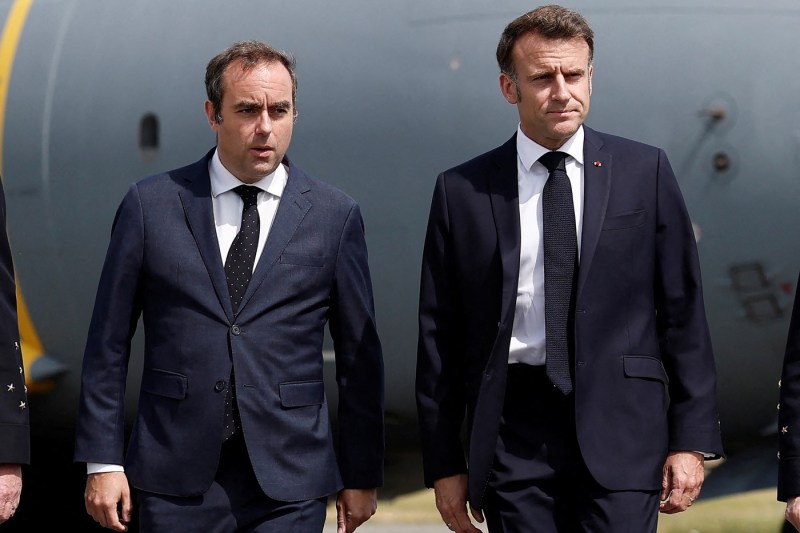
Sebastien Lecornu and Emmanuel Macron. Photo credit: Benoit Tessier / AFP / Profimedia
The yields of the French bonds climbed Monday, following the Fitch decision to relegate the country's credit rating from “AA-” to “A+”, with a stable perspective, CNBC reports.
The agency invoked the high and increasing level of public debt and warned that “political fragmentation” blocks fiscal strengthening.
The efficiency of the 10 -year government bonds initially increased by 7 basic points, to 3.51%, and that of the 30 -year -old securities climbed by 8 points, to 4.33%. Subsequently, the yields stabilized, a sign that the markets were already anticipating a relegation after the collapse of the government led by François Bayrou, following a vote of mistrust.
President Emmanuel Macron was rapidly appointed Prime Minister Sébastien Lecorn, the fifth head of government in less than two years. However, Lecornu faces the same challenges: the opposition to the discounts of expenses and tax increases meant to reduce the budget deficit.
Fitch estimates a deficit of 5.5% of GDP in 2025, decreasing from 5.8% in 2024, but still above the average of the euro area, forecast to 2.7%.
The Agency stipulates that the public debt of France will climb to 121% of GDP in 2027, from 113.2% in 2024, without clear stabilization prospects.
Analysts warn that Fitch relegation could be just the beginning. Moody's is about to publish a new evaluation on October 24, and Standard & Poor's on November 28.
“The French sovereign obligations are already traded at levels compatible with multiple relegations,” ING analysts said, adding that investors are watching carefully if Lecornu can convince the National Assembly to accept a fiscal consolidation program.
For now, the new prime minister has tried to calm political tensions, giving up the plan of his predecessor to eliminate two legal free days.
However, the protests and strikes supported by the unions continue, with new demonstrations announced for Thursday.
ING stressed that France's situation does not risk, at least for the moment, to trigger a new crisis in the euro area. (News.ro)