Service providers have started to build their infrastructure around the customer's schedule, not the other way around

Just a few years ago, many services operated on their own schedule, and it was the customers who had to adapt. If you were waiting for a package, you organized your day according to the time the courier could arrive. For certain banking operations you had to go to the branch during business hours. If you had an electric car, charging depended on the availability of a public station.
Today, things are changing radically. The package can be picked up when you have time. Banking services are also available outside branch hours. The electric car can be charged at home when it is most convenient and inexpensive for the owner.
It is not an overnight change, nor is it one that pertains to a single economic sector. It is the result of continuous investments in infrastructure and technology, through which companies try to respond to an increasingly clear demand from consumers: the freedom to access services when they need them.
“We are seeing a clear shift in user expectations. People want services available when they need them, and companies are increasingly investing in infrastructure that can provide this flexibility. We are just there, alongside these companies, to provide them with the solutions they need“, says Elena Turda, CEO of KEBA Romania.
KEBA has been present on the local market for 20 years and provides automation solutions for banking, logistics and electric vehicle charging infrastructure, areas where changes in consumer behavior are increasingly visible. In recent years, the demand for this type of product has exploded.
The package is waiting for you, you are not waiting for the courier
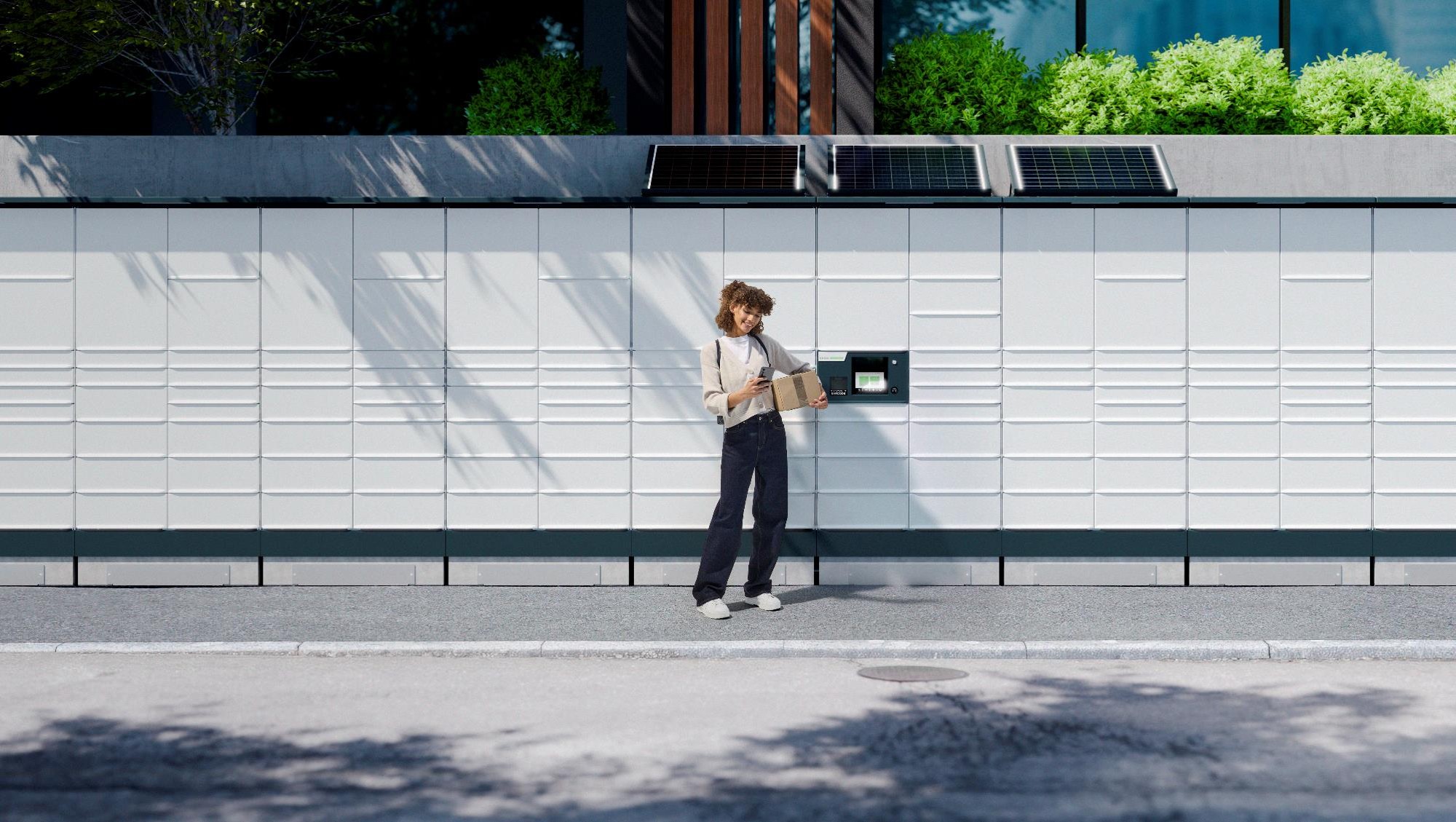
Few transformations are more visible than those in the delivery area. If in the past receiving a package required coordination with the courier's schedule, today more and more Romanians choose to pick up their orders when it's convenient for them.
Automated lockers have fundamentally changed the delivery experience. They offer access to packages at almost any time, without the pressure of being home by a certain time or rescheduling a missed delivery.
As online commerce has grown, so has the infrastructure that supports it. KEBA is one of the main suppliers of this market, with over 5,000 lockers installed in Romania and collaborations with the largest operators in the industry.
The bank is open 24/7
The change is not only seen in logistics. And people's relationship with banking has changed significantly in recent years.
Customers expect to be able to perform transactions when they need them, without being conditioned by a branch's schedule. As a result, more and more activities are being transferred to self-service areas that are always available.
An example is represented by cash recycler ATMs, which allow both withdrawal and deposit of cash, reducing the time required for routine operations and providing access to services outside the classic bank schedule.
KEBA is one of the main suppliers of this technology in Romania, with approximately 700 cash recycler units installed in the branch networks of several banking institutions.
Charging station directly to you in the garage
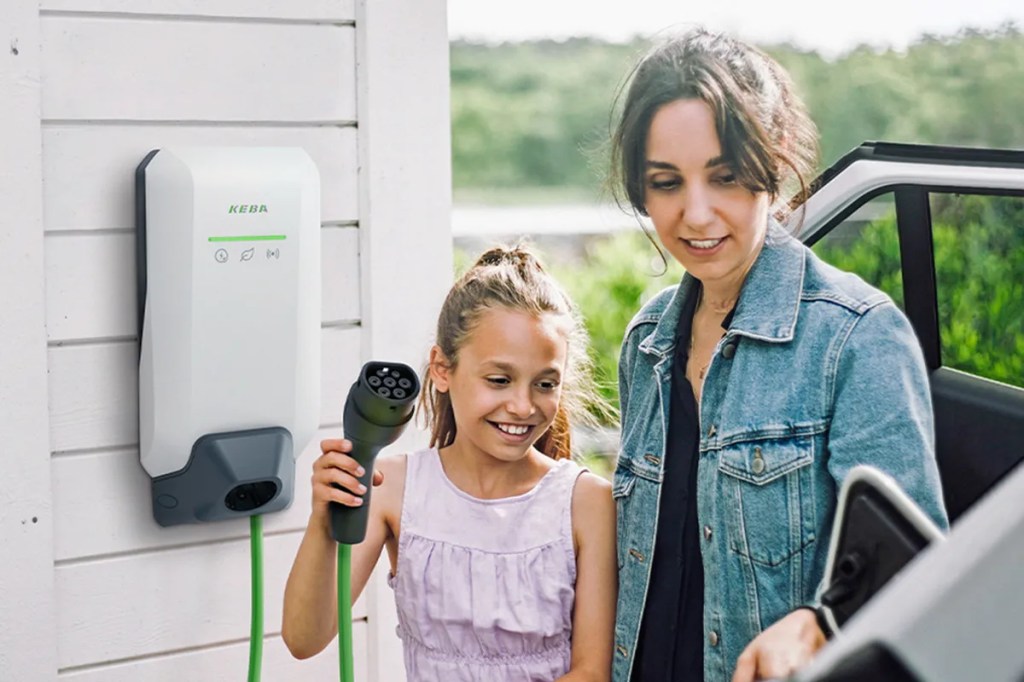
The same trend can be observed in the case of electric mobility. As the number of electric and plug-in hybrid cars increases, owners are looking for more control over how and when they charge their vehicles.
For those who live at home, charging at home means independence from the availability of a public station, the possibility to charge the car overnight and, in many cases, cost optimization by using energy in the more advantageous tariff ranges. For more and more owners who have also invested in photovoltaic panels, this also means the possibility of powering the car with energy produced by your own home.
In this context, charging infrastructure is starting to become an integrated part of the home, just as internet connection or smart home systems have become standard in recent years.
KEBA sees this market as one of the most important development directions for the next period, as electric mobility expands in Romania as well.
Although they operate in different industries, all these transformations have one element in common: time. Consumers want services that adapt to their schedule, not the other way around. And companies are investing more and more in the infrastructure that can meet this expectation.
Without realizing it, millions of people already use the results of this transformation every day: when they pick up a package from the locker, when they deposit money at a modern ATM or when they charge their electric car at home. Behind these seemingly simple gestures is an infrastructure built to provide something that has become increasingly valuable: the freedom to choose when and how you access a service.
This year, KEBA marks 20 years of presence in Romania and in the region of Central and Eastern Europe. All this time, the company has contributed to the development of technologies that have gradually entered people's daily lives, from ATMs and automatic lockers to charging stations for electric cars. If two decades ago many of these solutions seemed like a prospect for the future, today they have become a natural part of the infrastructure that millions of people use every day.
Article supported by KEBA