Polish Power Grids (PSE) have been regularly turning off some RES installations for several years now – especially on sunny spring and summer weekends, when the demand for energy is lower than on working days. The growing power of renewable sources means that on such days it is not possible to use all the surplus green electricity. This was also the case during the long weekend between June 4 and 7, when negative energy prices appeared on the Polish Power Exchange, especially after 12 p.m.
The rest of the article below the video:
- Orlen and Synthos are negotiating the future of small nuclear reactors
The situation returned to normal
According to PSE data, on June 4, reductions in the operation of PV installations started at 8 a.m. and lasted until 7 p.m. The largest reduction occurred after 10 a.m., when installations with a total capacity of over 2.4 GW were turned off. The reduction above 2.2 GW lasted until 4 p.m., and then gradually decreased. June 5, being a working day, brought higher energy demand, which means that there were no negative prices or the need to reduce RES capacity. However, the situation repeated itself on Saturday, June 6, when PSE ordered the shutdown of PV installations with a total capacity of over 1.7 GW. On Sunday, June 7, the shutdowns lasted from 7 a.m. to 6 p.m., and after 3 p.m. installations with a capacity of nearly 2 GW were turned off. On Monday, June 8, there were no longer negative prices due to the beginning of the working week.
- Germany will miss an important deadline. “Does not fit the current situation”
For comparison, the total capacity of all photovoltaic installations in Poland at the end of March was nearly 26.5 GW.
The operator decides to make shutdowns when the amount of energy in the network exceeds the current demand. First, PSE limits the operation of coal and gas power plants and launches emergency energy exports. If this is not enough, they issue an order to turn off some wind or solar farms to avoid destabilizing the system. Owners of disabled installations are entitled to compensation, but the amount is small and based on energy prices during the shutdown hours.
We are wasting green energy
The cost of such decisions is lost, unproduced green energy. The lack of large-scale energy storage and appropriate price signals means that these situations will continue to occur. According to the Energy Forum, by the end of May this year, nearly 0.9 TWh of energy was not produced for this reason, and in the whole of 2025 it was about 1.4 TWh. For comparison, gross electricity consumption in 2025 amounted to 175.2 TWh.
The high power of the disabled installations causes energy prices on the spot market (next day delivery) to drop below zero – especially on weekends. The largest price drop was recorded on June 6 after 4:15 p.m., when the price in a 15-minute cycle was close to minus PLN 100 per MWh.
- Gold hasn't been this cheap for a long time. This is another month of declines
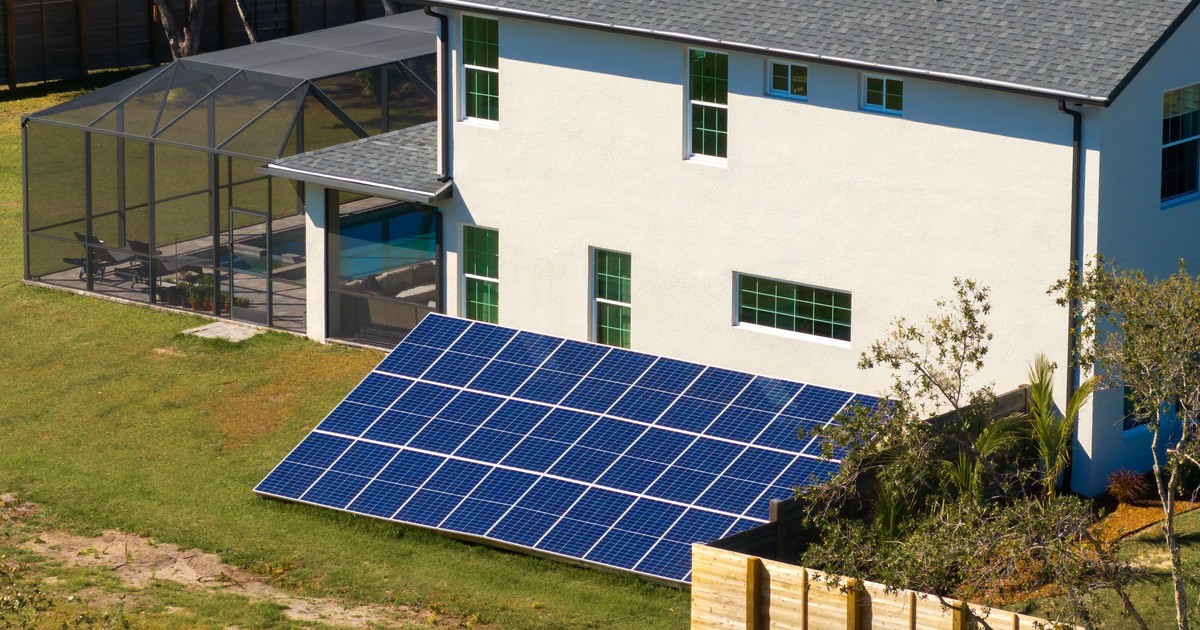
Negative prices occur when there are no customers for all the energy produced. Producers prefer to sell energy even at a negative price rather than incur the costs of shutting down and restarting the installation. Negative prices on the wholesale market do not translate into the bills of most customers who settle accounts under long-term contracts. However, they are important for prosumers with installations launched after April 1, 2022, who are settled in the net-billing system, where surplus energy is sold to the network at exchange prices. In the case of low or negative prices, the situation of such owners is less favorable than that of people using the older net-metering system, where settlement is based on the compensation of energy delivered and consumed.
There are currently approximately 1.6 million home photovoltaics owners in Poland.