Russia is stirring the pot in Eastern Europe again. Ukrainian intelligence warns. “All this to ensure that the forces are ready for military escalation”
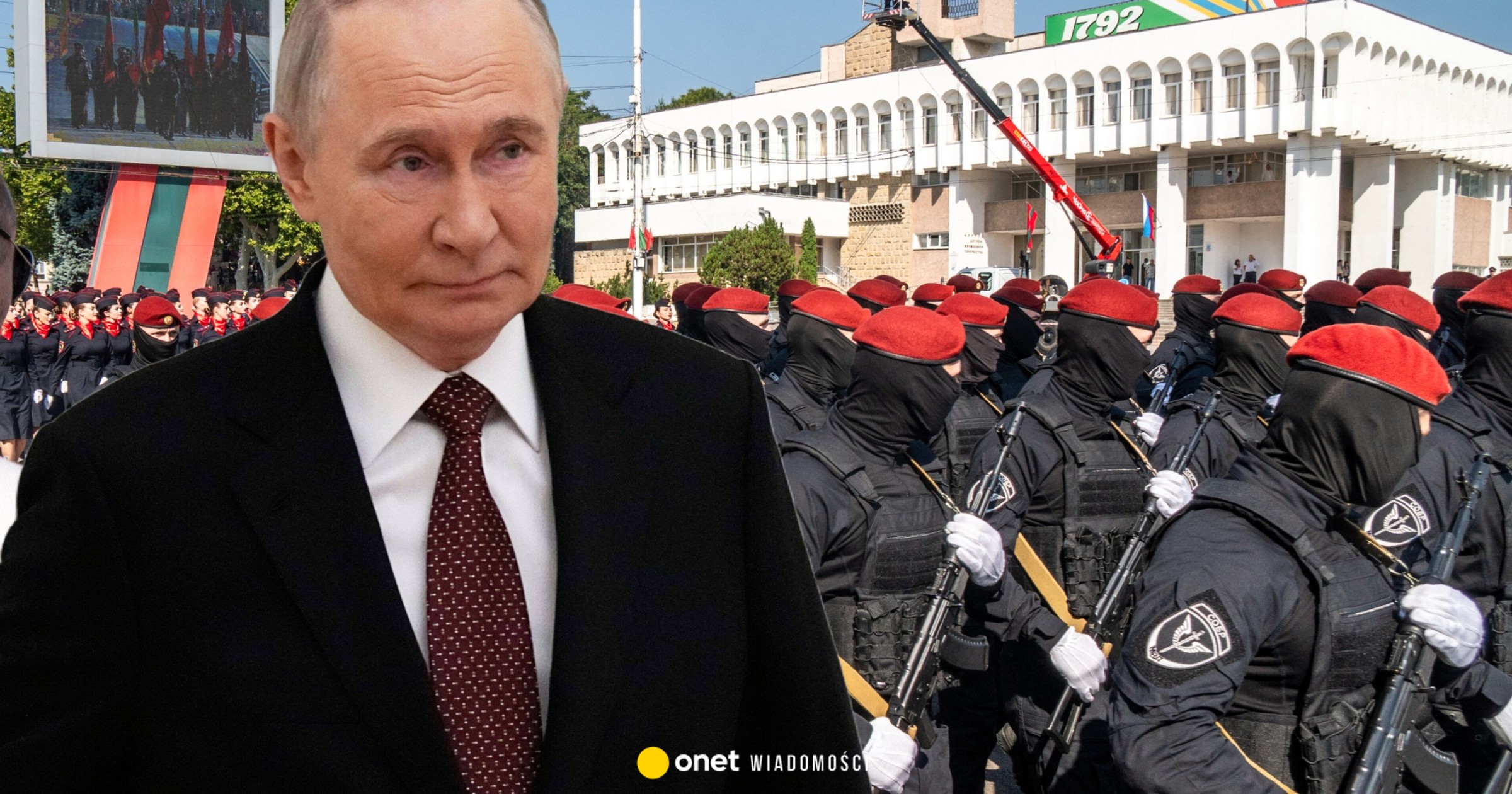
Russia is intensifying its military activities and covert operations in Transnistria, a region of Moldova controlled by pro-Russian authorities. Ukraine's military intelligence (HUR) describes these actions as an attempt initiated by the Kremlin to open a new front of pressure on Ukraine and at the same time destabilize Moldova before important political events.
According to information provided to the Kyiv Post by sources in HUR, in the so-called In the Transnistrian Republic of Moldova, the authorities have significantly tightened mobilization procedures.
Russia is tinkering more and more boldly with Transnistria. Ukrainian intelligence warns that the Kremlin is opening a new front of pressure — aimed simultaneously at Moldova and Ukraine.
Reservists are again called to report to local armed formations, often urgently, and weapons and equipment that had previously been lying in storage for years are being pulled out of warehouses. All this – as the interview emphasizes – points to preparations to increase combat readinessand perhaps even more decisive action in the future.
The intelligence estimates that all these actions by the Kremlin are aimed at increasing the Russian presence in Transnistria, which Moscow has been using for years to cause chaos in Moldova and build tension along the border with the southern regions of Ukraine. This raises the risk that sabotage groups may try break into the territory of Ukraine.
To achieve its goals, Moscow sends secret service agents to Transnistria. Their task is to fuel the crisis, sow chaos through information operations, carry out provocations and organize acts of sabotage.
— an anonymous source told the Kyiv Post.
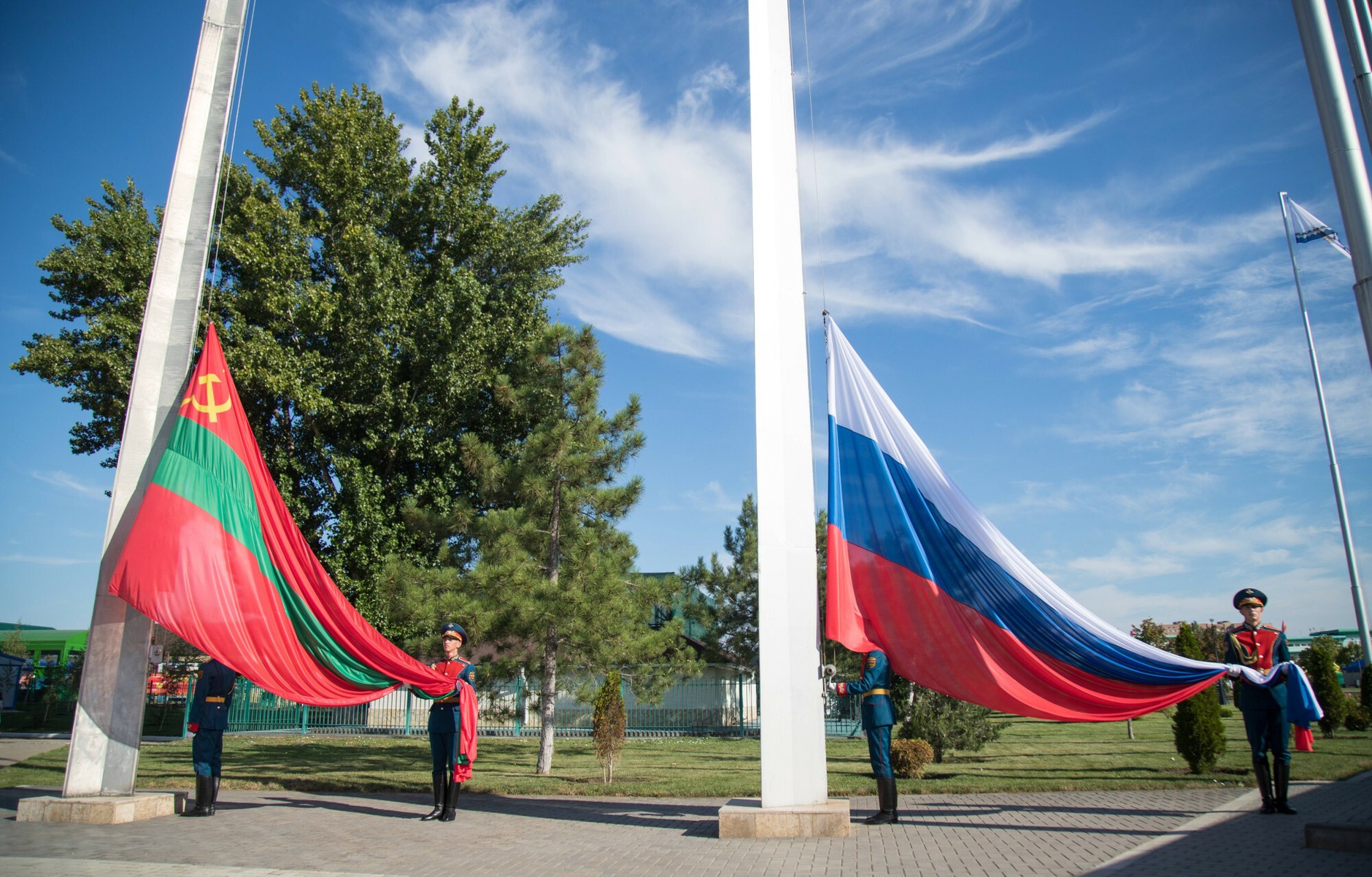
Republic Day in Transnistria, Moldova, September 2, 2025.IMAGO/Artem Kulekin/Imago Stock and People/East News / East News
The Kremlin is preparing the ground
After Gazprom stopped gas deliveries to Transnistria in early 2025, the region avoided total collapse only because Moldova allowed Moldovagaz to supply the necessary volumes of gas to the enclave, HUR reported.
According to Ukrainian intelligence, the Kremlin's current actions in Transnistria are the beginning of a new Russian hybrid operation, related to the “presidential elections” planned for 2026.
The aim of this operation, according to HUR, is to make Tiraspol dependent on free Russian gas again, as well as to strengthen the position of pro-Russian leaders.
— Russia aims primarily to restore Tiraspol's access to free Russian gas, improve the image of pro-Russian leaders and secretly increase its own military contingent in Transnistria.
All this so that at the moment deemed appropriate by the Kremlin, all gathered forces and resources will be ready for military escalation
– claims one of the anonymous sources from HUR.
A separatist enclave under Russian tutelage
Transnistria — Moldova's pro-Russian separatist region — has existed as a Moscow-backed “quasi-republic” since the collapse of the USSR in 1991-1992.
In 1991–1992, Moldova fought an unsuccessful war in an attempt to prevent the Russian-speaking region of Transnistria from breaking away. The conflict ended in failure mainly because the Russian armed forces stationed there supported the separatists.
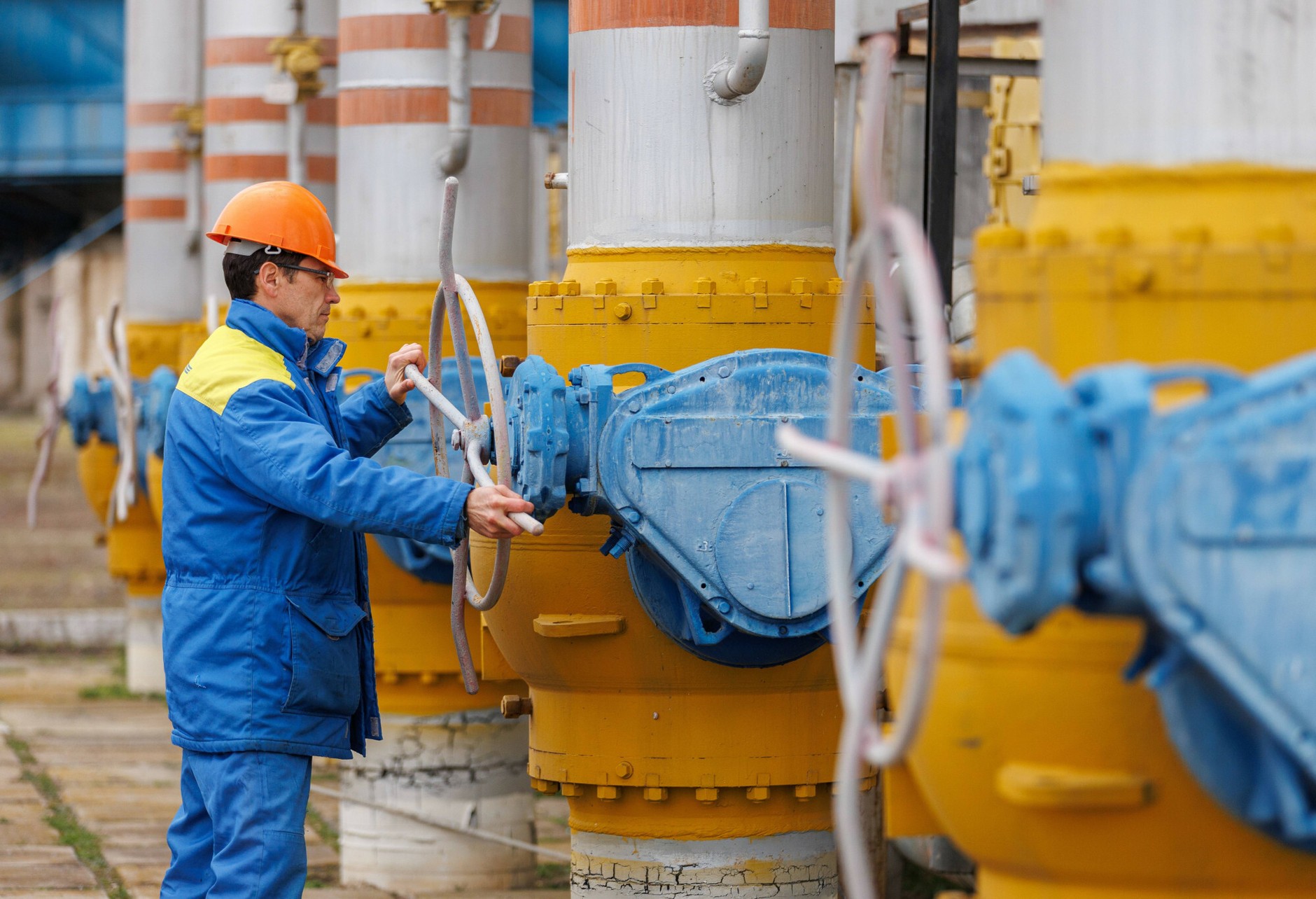
An employee of the Tiraspoltransgaz compressor station after the resumption of gas supplies to the region after a month-long break, Transnistria region, February 4, 2025.IMAGO/Artem Kulekin/Imago Stock and People/East News / East News
The subsequent ceasefire agreement allowed Russian “peacekeepers” to remain on the territory, but in November 1999, then-Russian President Boris Yeltsin signed a commitment in Istanbul to withdraw all Russian troops by December 31, 2002 at the latest.
The agreement was also signed by the delegations of Moldova, Transnistria, Ukraine and the Organization for Security and Co-operation in Europe, with the EU and the US acting as observers.
Since then, Russia has withdrawn only a small amount of obsolete military equipment from the enclave. Despite the expiry of the deadline, the Kremlin maintains that its troops must remain in Transnistria “for the stability of the region.”
Transnistria has a population of approximately 470,000. residents who rely heavily on Russian funds – which are supposed to cover approximately 70 percent. local authorities' expenses. Russian energy subsidies in the form of cheap gas have been keeping inefficient post-Soviet industries alive for years, such as metallurgy and machinery production – especially since their sales market is largely the European Union.
When Ukraine cut off Russian gas supplies to Transnistria in 2024, Moscow began to compensate for this shortfall by sending direct humanitarian aid to the inhabitants.
I’m Ashley Davis as an editor, I’m committed to upholding the highest standards of integrity and accuracy in every piece we publish. My work is driven by curiosity, a passion for truth, and a belief that journalism plays a crucial role in shaping public discourse. I strive to tell stories that not only inform but also inspire action and conversation.