Germany will not implement the pay transparency directive. Entrepreneurs may have a problem

From June 7, 2026, European Union countries should implement the EU directive on pay transparency, adopted already in 2023. Its main goal is to combat pay discrimination based on gender. However, according to the T-Online portal, the Federal Ministry of Education, Family, Senior Citizens, Women and Youth in Germany announced that the implementation of this regulation is planned only for the beginning of 2027, citing, among others, the reason: difficult economic situation of the country.
See also: Revolution in labor law from June. No more secrets around salaries
EU directive 'too bureaucratic'
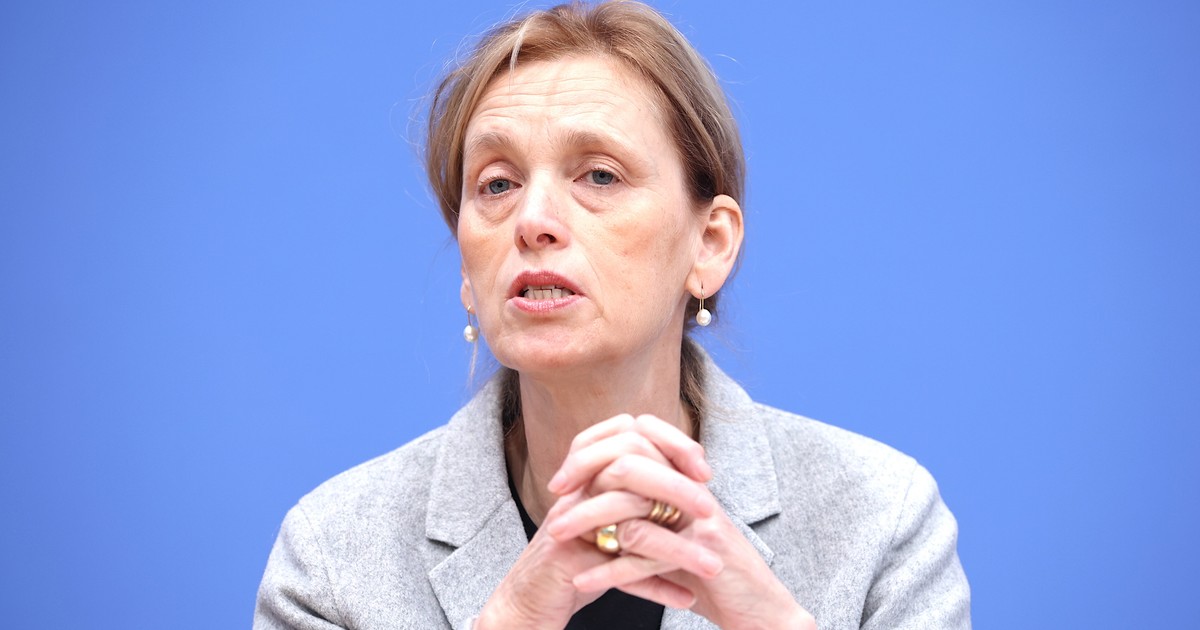
The head of the German ministry, Karin Prien, believes that the EU directive on pay transparency is too bureaucratic. He demands changes. She said in the Politico podcast that she is in discussions with European partner countries about the content and implementation deadlines of the directive. In her opinion, although the aim of the directive is good, it could lead to a significant increase in bureaucracy and “simply does not fit the current situation”.
See also: Disturbing forecasts for Berlin. The automotive industry is facing a wave of layoffs
Germany's decision may result in sanctions for the country from the European Union. According to German media, this situation may also have a negative impact on entrepreneurs who will feel great uncertainty. As emphasized by the business portal Haufe.de, which is part of the consulting company Haufe Group, the lack of national implementing regulations regarding the implementation of the EU directive does not mean that employers are protected against its provisions.
On the contrary, German courts will interpret applicable law in line with the EU Pay Transparency Directive and therefore more strictly. This was already evident in some labor court rulings in 2025. “Companies are therefore not advised to wait for the directive to be implemented at national level; instead, they should proactively review their internal remuneration structures and align them with EU requirements to exclude gender discrimination,” reports Haufe.de.