The polygraph at the job interview, the new abuse in the labor market: “Did you do drugs? Do you want children?” What happens to the candidates from Bucharest

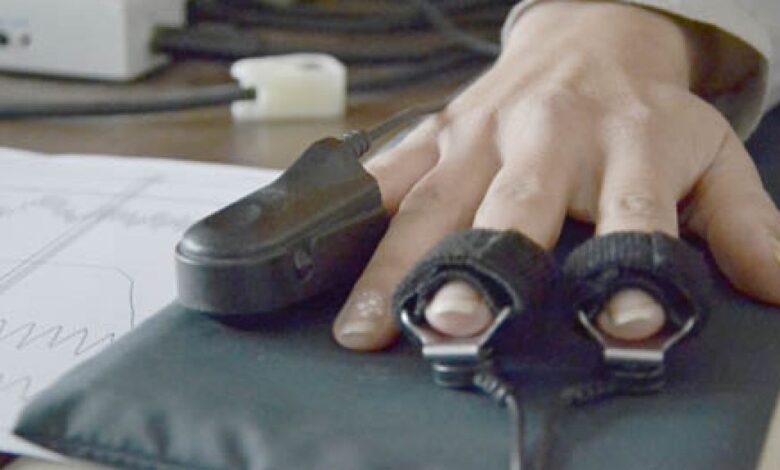
A case that recently appeared in the public space brings the legal and ethical limits of recruitment back into discussion: a young woman from Bucharest reported that, during an interview for a position in marketing, she was asked to accept a lie detector test, being warned that refusal would lead to her removal from the selection process. Specialists in labor law and human resources say that such practices are not allowed in the hiring process, as the verification of candidates must strictly focus on professional skills and respect the right to private life, without intrusions into personal matters.
HR professionals disagree with the lie detector in the job interview
The situation raises questions not only about the ethics of the recruitment process, but also about compliance with the law, given that the questions addressed to the candidate would have gone beyond the professional sphere, targeting aspects of her personal life, including the consumption of prohibited substances.
What the law says about tests used in recruitment
The Labor Code provides in Article 29 that an individual employment contract is concluded after the prior verification of the professional and personal skills of the candidate. However, this check must be relevant to the job and cannot violate the right to privacy.
In addition, labor law and personal data protection rules clearly limit the information an employer can request. Questions or assessments that are not directly related to professional activity, such as those regarding private life, family plans, religious or political orientation, are prohibited.
Specialists draw attention to the fact that the verification of candidates must be done by professional and proportionate methods, without intrusions into private life.
Doru Şupeala: “The lie detector is illegal in job interviews”
Human resources consultant Doru Şupeala told “Adevărul” that the use of the polygraph test in the recruitment process is illegal and abusive and violates the principles of the GDPR.
“Lie detectors are illegal in job interviews. Employers have a multitude of other ways they can test candidates. There are so-called psychological test batteries, they can take them through several stages of the interview until they find out if that candidate fits the profile the employer is looking for. Taking polygraph tests and asking if that candidate plans to have children is abuse. It's intrusive. The people you're talking about should have reported The police, to make a complaint to the ITM, to ask for compensation“, said Doru Şupeala for “Adevărul”.
It also outlines the legal limits of recruitment questions: “The polygraph test, questions about the intention to have children, about the religious, political orientation or about intimate choices in free time are strictly prohibited because they are not aimed at assessing the ability to hold the position. Any deviation from this rule is an abuse of right. Even when the employer asks for references from former employers, the law requires that they cover only the activities performed and the duration of employment, and only with prior knowledge of the candidate.”
What employers say and what practices exist in the market
In some areas considered sensitive, such as financial, transport of values or pawn shops – there are companies that call on companies specialized in polygraph testing for candidates. Employers justify these methods by the need to prevent fraud or internal losses.
The labor market in Romania, between stagnation and “Asianization”. Doru Şupeala: “In 2026 a new victim will appear”
However, specialists in labor law and data protection point out that such practices may violate the fundamental right to private life, guaranteed by the Constitution and European legislation, and may exceed the limits allowed in the recruitment process.
Reactions from the online environment
The case has sparked intense debate on social media, where opinions are divided. Some users believe that employers should be free to set their own selection methods, while others argue that there are clear legal boundaries that cannot be broken.
“Some of you live in a parallel world, I don't understand where this mentality comes from. When you go to someone, do you go and tell them how to decorate their house? That's their company, do what they want. If it doesn't suit you, leave/don't accept”one netizen wrote.
However, other users pointed out that the employer's freedom is not absolute: “There are some laws (Labor Code, personal information laws, anti-discrimination laws, etc.) that he cannot cross. If they apply such criteria in recruitment, it is an abusive practice.”
There was also backlash online, where several users reported similar experiences. One netizen criticized the pressure placed on candidates in the recruitment process, stating: “After 30 years of being told not to be honest in interviews and giving the same answers, now we're being accused of doing just that“.
Another user described a personal experience in a hiring process where he was asked questions that were considered invasive: “Have you ever taken drugs, gambled, stolen, have any psychiatric diagnosis“.
Other online accounts describe situations where candidates were told before the test what questions would follow, including some on substance use or personal history, fueling controversy over the expansion of lie detector use in Romania's recruitment process. “He told me what questions would follow before he 'connected' me to the polygraph. At first there were simple questions, then they followed some about drug use, gamblingthefts and possible mental problems“, said the netizen.