According to a Reuters analysis, the costs of the war between the United States and Iran have already reached at least $25 billion for global companies – and continue to grow.
Hundreds of companies from the USA, Europe and Asia are facing the consequences of the conflict, which is hitting the foundations of global trade.
More expensive energy and broken supply chains
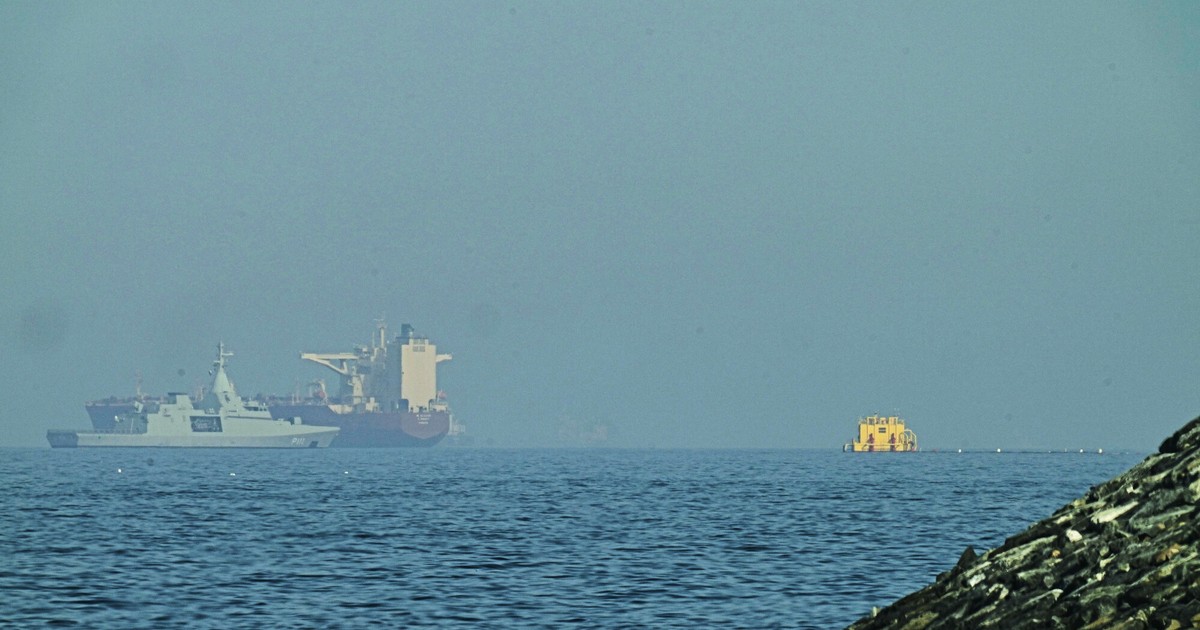
As Reuters reports in its analysis, companies are struggling with several problems at the same time: a sharp increase in energy prices, disrupted supply chains and trade restrictions. The key factor is the blockade of the Strait of Hormuz, through which approximately 20 percent of the flow of gas flowed before the war. global oil and gas supplies.
As a result, oil prices exceeded $100 per barrelwhich means an increase of over 50 percent compared to pre-conflict levels.
Reuters analysis shows that as many as 279 companies have already taken defensive actions. In practice, this means raising prices, limiting production, suspending dividends or share purchases, as well as sending employees on forced leave.
Some companies have introduced fuel subsidies or turned to governments for help.
The largest share of the costs comes from airlines, which are closely responsible for this $15 billion precipitate.
This is the result of almost doubling the prices of aviation fuel, which is one of the main operating costs of the industry.
- Read also: How much does it cost to refuel a plane today? Here are the data for each model
The giants are already counting their losses
The companies that suffered greatly include: Toyota, which estimates its losses due to the war at $4.3 billion, Procter & Gamble which anticipates approx $1 billion decline in profits or McDonald's, which warns of “long-term cost pressures”.
Whirlpool also significantly lowered its forecasts and suspended dividend payments. The increase in energy prices affects customer behavior.
“Consumers are refraining from purchasing new products and repairing them instead.” – noted Whirlpool CEO Marc Bitzer.
This is a signal of a slowdown that may affect other sectors. Trade disruptions are hitting the availability of key materials.
The shortages include: fertilizers, helium, aluminum and polyethylene – raw materials necessary in many industries, from industry to the production of consumer goods.
The pressure on margins is yet to come
While companies' first-quarter results remain relatively strong, Reuters analysts warn that the real impact is yet to come.
Margin forecasts for companies from the S&P 500 index are already being lowered, and European companies from the STOXX Europe 600 may feel the pressure from the second quarter when price protections no longer work.
- Read also: Iran wants money from tech giants. There was a clear threat against companies
Worse forecasts around the world
In Europe, consumer-facing sectors such as automotive and household goods are seeing forecast declines of more than 5 percent
In Japan, second-quarter earnings growth expectations were lowered to 11.8 percenti.e. half of the previous forecasts.
Experts emphasize that the full scale of the problem is not yet visible in companies' financial results.
“The real impact on earnings has not yet appeared in most reports,” say analysts quoted by Reuters.