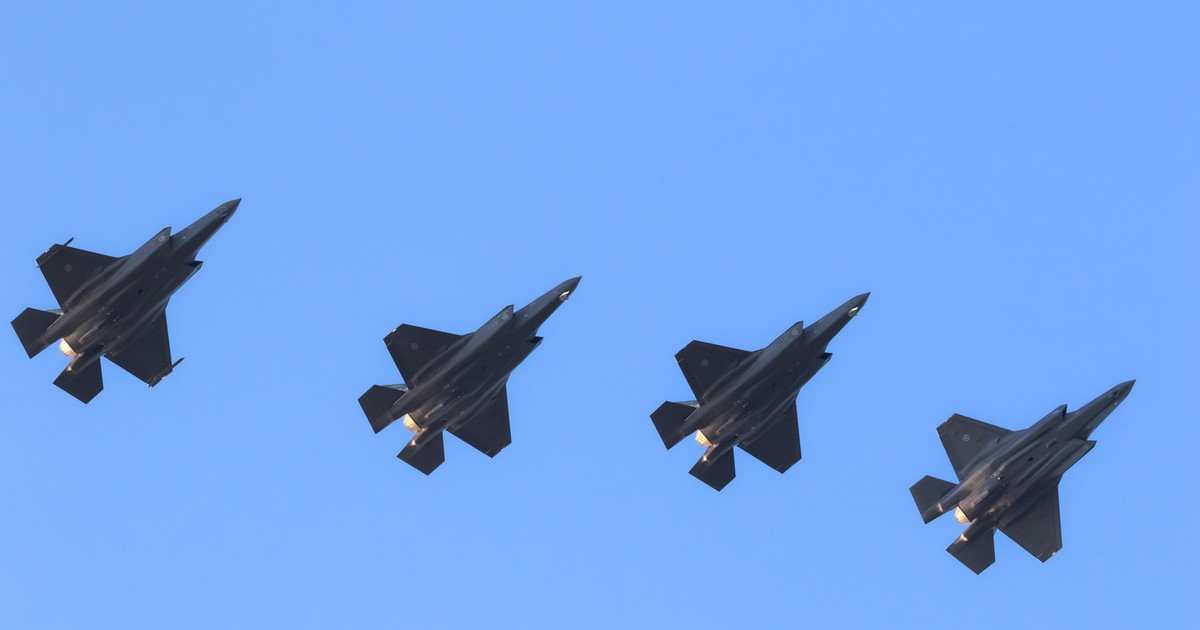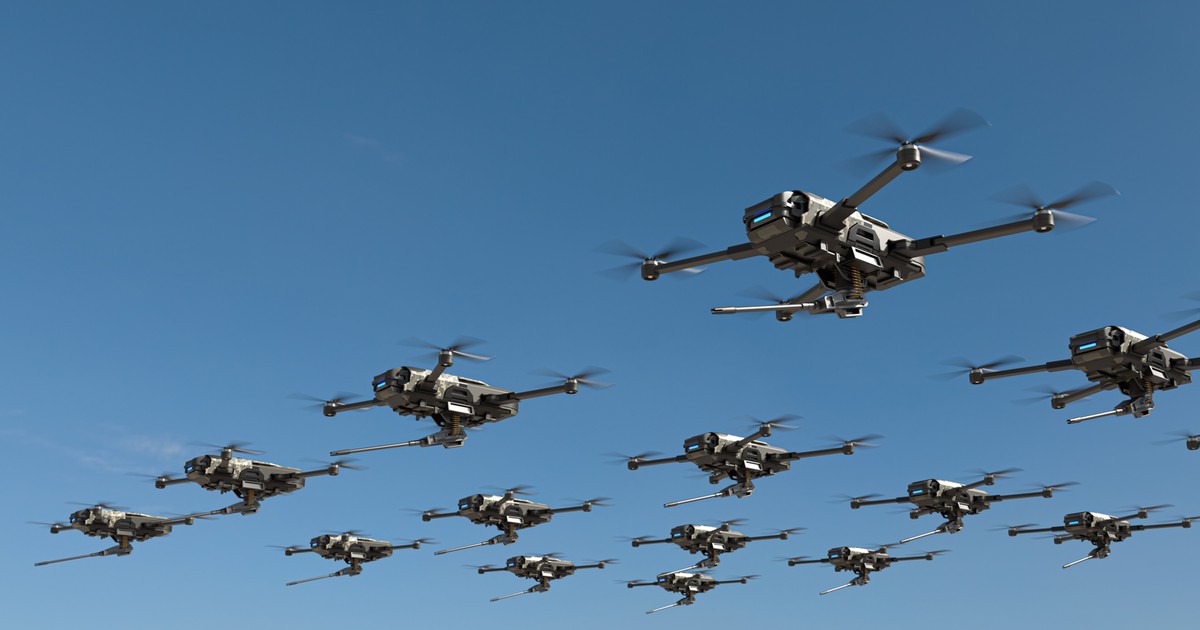
The new shield is intended primarily to protect power plants, industrial plants and bridges.
Read also: The merger of Bank Pekao with PZU is becoming less and less realistic. Politics blocks plans
The system will be based on early detection of unmanned aerial vehicles and their neutralization using signal jamming, intercepting drones, and in the future also laser beams.
Mobile network as a detection system
The key element of the project is the use of Telekom's infrastructure. The operator intends to install passive RF sensors on its masts that detect radio signals between the drone and the pilot. Importantly, these sensors do not emit their own waves, so they do not interfere with the operation of mobile telephony.
The innovative solution that Telekom is working on together with the Bundeswehr University in Hamburg is the analysis of data traffic in the network itself. By examining irregularities in information transmission, the entire cellular network will begin to function like a giant radar capable of detecting drones controlled by telephone operators.
Read also: A new gigantic investment in Poland. The government reveals details [TYLKO U NAS]
— The threat from drones is highly digital, says Armin Papperger, head of Rheinmetall. As he emphasized, effective defense today requires a combination of advanced sensors with safe communication networks.
The end of the era of traditional fighters in Germany?
The discussion about the new shield coincides with the debate on the future of German aviation. In its Monday edition, the Handelsblatt daily called on Berlin to abandon the expensive FCAS fighter project in favor of unmanned technologies. According to the newspaper the concept of air superiority fighters is a relic of the Cold War that does not fit the realities of the war in Ukraine.
“Let's stop FCAS fighters and finally build drones,” appeals “Handelsblatt”, pointing out that the Bundeswehr needs autonomous systems by 2029, not in 2045.
The Ukrainian training ground sets the directions
Defense Minister Boris Pistorius also spoke about the importance of this technology on Monday during his visit to Kiev. Germany and Ukraine are working on expanding the joint production of drones with a range of 100 to even 1,500 km.