
UK local elections: 'Devastating' results for Starmer's Labor / Why Farage is right to call it 'historic change'

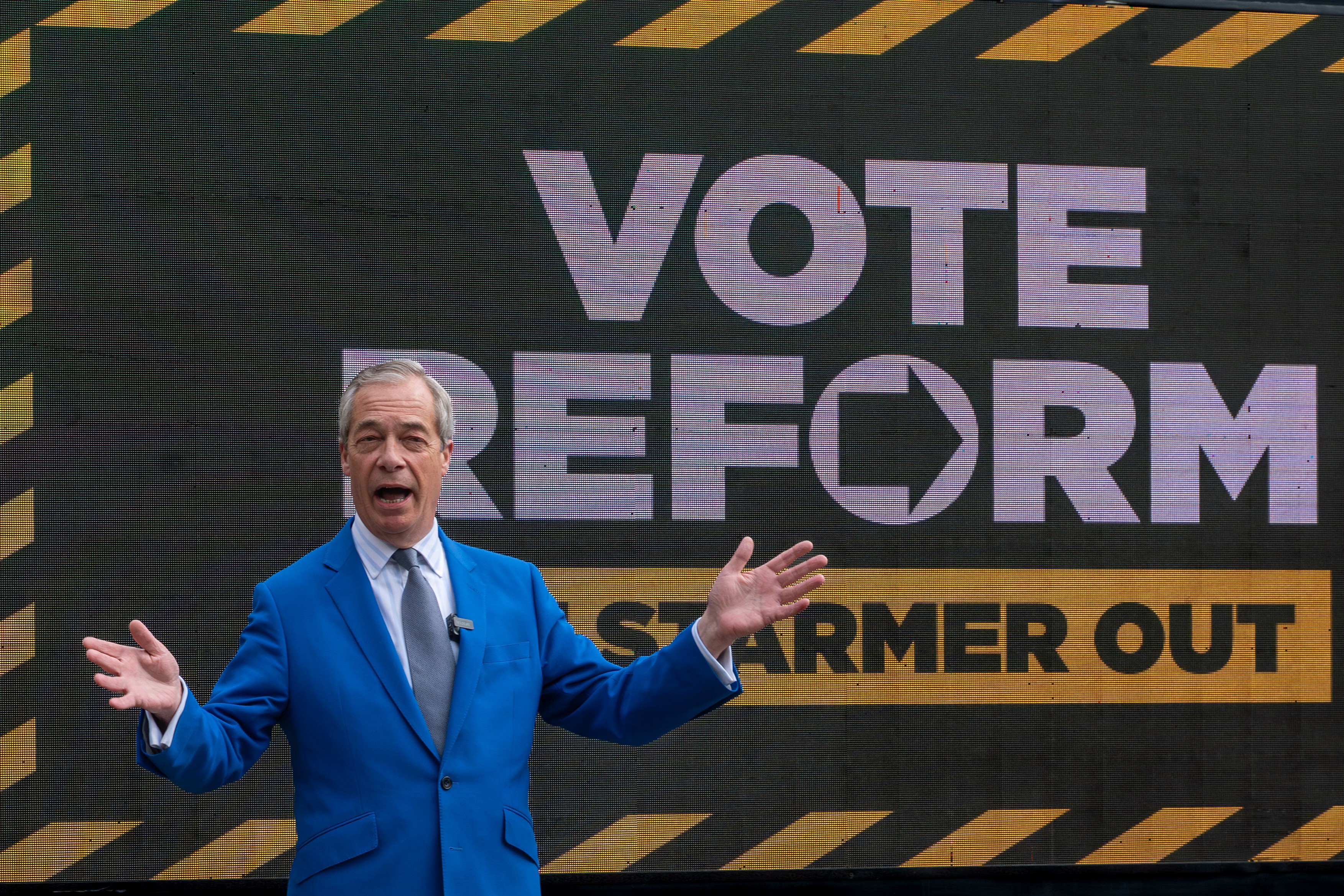
Keir Starmer's Labor Party has suffered major losses since the first results of local elections were announced on Friday, showing the extent of voter dissatisfaction with the British prime minister and raising doubts about his future just two years after his landslide victory in the national election, Reuters and AFP report.
The Labor Party lost massive voter support in areas that reported preliminary results, including traditional strongholds in the former industrial regions of central and northern England, as well as parts of London.
Polls widely predicted a defeat for the Labor Party and a massive surge for Reform UK.
For the Labor Party, the results expected this afternoon could be even more painful given the possible loss of its Welsh stronghold – a first since the creation of a Welsh Parliament in 1999.
The results are not much of a surprise
The main beneficiary was Brexit supporter Nigel Farage's populist Reform UK party, which won more than 300 local council seats in England and could form the main opposition force in Scotland and Wales to the pro-independence Scottish National Party and Plaid Cymru.
“The picture is almost as weak as everyone expected for the Labor Party, or worse,” said John Curtice, Britain's most respected pollster.
Elections for England's 136 local councils, along with devolved parliaments in Scotland and Wales, are the most important test of public opinion ahead of the next general election, due in 2029.
Labor backs Starmer: 'He can still turn things around'
Some Labor MPs have said that if the party performs poorly in Scotland, loses power in Wales and fails to retain many of the roughly 2,500 local council seats it defends in England, Starmer will face further pressure to resign or at least set a timetable for his departure.
But Starmer's allies were quick to back the prime minister, saying now was not the time to take action against him.
Defense Secretary John Healey said the last thing voters wanted was “the potential chaos of a party leadership election”.
“I think he can still get results, he can still turn things around,” Healey told Times Radio.
Farage: “A historic change in British politics”
Preliminary results showed the continued fragmentation of Britain's traditional two-party system into a democracy with several major political forces, in what analysts say represents one of the biggest transformations in British politics in a century.
The once-dominant Labor and Conservative parties are losing votes to the Remorm UK Party and, at the other end of the political spectrum, to the left-wing Green Party, while nationalist parties are expected to win elections in Scotland and Wales.
Farage said the results so far represented a “historic change in British politics”.
The Labor Party has been knocked out of the race in some of the most closely watched early results.
The party lost control of Tameside council in the Greater Manchester area for the first time in almost 50 years after the UK Reform Party won all 14 seats that Labor had been defending.
In Wigan, a former mining community it had controlled for over 50 years, the Labor Party also lost all 20 seats it was defending to Reform UK, and in Salford the party retained just three of the 16 seats it was defending.
“Devastating” results
The results were “devastating”, said Rebecca Long-Bailey, Labor MP for Salford.
Although incumbent governments often struggle in mid-term elections, analysts predict the Labor Party could lose its largest number of local council seats since the 1995 election, when former Conservative prime minister John Major lost more than 2,000 seats amid endless corruption scandals involving his government.
The UK Reform Party has won 335 seats in local councils in England, according to preliminary results. The Labor Party lost 247 seats and the Conservative Party lost 127 seats.
Most of the results — including those from elections in Scotland and Wales — are due to be announced later on Friday.


