Oil: Developments in the Strait of Hormuz reignite prices. The market does not believe in peace yet


Brent rebounded to above $100 a barrel, while US WTI neared $95 after the fresh exchange of fire in the Strait of Hormuz between the US and Iran. Traders oscillate between the fear of a new war and the hope of a Washington-Tehran agreement, the Greek press notes.
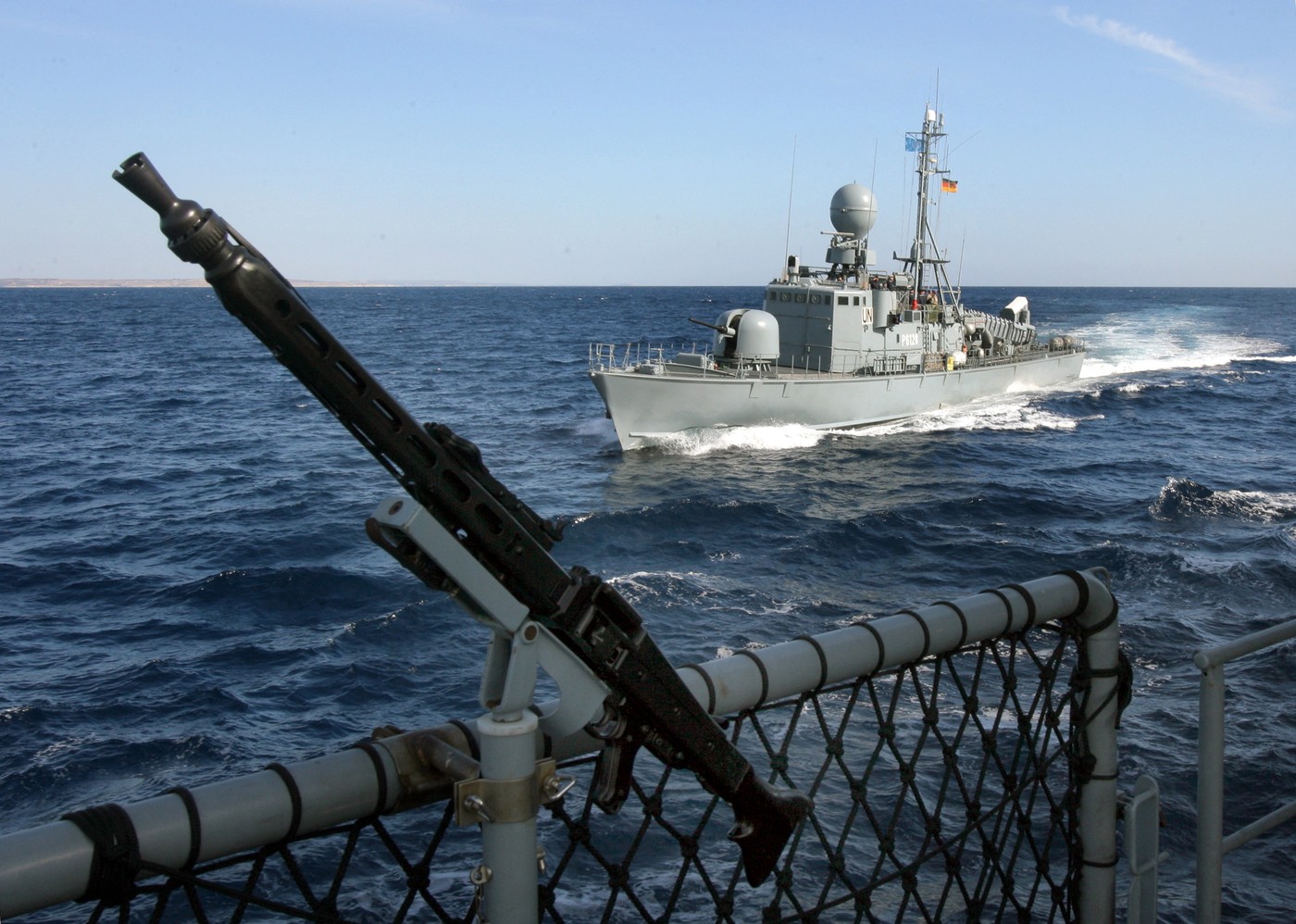
Oil markets are once again experiencing a war of nerves. A fresh exchange of fire between US and Iranian forces in the Strait of Hormuz has reignited fears that the fragile truce between the United States and Iran could collapse at any moment, threatening navigation on the world's most important energy artery.
The price of Brent returned to above $100 a barrel, after prices fluctuated from $115 to below $100 in recent days, as traders try to decipher whether the region is heading for a de-escalation of the conflict or further episodes of muscle-flexing.
The oil market now seems to be driven solely by the news coming out of Washington and Tehran. Every statement, every attack, every rumor of talks or commitments translates almost instantly into a rise or fall in prices.
Trump Talks 'Love Talks', Markets See Risk
US President Donald Trump tried to downplay the latest incident in the Strait of Hormuz, describing the attacks as “just some love talk”. He also insisted that the ceasefire remains in place despite the exchange of fire between the two sides.
In a post on Truth Social, he claimed that US forces had destroyed Iranian targets, including drones and small craft, while warning that Iran would face further military strikes if it did not soon accept a deal on its nuclear program.
However, markets do not seem to share the White House's optimism. On the contrary, the new outbreak was seen as a sign that the situation remains extremely volatile and that even a small disruption could cause serious disruptions to global oil flows.
Hormuz remains the “heart” of global energy
The Strait of Hormuz remains the most important passage for global oil and LNG trade. About 20 percent of the world's oil supply passes through it, meaning any threat to shipping could send shockwaves through international energy markets.
Fears were further heightened after reports emerged that Washington was considering resuming naval escort operations for merchant ships in the region as part of so-called “Operation Freedom”. Although Trump would later temporarily “freeze” the mission, the message to the markets was clear: the crisis is far from over.
ANZ analysts described the price action as a “roller coaster” as investors oscillate between hopes for peace and fears of a new military escalation.
“Prices will skyrocket”
And Citigroup sounded the alarm. Max Layton, head of the bank's commodities research department, warned that the oil market will continue to move “like crazy” until it becomes clear whether Iran and the US can actually reach a deal.
As he explained, the uncertainty is so great that even experienced traders have difficulty predicting the next move. Brent prices rose to $115 before falling back to near $96, simply because the market started to hope again for a diplomatic solution.
He noted that the global market still has a “safety buffer” of 700 to 800 million barrels built up over the past 12 months, but this stockpile is being “aggressively consumed.”
In other words, the longer the crisis lasts, the more limited market resistance becomes.
Loading delays and physical market pressure
The pressure is not only on futures contracts and the stock market. Traders say there are already delays in deliveries at a critical terminal in Oman outside the Strait of Hormuz, causing further disruption to the supply chain.
Asian oil buyers are facing increasing difficulties in accessing cargo from the Middle East, while more shipping and insurance companies are reconsidering the risk of transiting through the region.
The result is that geopolitical uncertainty is now spilling over directly into the physical oil trade, driving up transportation costs and intensifying fears of further shortages.
The market does not believe in peace yet
Despite leaks about a US proposal to Tehran and Trump's statements about a deal, investors appear cautious.
Analysts believe this crisis could last much longer than markets initially estimated. Citi's Max Leighton even warned that the Iranian regime could hold out for years under a blockade.
This means that the oil market may have to get used to a new era of extreme volatility, where prices will explode or crash within hours, depending on the prevalence of fear of war or hope of diplomacy.