Why we wake up tired after days off: the phenomenon that disrupts the biological clock in 70% of adults

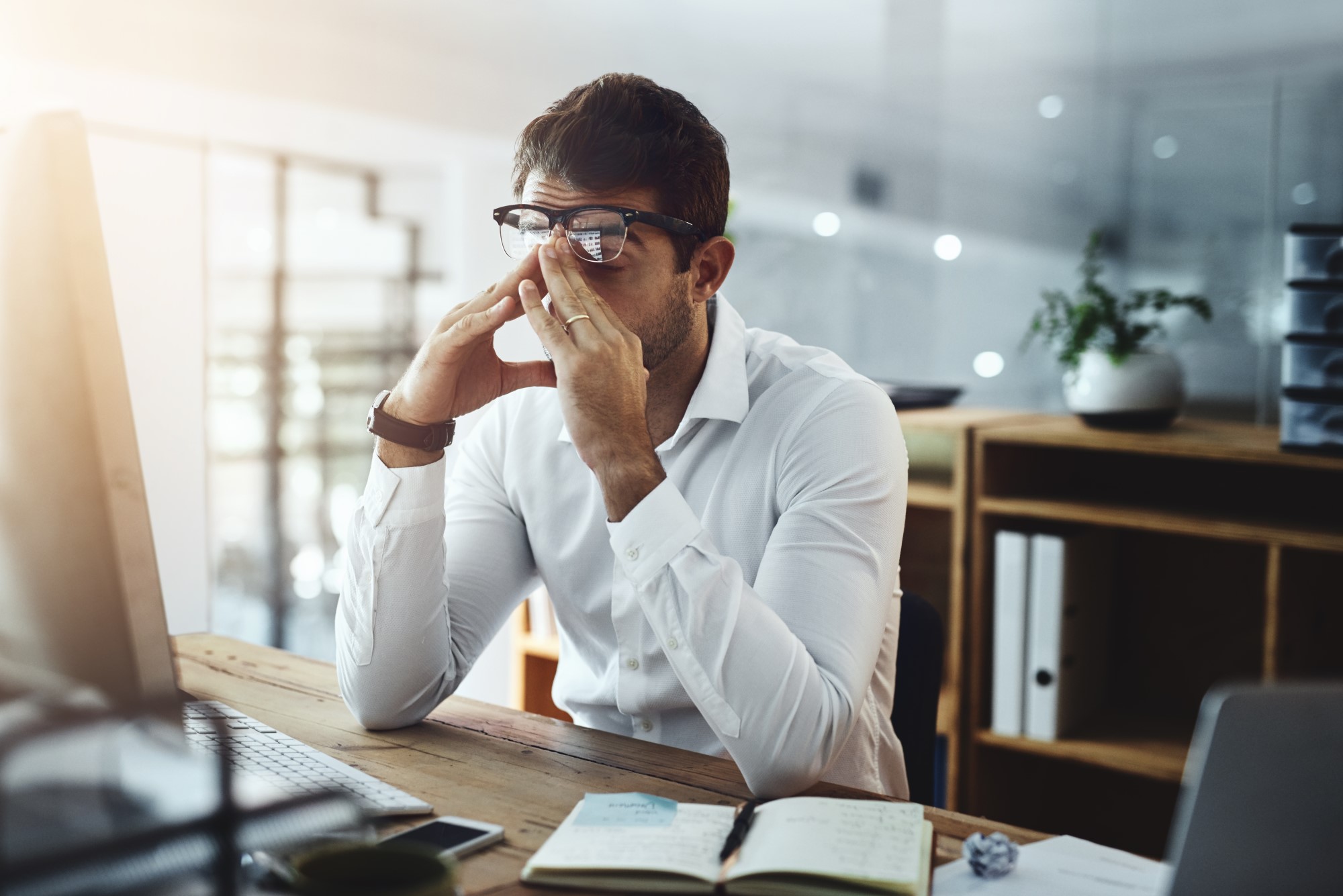
The gap between the sleep schedule during the week and that of the weekend or vacation affects about 70% of adults in industrialized countries, according to research in recent years. The phenomenon, called “social jet lag”, occurs even without crossing time zones and is manifested by chronic fatigue, irritability, food cravings and fragmented sleep.
Sleep medicine specialists point out that a short vacation, in which the hours of waking, eating and physical activity suddenly change, can throw off the circadian rhythm as much as a transatlantic flight. The solution lies in realigning the body with zeitgeberthat is, those environmental cues that regulate the biological clock, starting with natural morning light and ending with the temperature in the bedroom.
The term “zeitgeber“ comes from German and translates as “time indicators”. They are those external signals that regulate the body's biological rhythm and influence moments of alertness, hunger, activity or preparation for sleep. The strongest of them is light, followed by meal times, movement and ambient temperature. When these benchmarks end up no longer matching the internal rhythm, the biological clock goes out of order.
The concept of social jet lag was introduced in 2006 by the German researcher Till Roenneberg, who defined it as the discrepancy between the biological rhythm and the social one imposed by professional or personal obligations. Further studies have revealed that in industrialized countries, two thirds of the population experience a chronic misalignment of their biological clock. And the list of long-term effects includes obesity, type 2 diabetes, metabolic syndrome, high blood pressure, cardiovascular disease, cognitive decline, and increased risk for certain cancers.
The internal clock gets out of whack at the weekend like after a long flight
Mollie Eastman, founder of the education platform Sleep is a Skill, explained to The Washington Post that most people have a relatively stable schedule from Monday to Friday, but on the weekend they change everything: they stay up late, sleep until noon and eat at inappropriate times. “It's as if they took a plane and had jet lag, but they didn't go anywhere,” the specialist emphasized. The same dynamic is reproduced, amplified, during short vacations.
Melissa Knauert, associate professor of medicine at Yale University, points out that the tendency to wake up at a fixed time on work days and sleep more on days off has a destructive effect on the circadian rhythm.
“It is extremely important to get up at the same time every day. This does not mean that you have to jump out of bed as if for a meeting at 9.00 in the morning. There is a margin of flexibility of one hour, maximum two, without the internal balance being significantly affected,” said the professor from Yale.
Morning light, the first factor that regulates the biological clock
Humans are genetically programmed to be active during the day. Melissa Knauert recommends exposure to natural light in the first hours after waking up, when the body is very sensitive to external stimuli. The light with a blue component, emitted by the sun, but also by LED bulbs and electronic screens, reaches the retina and sends the signal to the hypothalamus that the day has begun, blocking the production of melatonin.
The natural dose can be obtained simply by going out on the balcony or terrace immediately after getting out of bed. The artificial variant also works. A well-lit room with an intensity of at least 250 lux, the equivalent of standard lighting in a modern kitchen or bathroom, provides the same reset effect.
For those traveling east with a time zone difference of four hours or more to cross, it is recommended that exposure to bright light in the early morning hours be limited, possibly by visiting museums without windows or by wearing a hat and sunglasses. The westbound route is generally easier to manage physiologically.
While flying, the sun visor should remain up during normal operating hours.
Blue light in the evening, the saboteur of deep sleep
Two or three hours before your usual bedtime, exposure to blue light should be drastically reduced. That means less on the laptop, less on the phone and, if possible, changing the lighting in the room to warm light sources or red bulbs. For those who can't avoid screens, blue light filter glasses are a compromise solution.
According to a large analysis, using computers and phones in the hours before bed is associated with more pronounced social jet lag in both young adults and adolescents. The blue light emitted by these devices interferes with the production of melatonin, the sleep hormone, and artificially pushes the biological clock towards a later bedtime.
Meals at fixed times
Meal times on vacation should be kept as close to home as possible, unless the destination is in a different time zone. A person who has breakfast at 9.00 in the morning in Bucharest should follow roughly the same schedule when he arrives in Madrid or New York, gradually adjusting by an hour or two to the schedule with which the body is synchronized.
Mollie Eastman proposes a variation she calls circadian intermittent fasting, meaning aligning mealtimes with natural rhythms. Basically, it means eating only when it's light outside and keeping a relatively constant eating window. For intercontinental trips, the specialist even recommends a 12-hour fast that helps to reset the internal clock more quickly.
Exercise helps, but not at all times
Physical activity helps regulate the biological clock, but high-intensity exercise done too close to bedtime turns into a disadvantage.
The Sleep is a Skill specialist recommends a break of at least four hours between intense training and bedtime. Yoga and stretching exercises can also be practiced in the evening as they have a calming effect on the nervous system.
The ideal temperature for sleeping
About two hours before bedtime, the body's internal temperature begins to drop as part of the circadian rhythm. A room that is too warm blocks this process and fragments sleep. The National Sleep Foundation indicates an optimal range of about 15 to 19 degrees Celsius, and a longitudinal study of 50 adults over the age of 70 in Boston showed that sleep efficiency is maximum when the bedroom temperature is maintained between 20 and 24 degrees Celsius. Deviations of five degrees above this threshold resulted in a 5% to 10% decrease in sleep quality, comparable to the effect of chronic pain or late-night alcohol consumption.
So, it is advisable to set the thermostat to a lower temperature before going to bed, as a signal to the body that the 24-hour cycle is entering the last stage.
Why short vacations are sometimes contraindicated
The paradox of city break or extended weekend vacations, such as the May 1 mini-vacation, is precisely due to the discrepancy between expectations and physiology. The declared goal is rest, but the typical behavior is the exact opposite: early morning flights after a white night, meals at unusual hours, alcohol in the evening, the desire to tick off as many tourist attractions as possible in the day, the bright light of the phone in the evening to post photos. Basically, three days of short vacation can produce a phase difference comparable to a flight to a different time zone by three or four hours.
The Sleep Foundation recommends, for domestic travel or small time zone differences, keeping your usual bedtime within an hour or two difference at most. For intercontinental travel, gradual adjustments a few days before departure, by gradually changing mealtimes and bedtimes, reduce the symptoms of classic jet lag.