The press freedom ranking for 2026 paints a grim picture: three out of four countries in the world are classified as “problematic” or worse. Moldova is doing better than Romania. Aggressive politicians around the globe.
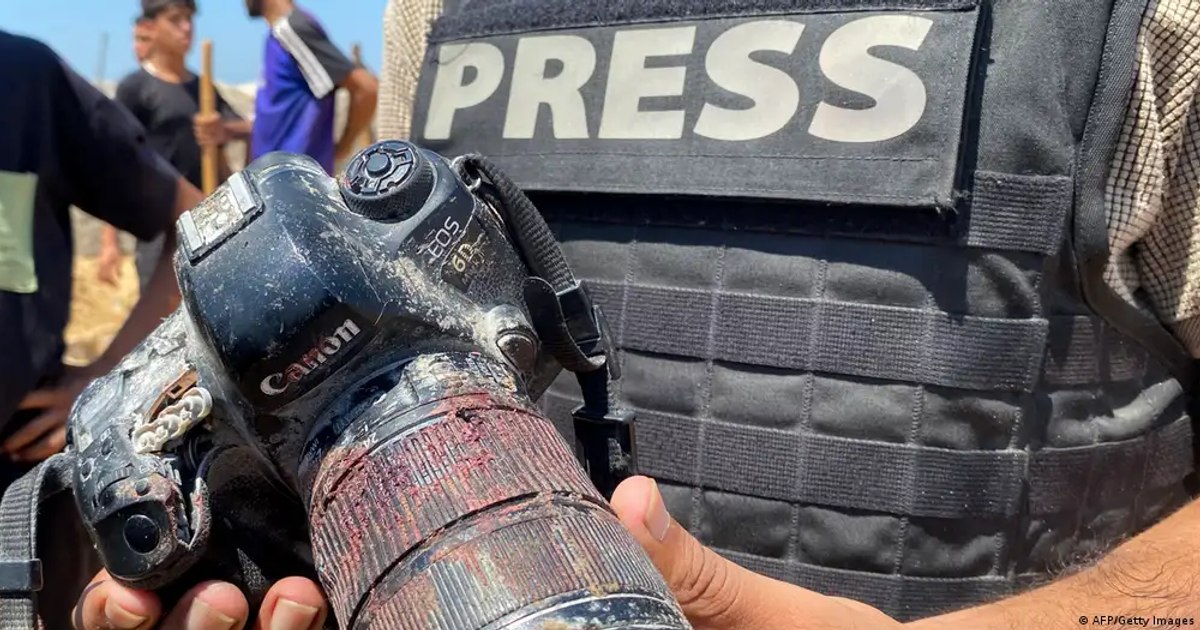
The blood-soaked room of journalist Mariam Dagga, killed in Gaza
After a year 2025 in which the state of journalism suffered globally, reaching the lowest level in the last quarter of a century, in the hierarchy of world press freedom, published on Thursday, April 30, 2026, the Republic of Moldova occupies the 31st position while Romania is in the 49th place. The ranking, made by the organization Reporters Without Borders (RSF), includes 180 analyzed countries. Freedom of expression is celebrated every year on May 3.
Romania: diversity, harassment, corrupt financing
The RSF report notes pluralism and diversity in the media landscape in Romania, with public interest investigations being conducted and published, but emphasizes that the main problem is the opacity of funding sources, “sometimes even corrupt”. The non-transparent money provided by the parties from the subsidies received from the state allows the politicians who benefit from these funds to buy themselves favorable coverage.
And “market difficulties undermine the reliability of information and trust in the press”. The sustainability of many TV news channels is fragile while “editorial decisions are often subordinated to the interests of the owners”, which “sometimes turns the mass media into a propaganda tool”. This also means that the information space, traditional or online, is bombarded with fake news.
The quoted document also states that “populist politicians have adopted an aggressive speech towards journalists”.
The shaky foundations of the Romanian media landscape are also amplified by the not so reassuring legal picture. Legislation is insufficiently applied, prosecutors intervene in journalistic activity bordering on harassment, the judiciary pressures newsrooms to reveal their sources. There are also abusive lawsuits, the so-called SLAPPs, which often end with decisions that do not comply with press freedom standards.
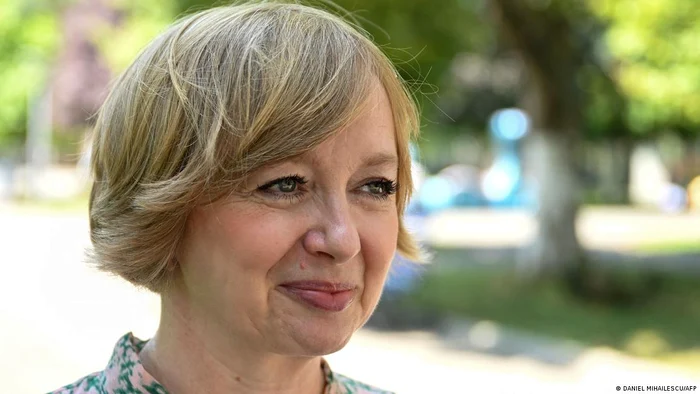
Journalist Emilia Șercan
Finally, the report mentions the case of Emilia Șercan and accuses the authorities of complicity with the authors of the smear campaign against the journalist.
Moldova: polarization, little money and self-censorship
The situation is not simpler east of the Prut: the report describes a deeply polarized press between pro-Russian and pro-Western camps, however, in recent years, “the control exercised by oligarchs and political leaders over editorial lines has decreased” real but fragile. “Most institutions owned by politicians follow the line of their parties”. Instead, the dismantling of the media empire built by Ilan Șor, the fugitive oligarch, and the suspension of licenses for stations associated with the convicted Vladimir Plahotniuc are evoked. However, their content has partially migrated online.
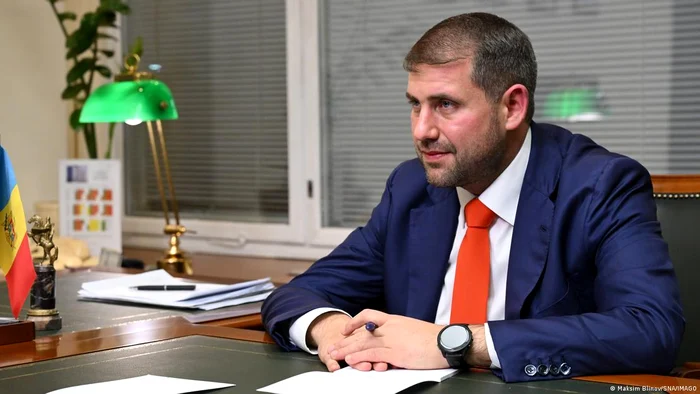
Ilan Şor, the fugitive oligarch
Reporters Without Borders mentions as a source of vulnerability the sometimes blocked access to information but also the frequent and arbitrary lawsuits for defamation. After the war in Ukraine collapsed the advertising market, the independent press survives largely on foreign funding.
The same war is the cause of self-censorship of many journalists, in the face of insults and intimidation from politicians or their supporters.
Increasingly under pressure globally
The definition of press freedom, as formulated by RSF, means “the ability of journalists, as individuals and as a group, to select, produce and disseminate information of public interest, independent of political, economic, legal and social interference and without threats to their physical and mental safety”. However, according to the ranking, published annually since 2002, the possibilities for journalists to work safely and independently are increasingly threatened globally.
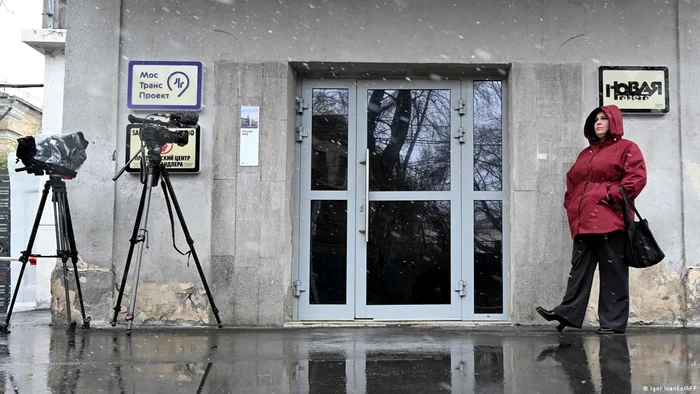
Russian authorities continue to raid the Moscow headquarters of Novaya Gazeta
In more than half of the states, the conditions for mass media are “difficult” or “very serious”. In Russia (172nd out of 180 countries), 48 journalists are behind bars, the opposition press has been abolished and critical voices have been declared “undesirable” or “foreign agents”, which means that mentioning them is punishable by law. All media outlets are owned by Kremlin loyalists. No journalist, even in exile, is safe from sentences based on vague and draconian laws hastily passed to condemn “defamation” and “fake news”.
The countries with the highest level of press freedom are Norway, Estonia, the Netherlands and Denmark. Journalists in certain regions of Africa and Asia face the most difficult conditions. And journalists in North Africa are generally less free than their colleagues in the south of the continent.
There are also countries like Eritrea, China, North Korea and Iran, freedom of the press never existed.
Different trajectories in Poland and Slovakia
An example of divergent developments can be found right in the center of Europe: in Poland, the press has become freer, while in Slovakia, hostility towards the media has increased. Both countries are still rated as “satisfactory”, but they are evolving in completely different directions.
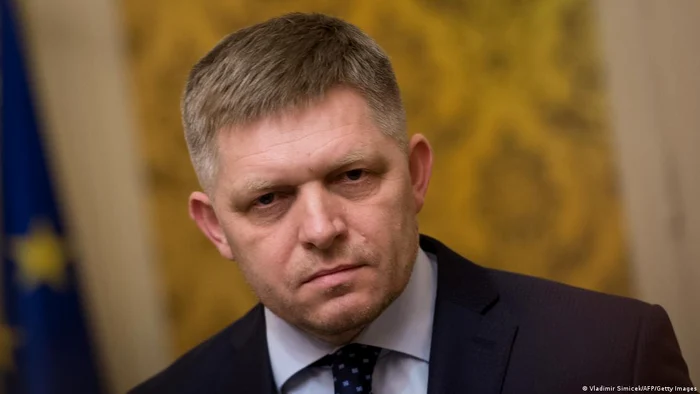
Slovak Prime Minister Robert Fico
According to RSF, the change of government at the end of 2023 was a turning point for Poland. After the defeat of the Law and Justice (PiS) party, known for its anti-abortion and anti-LGBTQ+ positions and anti-immigration policy, the new executive has abandoned verbal attacks and legal pressure on the media.
In the same year, the elections in Slovakia also marked a turning point: Robert Fico returned for a fourth term as prime minister, after several years in opposition, “and his thesis was always that journalists are his enemies,” says Lukáš Diko, editor-in-chief of the Jan Kuciak Investigative Center (ICJK), an independent media organization named after the journalist killed during Fico's third term because had investigated links between organized crime groups and companies associated with the prime minister's party.
The fear generated by the killing of the young journalist and the hostile rhetoric of the authorities has discouraged many from pursuing a career in the media, says Diko.
Attacks on the media as a political strategy
And Argentina saw a significant setback in the new index. the deliberate smear campaigns of right-wing libertarian President Javier Milea have created a hostile climate for journalists, who he claims are “not trained enough”. Milei “is not insulting as an economist or an ordinary citizen, but as the supreme representative of the Argentine state”, warns Fernando Stanich, the president of FOPEA, a non-governmental organization involved in promoting press freedoms in the South American country.
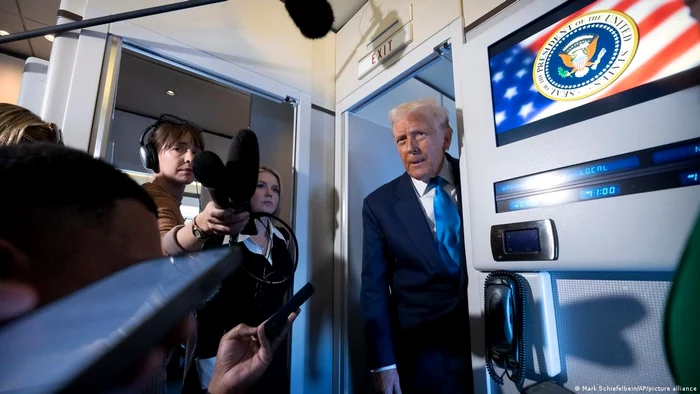
US President Donald Trump is known for his often harsh style in dealing with journalists
Like Milei and Fico, US President Donald Trump has repeatedly insulted and threatened the press since his 2016 campaign. Argentina, Slovakia and the United States show how quickly even states considered stable and democratic can become hostile to journalists.
The RSF report also mentions the more than 220 journalists killed since the start of the war between Israel and Hamas in Gaza, at least 70 of them in the line of duty. Hamas is considered a terrorist organization by many Western states and the European Union.
Professional networks, increasingly important
Media researcher Vera Slavceva-Petkova, from the University of Liverpool, believes that journalists can cope with pressure from political structures, social harassment or economic precariousness through solidarity and collaboration with organizations that share their values. Such networks will become increasingly important in the coming years.
Journalist and media researcher Glenda Daniels of the University of the Witwatersrand in Johannesburg says a strong civil society has helped maintain a satisfactory press freedom status in South Africa.
Cristian Stefanescu – DW