“Romania's master bird” in 25 portraits made by the painter who listened to her on the gramophone as a child. “Somehow, he wanted to bring it to life”


A unique exhibition with 25 portraits of Maria Tănase made after postcards was opened in Slatina, after the public in Craiova could admire them at the beginning of autumn.
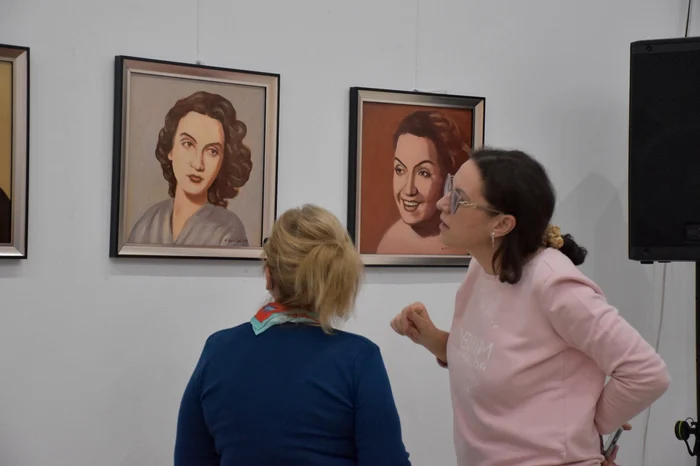
The “Faces” exhibition has arrived in Slatina PHOTO: Dolj County Center for Culture and Art
The author made 26 portraits of the artist nicknamed “the master bird of Romania” more than 12 years ago, which were presented to viewers in the foyer of the “Marin Sorescu” National Theater on the occasion of the 100th anniversary of the artist's birth. One of them was donated to a museum institution, and the remaining 25 were brought back to the attention of beauty lovers at the beginning of autumn, in the “Cromatic” Galleries in Craiova, so that the exhibition recently reached Slatina, at the “Ion Minulescu” County Library, through the care of Amelia Etegan, representative of the Dolj County Center for Culture and Art.
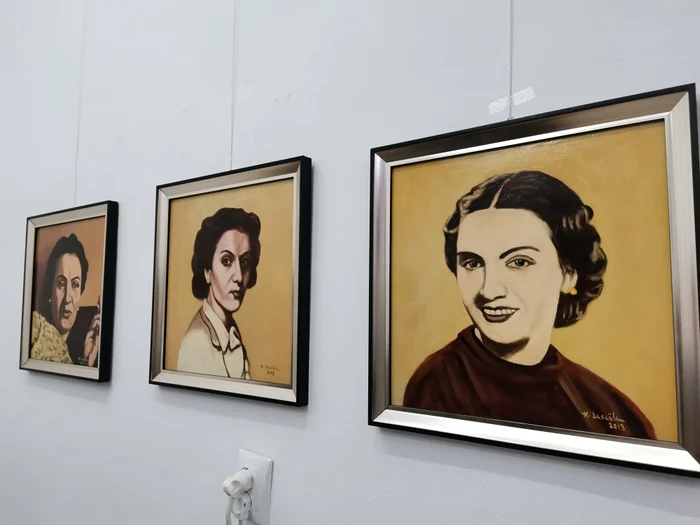
Mihai Dascălu made the portraits over 12 years ago PHOTO: Alina Mitran
The one who, through the portraits made, wanted to give life to the artist, as the painter Iulian Bănuță appreciated on the occasion of the opening of the “Faces” exhibition in Slatina, is Mihai Dascălu, a painter with more than half a century of activity behind him.
He was fascinated by the voice of Maria Tănase, Mihai Dascălu told “Adevărul” since childhood. “When I was little, I used to hear her on the gramophone, because there was a gramophone back then, she had a brother of my father's, next to us. I listened to the music, I knew it, I heard her singing, and now I listen to her on the phone. She was a genius, from my point of view. She raises the notes to such a high place, a voice…”, Dascălu described it.
He set to work with postcards in front of him. He decided to give the portraits “a bit of color”, impressed by the extremely sad event of the artist's death, which became one of magnitude through radio broadcasts and in the written press (despite the artist's wish that her death should not be brought to the attention of anyone, except the officials), which he experienced as a child.
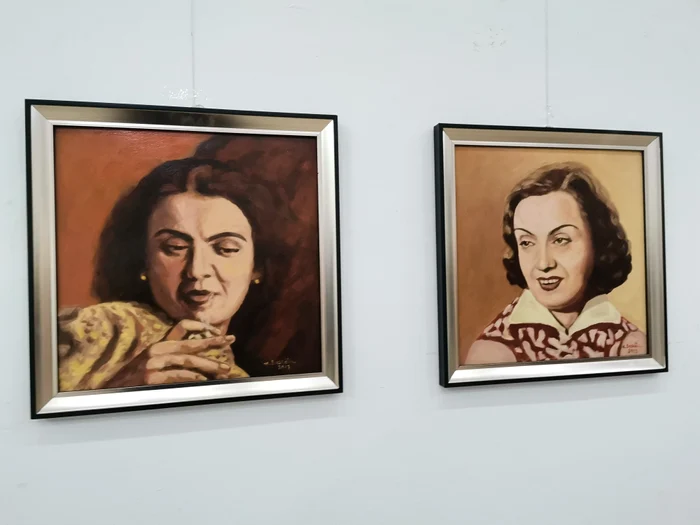
“Faces” – Maria Tănase, portraits by Mihai Dascălu PHOTO: Alina Mitran
Mihai Dascălu was 12 years old at the time and had already discovered that his drawings had something more than those of his colleagues. He couldn't go to high school, his parents, simple people from Giubega, couldn't afford it, so he went to vocational school, learned a trade and “went into bread”.
Arriving in Craiova, after graduating from vocational school, he did everything he could to learn from professionals how to apply color in portraits and landscapes. He passed his exam at the Popular School of Arts, where he studied graphics with Gabriel Bratu and sculpture with Ilie Berindei. He debuted as an artist over half a century ago, in a group exhibition at the Craiova Art Museum. He opened his first personal exhibition at the “Cromatic” Galleries of the Dolj Popular Creation Center. In 1981 he also became a member of the Brâncusi Cenacle. In all these years he experienced success in many forms, but he was left with the disappointment of not having studied at the “Nicolae Grigorescu” Institute of Fine Arts.
“Some dark earth colors were used, the light falls nicely on the face image”
The portraits in the “Faces” exhibition can be admired for a long time, in silence. “Some dark earthy colors were used, the light falls beautifully on the image of the face and captures her in different poses. (…) He, somehow, wanted to give her life. Although she is deceased, the artist wants to give her life, to bring her back among us, to somehow remind us of her music, that's how I see these works. The exhibition is very beautiful, it's expressive”appreciated the painter Iulian Bănuță.
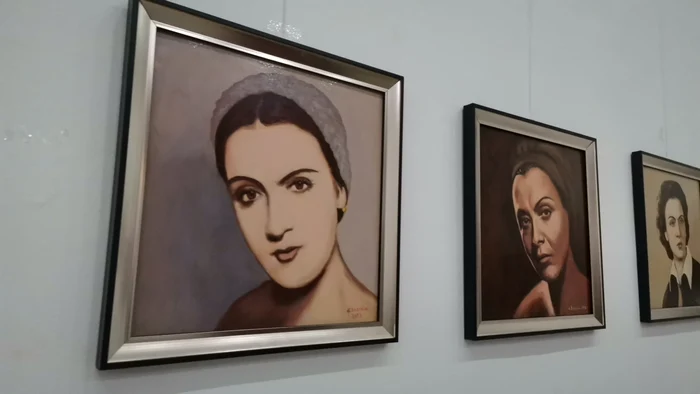
“Faces” – Maria Tănase, portraits by Mihai Dascălu PHOTO: Alina Mitran
The author of the paintings, who could not attend the opening in Slatina, made, he estimates, over a thousand portraits. During the difficult years of communism, he had numerous orders and thus rounded off his income.
He also liked to paint landscapes, he remembers that for a winter landscape he endured a severe frost. He left with an armful of newspapers from home, which he lit when he could no longer feel his fingers to keep warm.
He started making portraits two years after his admission to the Popular Art School. “I started the Popular Art School in 1973. And after about two years I started making portraits. I was making portraits for money. I started painting, but Mr. Bratu said no, that I was studying graphics. And I didn't know then what it was like with graphics, with painting, but it was very good that I did graphics”Mihai Dascălu says today.
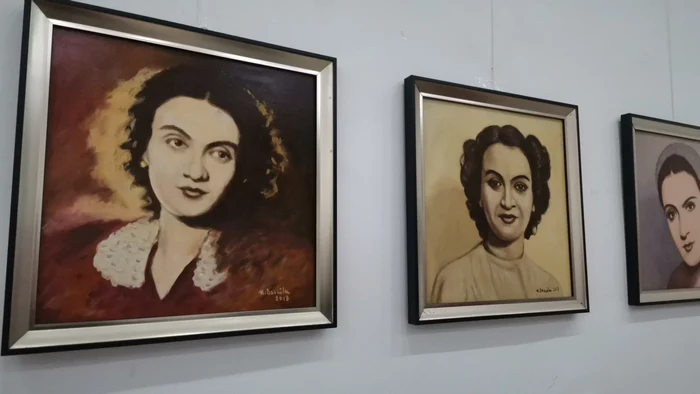
“Faces” – Maria Tănase, portraits by Mihai Dascălu PHOTO: Alina Mitran
He plucked up the courage to put his talent to the test for the first time when in a corner of a newspaper he saw a column, “Telephone 12613 is answering you”. “I also called, I said that I have talent. And they got in touch with Gabriel Bratu and he said that he would take care of the evolution of this young man. But I never met him again”, the painter recalled. He left for the army, and when he returned and was admitted to the Popular School, he was surprised to discover Gabriel Bratu in the workshop.
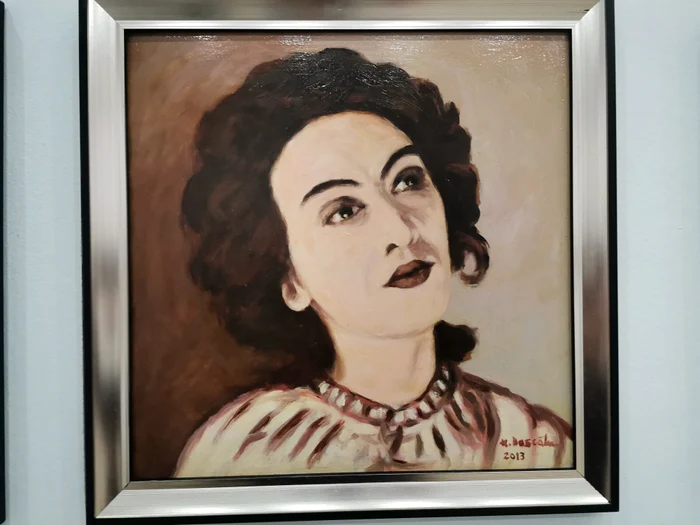
“Faces” – Maria Tănase, portraits by Mihai Dascălu PHOTO: Alina Mitran
He quickly became noticed among the artist's students. He also enrolled in the evening, to graduate high school, a dream from his adolescence. He completed two years of high school at “Nicolae Bălcescu”, a high school run by Nicolae Andrei, professor emeritus, brother of Ștefan Andrei, Minister of Foreign Affairs under communism. In 1975, he made 40 portraits of writers and former high school teachers for the high school, works that have been admired by generations of students since then.
After graduating from high school, he was admitted to the “Nicolae Grigorescu” Institute, but without success. With the money saved for college, on the advice of Professor Bratu, he bought an apartment in Craiova. Life went on, he married a colleague from the Popular Art School, children came and college was no longer a priority.
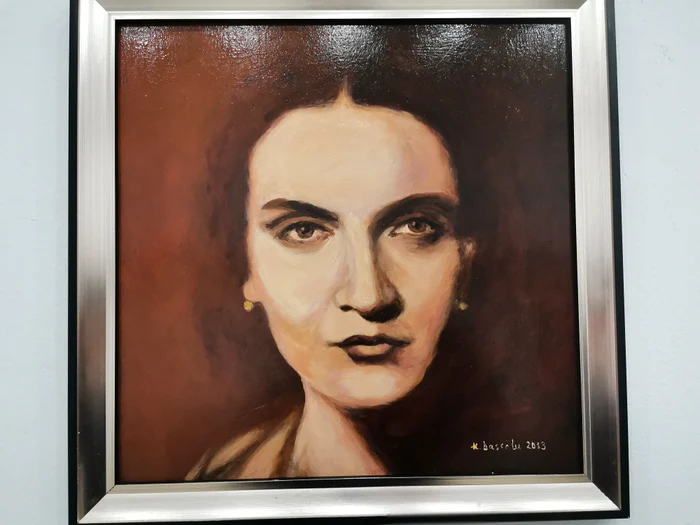
“Faces” – Maria Tănase, portraits by Mihai Dascălu PHOTO: Alina Mitran
The first exhibition was a group exhibition. He later joined the Brâncusi Supper, and in 1981 he sent works for the “Cântarea României” festival.
“I took fourth place in the country then. I was surprised too, I didn't know, because the paintings were leaving and I didn't know what was happening until they came back. And I heard on the radio that at the Art Museum of the Republic there was an exhibition of the laureates of the “Singing of Romania” festival, which was visited by party and state delegations. The works of this, this, this and Mihai Dascălu from Craiova with the painting “Old houses in the landscape” were highly appreciated. And with that I got the 4th place in the country. I went to the Cenacle, I didn't say anything, because the president of the Cenacle expected him to take it. But they knew”the artist recalled.
He had his first personal exhibition at Atelierele Cromatic, 42 drawings. “There were many portraits. One of them,
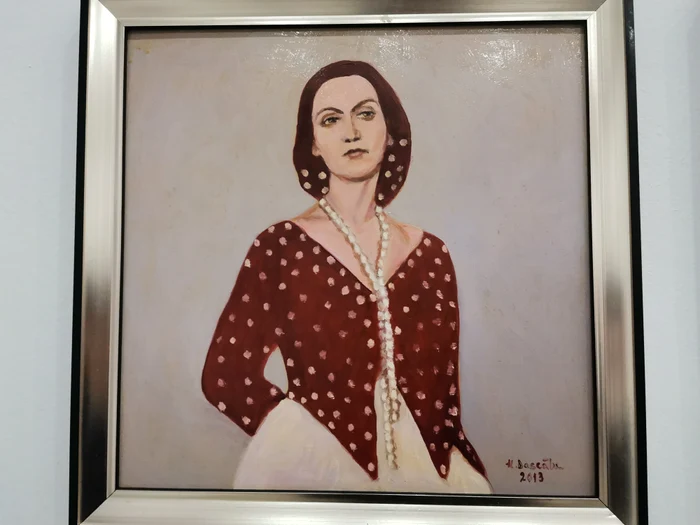
“Faces” – Maria Tănase, portraits by Mihai Dascălu PHOTO: Alina Mitran
Interviews, appreciations from established painters, exhibitions followed. One of the exhibitions, set up in front of the County Hospital, was varnished at the time of the shift change. He also has many beautiful memories from there.
Over the decades, he made portraits for ordinary people, but also for judges, actors, doctors, colleagues. He worked for hours after work.
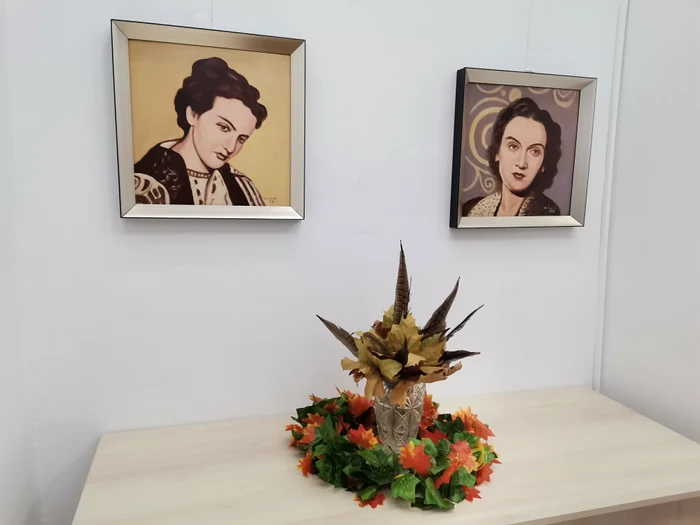
“Faces” – Maria Tănase, portraits by Mihai Dascălu PHOTO: Alina Mitran
“I don't know where I had so much energy. I was at work, I went to graphics, I also went to painting, because graphics was on Tuesday and Thursday, painting was on Monday, Wednesday and Friday. And I enrolled in sculpture in '74. I did a year with Ilie Berindei, the teacher recognized in Europe, now he is in Switzerland, he fled during communism. I learned a lot of artistic anatomy in sculpture. (…) He was the only sculptor with a university degree in Craiova, then”Dascălu remembered.
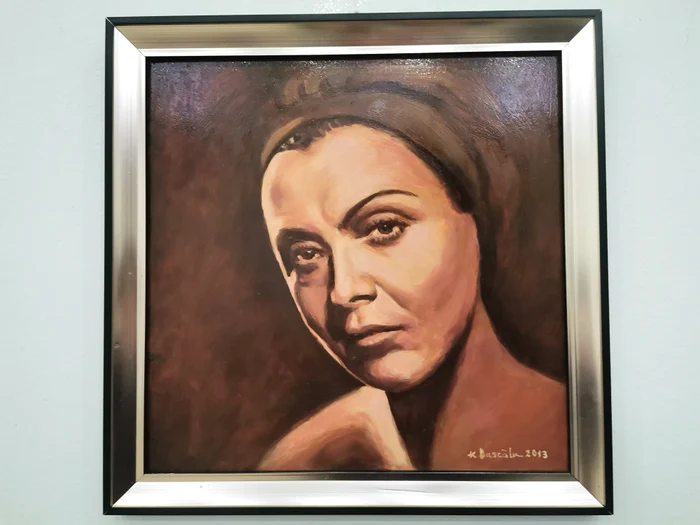
“Faces” – Maria Tănase, portraits by Mihai Dascălu PHOTO: Alina Mitran
After the Revolution he also started to paint icons. The discussion with Amelia Etegan, which gave birth to the idea of creating the exhibition with the portraits of Maria Tănase, took place after an icon exhibition.
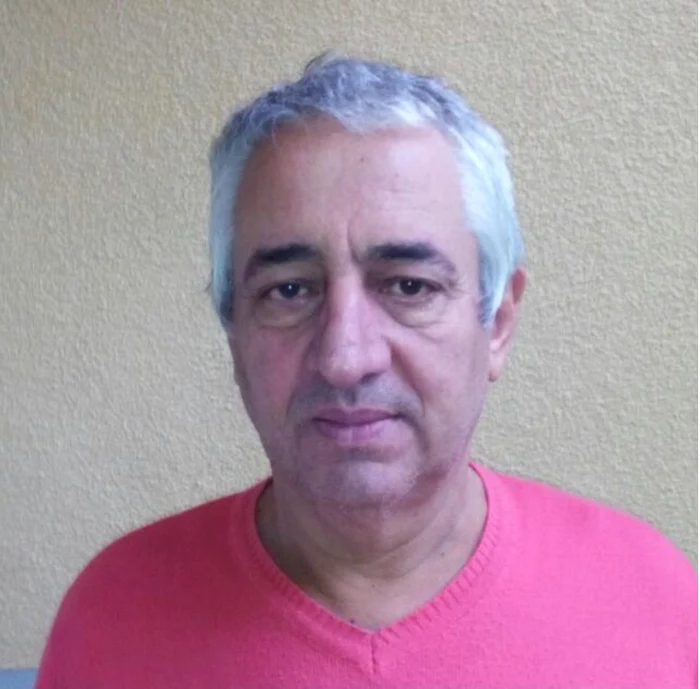
Craiova painter Mihai Dascălu PHOTO: Personal archive
Several churches in Craiova also have paintings made by Mihai Dascălu, and his works have also reached abroad. He experimented with various themes, painted hundreds, perhaps thousands of portraits and landscapes, painted hundreds of icons. He still has many more in the works, at the workshop in Craiova and at home, in his hometown, but he has not yet painted, and he wants to do, a field of sunflowers.