Russia estimated on Friday that the 20th package of European sanctions against it will also affect the European Union and developing countries and promised retaliation “in accordance with its interests”, write Reuters, EFE and Agerpres.
This new package of EU sanctions against Russia is focused on imposing new restrictions on financial services, trade and energy, including the transport of oil and liquefied natural gas (LNG) and maritime services related to these transports, plus other export and import restrictions on a range of products, including agricultural fertilizers.
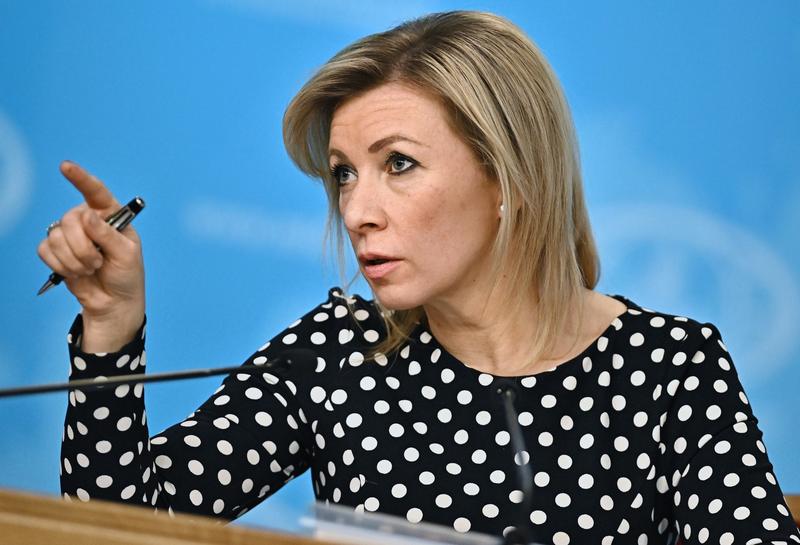
“All of this is happening amid a global energy crisis and resource shortages that are acutely felt in most regions of the world,” said Russian Foreign Ministry spokeswoman Maria Zakharova, speaking at her weekly press conference on Friday.
“By trying to further destabilize the energy markets, Brussels is harming both itself and developing countries, which can no longer afford energy at artificially inflated prices,” she added.
The new sanctions imposed on Russia by the EU, Zaharova continued, also threaten food security, as they include restrictions on trade in fertilizers, so that “the same countries that defended food security are taking measures to undermine world food security”.
“We will take retaliatory measures. They will be tough. They will be developed and implemented in accordance with our interests,” the representative of the Russian MFA claimed, adding that Russia strongly condemns any unilateral coercive measures and considers them illegal.
What did the EU include in the new package of sanctions against Russia
After Hungary lifted its veto following the reopening of the Drujba oil pipeline by Ukraine, the 27 EU member states on Thursday definitively validated a financial aid of 90 billion euros offered to Ukraine in the form of a loan – which Kiev will repay only if Russia pays it “war reparations”, otherwise it will be paid by the EU states, with the exception of Hungary, the Czech Republic and Slovakia, which refused to participate in the guarantee mechanism – and the The 20th package of sanctions imposed on Russia after the invasion of Ukraine.
In this new package of sanctions, the EU has created the legal basis to ban maritime services related to the export of Russian oil and petroleum products, but the application of such sanctions will need “close coordination and dialogue” with the countries of the G7 group, the EU Council and the European Commission announced. The objectives pursued by the EU are to further reduce Russia's income and to make it difficult to find buyers for its oil.
Another 36 entities involved in oil exploration, extraction, refining and transport activities were added to the EU sanctions list, activities related to the so-called “shadow fleet” used by Russia to circumvent the sanctions through which Western countries try to limit its oil exports, and an important marine insurance company has now been added to that list.
46 more ships of the “shadow fleet” are thus added to the same list and measures are included to restrict the contracting of oil tankers by Russia, through general prohibitions on the provision of maintenance, towing and other services, as well as services intended for ships carrying liquefied natural gas (LNG) and icebreakers, in an attempt to prevent Russia as much as possible from exporting its gas.
The EU has already decided to stop gas imports from Russia from next year, after in the period since the start of the war in Ukraine it adopted a policy to reduce Russian gas imports, largely replaced by more expensive liquefied natural gas (LNG) imported especially from the USA, imports that will increase with the ban on the purchase of Russian gas.