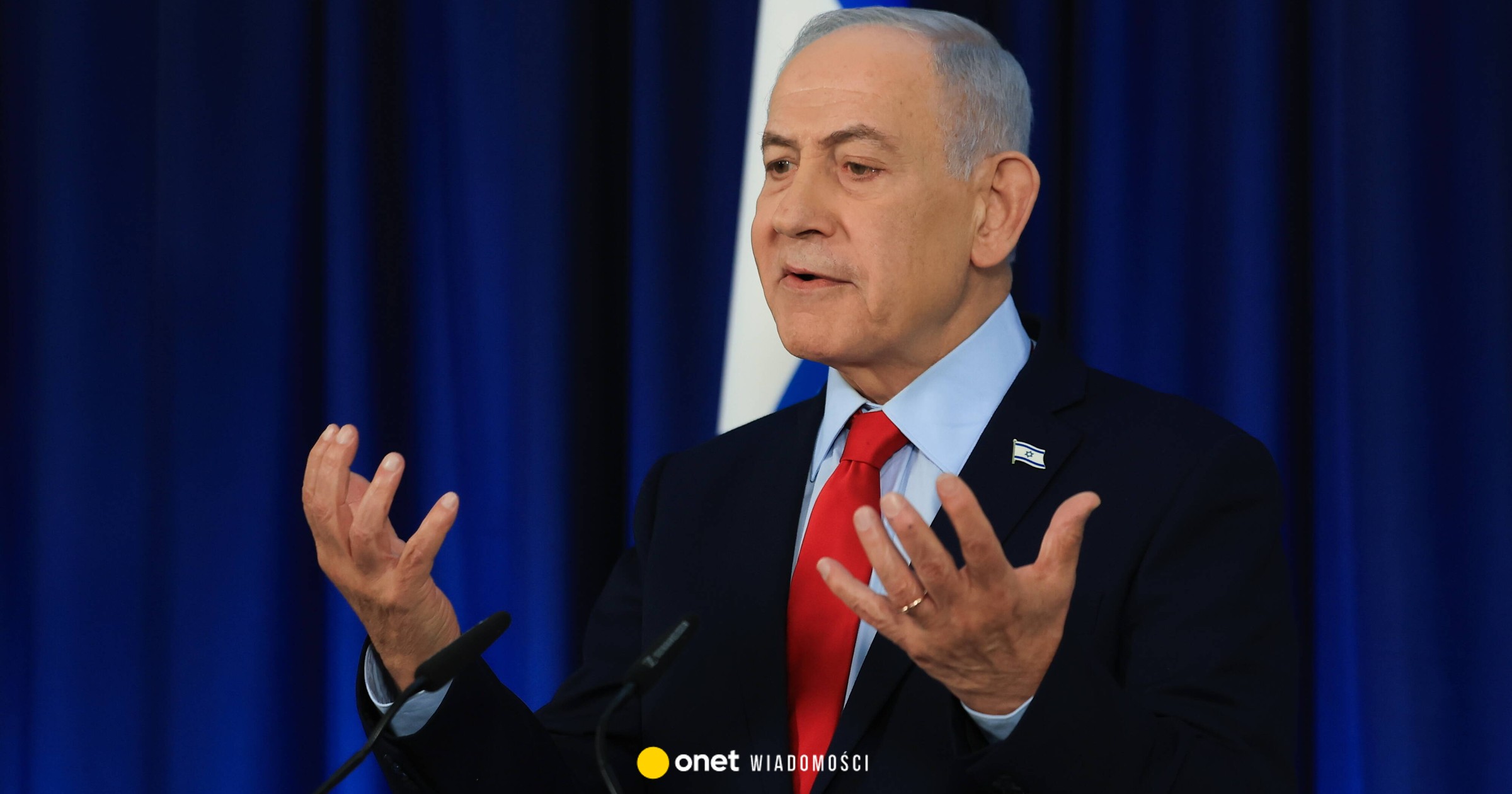
The situation Binyamin Netanyahu finds himself in is serious. After 39 days of war with Iran, there are no signs of the collapse of the regime in Tehran. Outside of US support Israel is increasingly isolated on the international stageand since the Hamas terrorist attack on October 7, 2023, the sense of security among Israelis has been greatly undermined.
These are not very good conditions for the head of government, who wants to win the elections again this fall. However, polls show a different picture. According to the American Institute for National Security Studies (INSS), only 34 percent trust the prime minister. Israelis. However, according to the latest study by the Lazar Institute The Likud party, led by Netanyahu, remains the strongest political force in Israel. It would currently win 25 of the 120 seats in the Knesset, slightly more than the party of Netanyahu's conservative rival, Naftali Bennett, which could count on 22 seats.
The results of polls in Israel may change very quickly, and the question about the still uncertain outcome of the war with Iran will be one of the key factors for voters. For decades, Binyamin Netanyahu he built his image on one fundamental promise: ensuring Israel's security. Few Israeli politicians have positioned themselves so strongly as a guarantor of stability, military strength and deterrence.
The article continues below the video
So far, the Prime Minister has even survived the fact that to the most tragic terrorist attack in the country's history — October 7, 2023 — occurred under his rule. For this reason, Netanyahu is even more committed to tough military action against Israel's enemies.
“Mr. Security” vs. Iran
Iran is a key thread here. Back in 1992, as a young Knesset member, Netanyahu predicted that Iran is “just three to five years” away from acquiring a nuclear weapon. It's a term he's repeated every few years since then. His speech at the UN forum in 2012 is still remembered, when he demonstratively raised a drawing of a bomb and marked a “red line” on it with a felt-tip pen.
14 years later, the US and Israel attacked Iran, and one of the main targets was the nuclear base of the ayatollah regime. Now, during the ceasefire, It is still unclear to what extent the Iranian threat has been limited.
Binyamin Netanyahu, Prime Minister of Israel, during the session of the UN General Assembly. New York, September 27, 2012EPA/JASON SZENES / PAP
Many Israelis are critical of the cessation of hostilities. “People are angry,” says Tal Schneider, political correspondent for the Times of Israel. Ultimately, Netanyahu's promises were not fulfilled.
This dissatisfaction can also be explained by a certain habit among Israelis of the belief that Israel has the ability to strike Iran, according to Ariel Kahana, a diplomatic correspondent of the considered pro-government newspaper “Israel Hayom”. Netanyahu gained politically after last year's 12-day war, when US President Donald Trump announced that Iran's nuclear program had been destroyed. However, this was a false claim. Experts estimate that Iran still holds at least 440 kg of enriched uranium. Israelis therefore expect a more lasting solution.
The failure of the security services before October 7 and Netanyahu's refusal to accept responsibility for it continues to be held against the prime minister, who has nicknamed himself “Mr. Security.” The corruption charges that 76-year-old Netanyahu has been facing for years seem like background noise to him.
The trials have been ongoing since 2020 and are continually interrupted by crises and wars. Netanyahu himself calls the allegations a 'witch hunt'. Critics accuse him of avoiding political responsibility, prolonging conflicts and trying to influence the justice system.
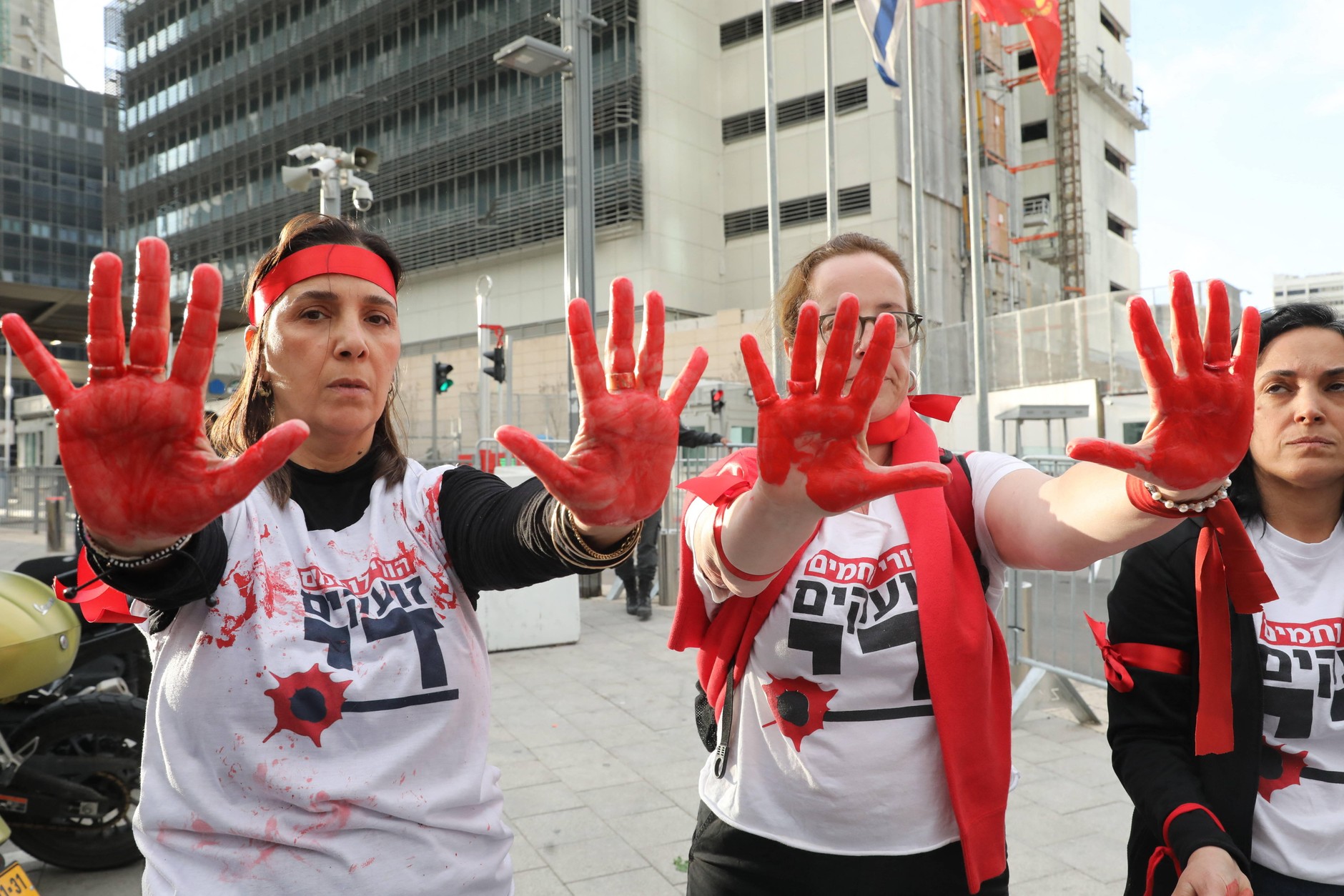
Anti-war demonstration in Tel Aviv, March 30, 2026.Gideon Markowicz / Anadolu/ABACAPRESS.COM / PAP
Another issue is Netanyahu's attitude towards the Israeli media. If he talks to journalists at all, then only with those who support him, and he directs his messages only to his own voters. During the current war with Iran, most of the key announcements are made by the United States. Netanyahu regularly releases messages, mostly in video form.
— He doesn't talk to the Israeli people. He sends out these videos and expects everyone to forward them. If they don't, he calls them names, says Tal Schneider, a correspondent for the Times of Israel. In her view, this is “a relationship with the media that has nothing to do with democracy” — and that increasingly distances Netanyahu from moderate voters.
The Prime Minister can count on loyal voters
Despite all criticism, Netanyahu retains the ability to act politically. His coalition endures, and his hardline electorate remains loyal. — He is the king of the right wing, says Ariel Kahana from “Israel Hayom”. —Those who have supported him for years or decades continue to do so. For them, for people from the right of the political scene, there is no better alternative than Netanyahu. His experience in managing international crises continues to give him an edge on the political scene.
Israelis will go to the polls in October. Experts are holding off on making predictions in these turbulent times. — It's too early to make a clear judgment, emphasizes Ariel Kahana. Given the current results, it is difficult to talk about a stable government majority for Netanyahu's Likud party. However, this does not necessarily mean an automatic change of power.
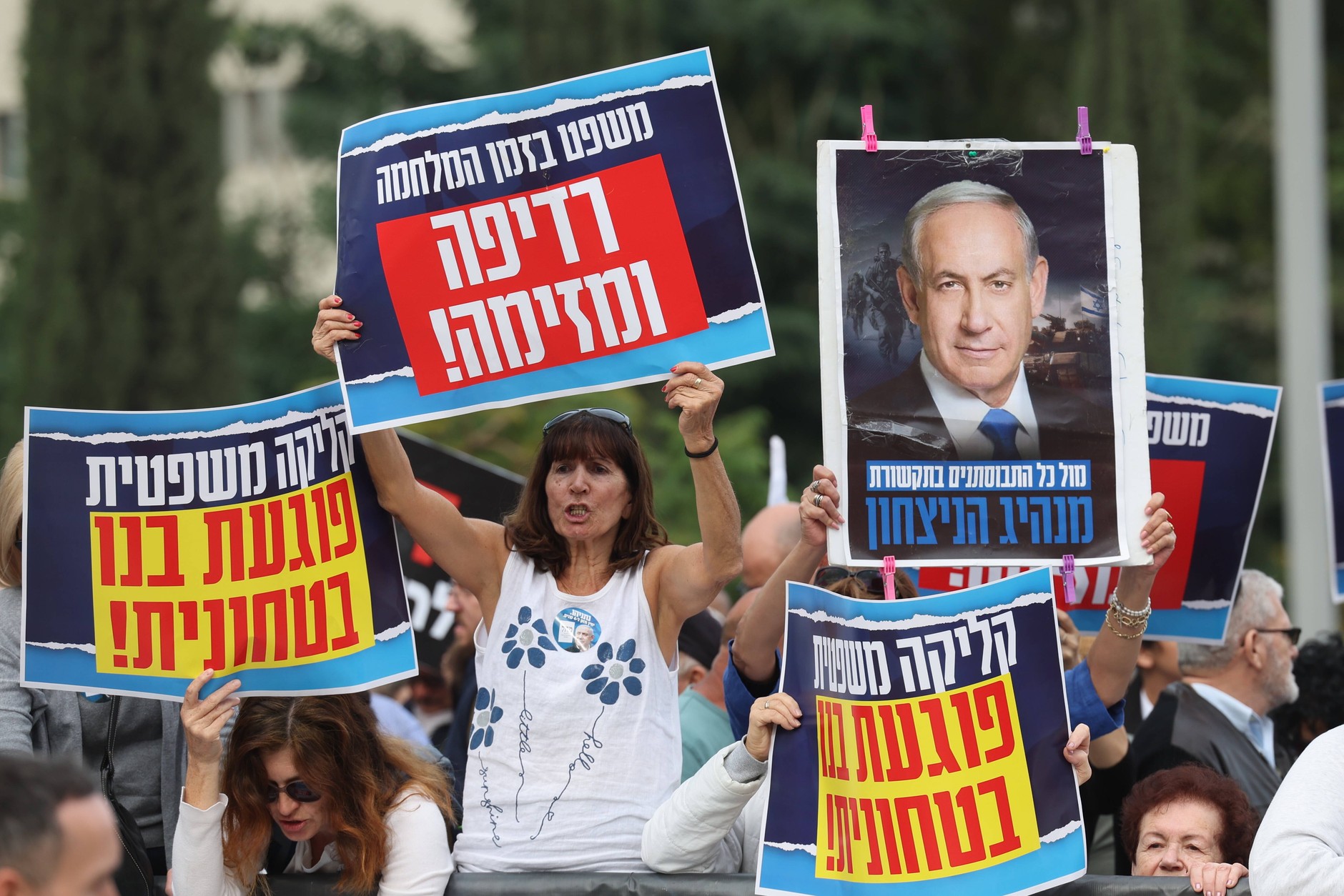
Demonstration of support for Binyamin Netanyahu during his hearing before the court in Tel Aviv, December 10, 2024.EPA/ABIR SULTAN / PAP
Both Likud's and Netanyahu's ratings are not high because the prime minister is popular. The party is leading because Netanyahu argues that any alternative to him is a threat to state security. Israelis believe that he can be entrusted with waging the war. As long as fear of Iran and its allies outweighs anger over corruption and state stagnation, Netanyahu hopes to win.
In Israeli politics, half a year is almost an eternity. The Machiavellian strategy of compensating for internal problems with a demonstration of external power has become the hallmark of Netanyahu's policy.
I’m Ashley Davis as an editor, I’m committed to upholding the highest standards of integrity and accuracy in every piece we publish. My work is driven by curiosity, a passion for truth, and a belief that journalism plays a crucial role in shaping public discourse. I strive to tell stories that not only inform but also inspire action and conversation.