Ukraine's finances are falling into ruin. This may be the last resort


The EU executive is intensifying efforts to use frozen Russian assets to finance a reparations loan to Ukraine worth EUR 140 billion (PLN 592 billion). Most Member States' finance ministers agreed to support this initiative – rather than using their own financial resources.
Belgium still remains main opponent this initiative. The government fears that the use of frozen assets – which remain under the supervision of the Brussels financial depository Euroclear – will expose it to Russian retaliation at home and abroad.
Kyiv has fewer and fewer resources to defend itself against Russia. European Commission Commissioner for the Economy Valdis Dombrovskis warned ministers on Thursday that the cost of inaction far outweighs the consequences of deciding to grant a loan.
The Danish EU presidency, which currently chairs negotiations in the bloc, has asked the Commission to continue work on the reparations loan after the conclusion of a ministerial meeting in Brussels this week. This will be a topic for discussion at Friday's meeting of key advisers to EU leaders. They will discuss the next summit scheduled for mid-December, when the initiative will be on the agenda again.
However, there are still many hurdles to overcome before Ukraine actually starts receiving cash payments. Further delays are likely to force the EU to provide bridge loans to Kiev until funds arrive.
Here's what you need to know about how long Kiev has before its funding runs out, and how Europe can address it:
When will Ukraine exhaust its financial resources?
If Kiev does not receive a new cash injection from the EU or the world's lender of last resort, the International Monetary Fund, it will have to tighten its belt from April. Emergency steps start with early withdrawal funds allocated for next yearsuch as dividend payments from state banks. The government will then try to sell the debt to investors, who will demand a financial return for granting the loan.
The article continues below the video
Once these possibilities have been exhausted, Kyiv will begin withhold funds for municipalities and for reconstruction related to the destruction caused by Russian missiles and drone attacks. The last resort will be the deferral of salary payments for government officials, hospitals, retirees and the military. This has not happened so far during the ongoing war.
What's the deal with the IMF?
The International Monetary Fund, headquartered in Washington, is preparing a new tranche of loans for Ukraine worth approximately USD 8 billion. (PLN 29 billion). However, the disbursement is contingent on the EU agreeing to use frozen Kremlin funds to finance a much larger loan that Ukraine would not have to repay unless Russia ends the war and pays war reparations – which would provide an effective backstop to the IMF.
A formal proposal from the European Commission to Parliament and the Council could be enough to assure the IMF that the Ukrainian government's finances will be healthy enough to take on more debt.
Is Belgium the only obstacle to a reparations loan?
Convincing Belgium to cooperate is crucial to the use of Russian assets. But on alert are Slovakia and Hungary, two Kremlin-friendly countries that have dampened Belgium's enthusiasm by expressing concerns about what will happen if the Kremlin tries to recover its frozen assets. Their objection is real threat for initiative.
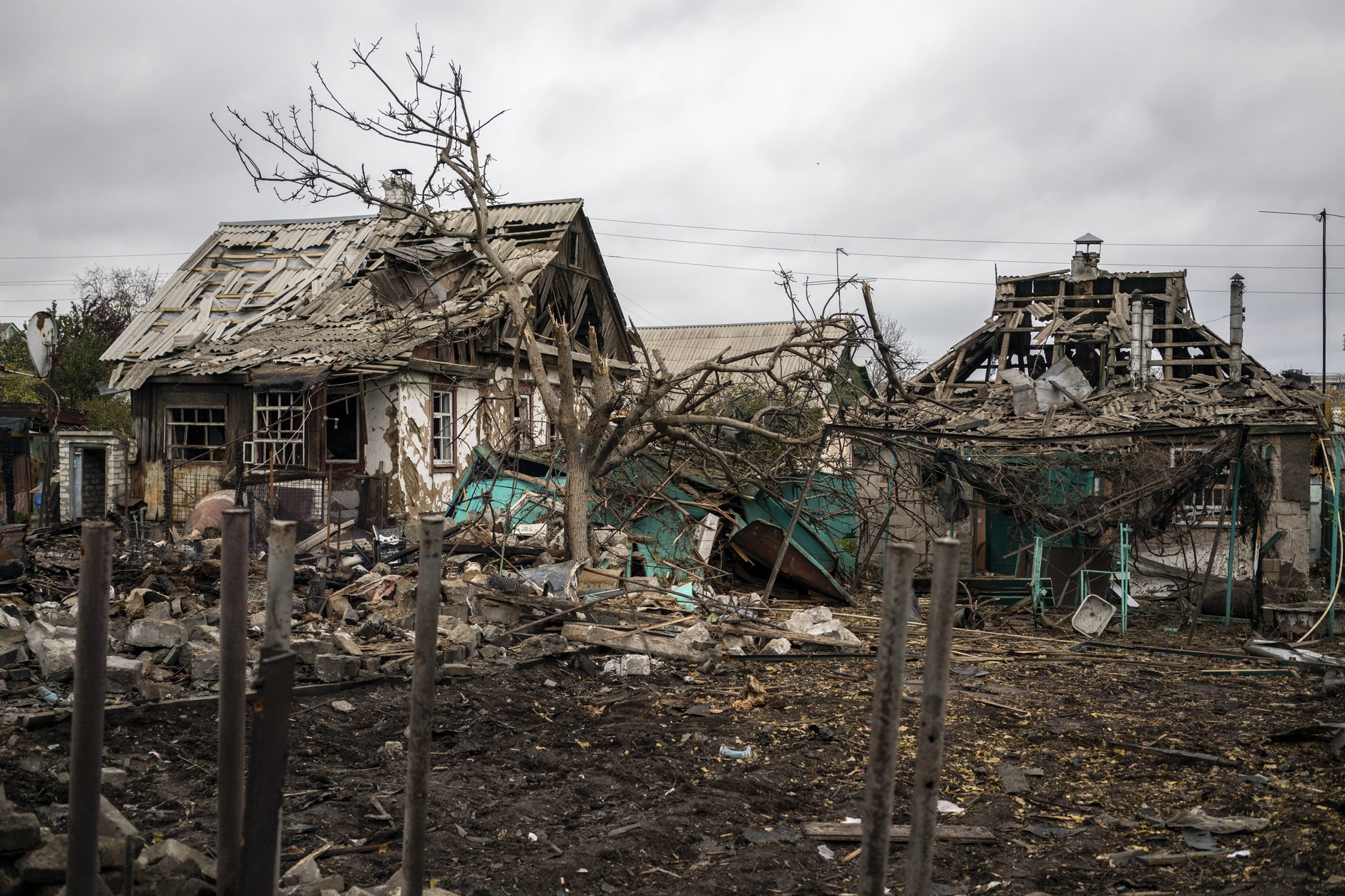
Destruction in Kramatorsk after the Russian attack, October 31, 2025.JOSE COLON/Getty Images
Every six months, EU capitals must unanimously approve sanctions against Russia, which also cover assets. This gives Budapest and Bratislava the right to effectively return sanctioned funds to Moscow with a single veto. The commission is exploring a legal loophole that would override the threat of a veto, although some EU officials are not convinced the legal acrobatics will be successful.
Anything else?
Yes. The European Parliament is also expected to comment on the provisions that will form the basis of the loan. This opens up a new arena of political risk – if MEPs demand significant ones changes in text design. Deadlocks are common when MEPs come face to face with government officials. This time the delay may affect the front line.
Once an agreement is reached, will the disbursement of EUR 140 billion be immediate?
NO. Some EU governments, such as Germany, will have to contact your national authorities legislative measures to obtain the guarantees that Belgium requires in exchange for the use of Russian assets. This process may take several months.
Are there any other complications?
Yes. There is also the issue of a corruption conspiracy in Ukraine surrounding the extortion of EUR 100 million (PLN 423 million) from the national energy sector. The scandal erupted earlier this week after Ukraine's state anti-corruption bodies uncovered the case of a group of current and former energy officials, a prominent businessman, government ministers and a former deputy prime minister.
The alleged criminal organization had manipulate contracts at Enerhoatomthe Ukrainian state-owned nuclear energy company, to obtain bribes worth 10 to 15 percent. contract values. The corruption investigation concerns key allies of Ukrainian President Volodymyr Zelensky.
Hungary and Slovakia may use the scandal as an excuse to reject the initiative, while other countries may set strict conditions on the use of the funds, fearing that they will end up in the wrong hands. However, given the stakes, few people suggest withdrawing the loan altogether.
“What other options do we have? Ukraine is our only option. It is fighting not only for its own freedom and the right to choose the way of life, but also for freedom of Europe” — Lithuanian Finance Minister Kristupas Vaitiekunas told reporters before Thursday's meeting in Brussels. “So despite the scandal, there are no other options.”
What's next?
The Commission is racing against time to propose a reparations loan so that technical talks on the financial engineering of the initiative can begin. There is no point in waiting until the next EU leaders' summit on December 18 – unless the EU is ready let Ukraine fall.