Could Ukraine have stopped the annexation of Crimea in 2014? The string of events that sealed the fate of the peninsula

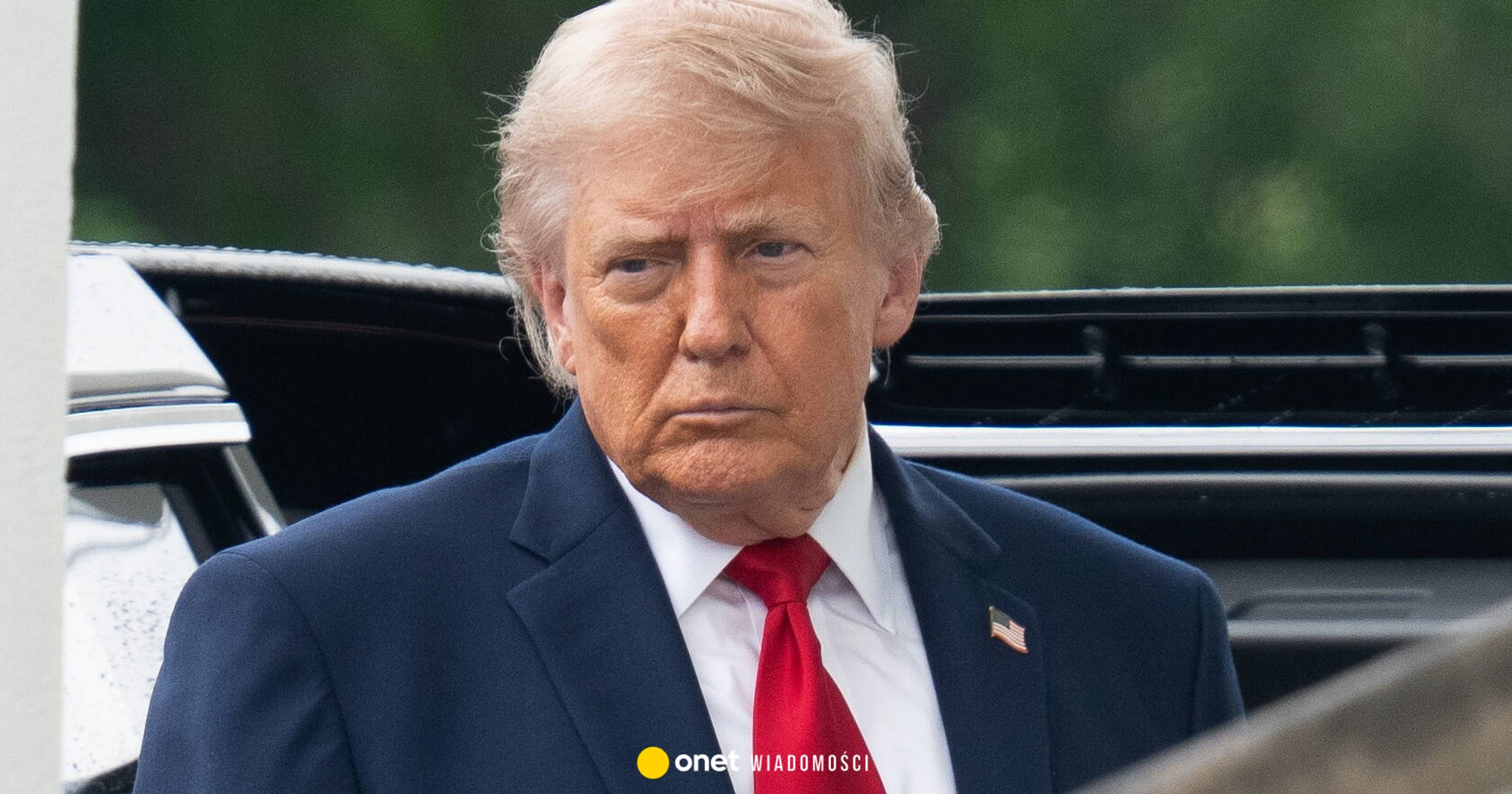
“Nobody asks (President Volodimir) Zelenski to recognize Crimea as a Russian territory, but if he wants Crimea, why didn't they fight for her 11 years ago, when she was handed over to Russia without a firearm?” Trump wrote on the SA Social Truth platform on April 23. The US president ignores certain important events and states of affairs from that time by making this statement, writes Kyiv Independent.
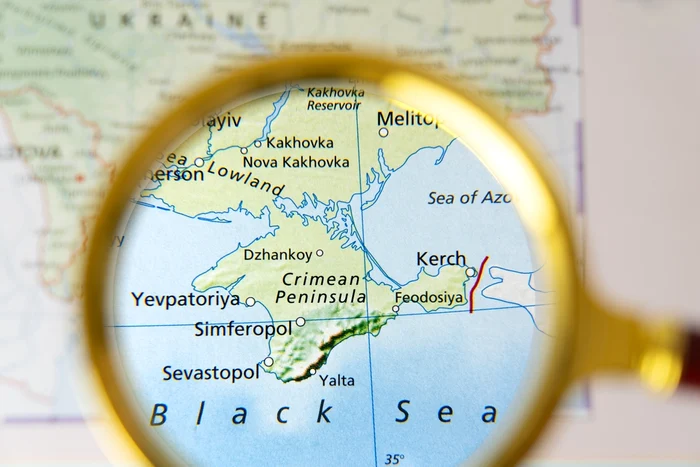
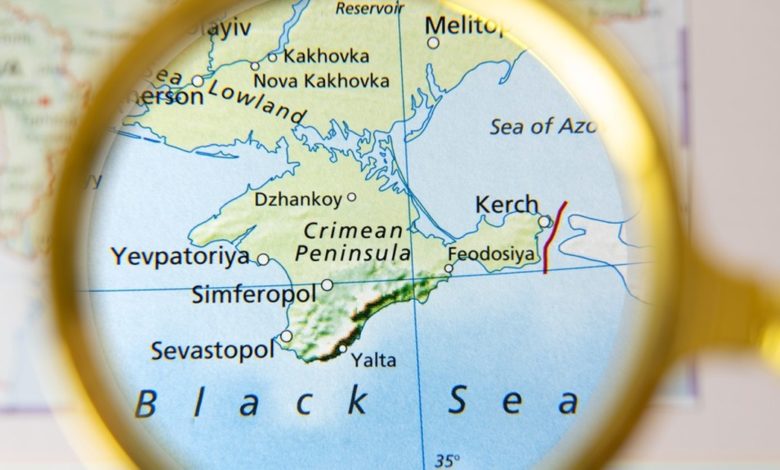
Russia annexed Crimea in 2014 photo shutterstock
Russia has prepared the land for years to take over Crimea. In addition, the Russians took advantage of the political crisis that followed the removal of the Pro-Rus president, Viktor Yanukovici, who fled to Russia on February 21, 2014.
The strong military presence allowed Moscow to quickly take control of Crimea in less than a month.
The special Russian special forces occupied the building of the Supreme Council and the Crimean Ministers Council on the night of February 27, 2014. A few weeks later, the Russian soldiers took control over the airports, the Ukrainian military units and the Navy. Although they did it largely without armed resistance, Ukrainian troops at Balbek air base, however, fought against Russian troops.
103 cadets, 2,239 soldiers and sailors and 1,649 Ukrainian armed forces resisted for almost a month in a complete Russian encirclement, recently wrote the interim Ukrainian president, Oleksandr Turcinov, on his website, on April 14, as a response to the statements in the state of Ukraine. defend the positions.
Although they had signed the Memorandum in Budapest (1994), through which they committed to support the territorial integrity of Ukraine in exchange for teaching the nuclear arsenal by Kiev, the US and the United Kingdom did not intervene, especially under the conditions of the agreement instead of firm commitments to protect Ukraine in case of armed aggression.
“They explained that they did not want to irritate Vladimir Putin or to cause a large-scale war in the heart of Europe. Ukraine did not receive any bullet,” Turcinov recalled.
Russia already had a well -developed plan
Russia acted step by step, helped by Ianukovici's government.
For example, Ianukovici and the Russian president then, Dmitri Medvedev, signed on April 21, 2010, the Kharkov agreements that extended the rental contract for the stationing of the Black Sea fleet until 2042.
At the same time, any restrictions on the movements of the Russian troops around the peninsula were raised, “creating all the necessary premises for the occupation,” Turcinov wrote.
Russia offered a lower price of Russian gas for Ukraine, by applying a reduction in the form of cancellation of customs duties.
“This was a threat, because at any time, this group (forces) could have launched on a larger scale against our country,” explains Vadim Skibițki, deputy head of the Ukraine Military Intelligence (Hur), for Radio Free Europe/Radio Liberty (RFE/RL) in 2021.
Between 2010 and 2014, Russia began to hide in Crimea modernized or reconditioned equipment to strengthen its military forces, according to Ukrainian intelligence services (HUR). The agency also registered incidents in which Russia confiscated Ukrainian navigation equipment in 2011 and 2012.
Russian troops also actively formed new brigades in the Crimean Peninsula.
On the other side, the Ukrainian army has long been facing funds. A continuous reform of the army led to the abolition of the 32 Armed Corps and to the withdrawal of the 3rd regiment of separate forces, both stationed in Crimea.
Under the Presidency of Viktor Iușcenko, between 2005 and 2010, the issue of Ukrainian army's fighting capacity and potential NATO accession was raised regularly. However, these discussions came to the impasse under Yanukovici's presidency.
Towards the end of his term, Iușcenko said that the Ukrainian army became the “victim of political intrigues”, insulating that the disagreements of the government led to the impoverishment of the army.
The situation around the peninsula was more hot at the end of 2013. On the eve of the Olympic Games in Sochi, a city on the Black Sea coast, Russia announced the need to take additional security measures to ensure safety during the sports event.
“Using this explanation, the Russian army practiced the blocking of maritime waters, as well as the air space, and performed various recognition operations. They used long -range radar recognition and detection aircraft. They also carried out aggressive recognition activities against Ukraine,” Skibizki said.
At the end of February 2014, Russian aepurted troops from regions such as Tula, Riazan and Kubinka were placed on maximum alert and began to move to the Black Sea coast.
Ukraine had a small response capacity at that time.
How did Ukraine lose precious preparation time
The Kremlin began to occupy Crimea while Kiev was chaos after Ianukovici fled to Rostov-on-Don following the Euromaidan Revolution. Instead of organizing the defense of Crimea, the pro-Russian associates of the former president were also busy fleeing Ukraine.
“Ianukovici's entire policy began to reveal: he weakened the Ukrainian state, opening the way for both the future annexation of Crimea and the attempt to separate the eastern and southern regions from the rest of the country,” it is shown in a report of the Warsaw Institute published in 2018. to sow instability in the south.
After an interim government was established in Kiev, a secret meeting of the National Security and Defense Council of Ukraine took place on February 28, 2014, almost a week after the Russian forces started their operation in the Peninsula.
The participants decided to put the Ukrainian armed forces on maximum fighting alert, to call on the guarantee countries of the Budapest Memorandum, to strengthen the defense of the critical infrastructure and to create an operational headquarters to respond to the situation in Crimea.
But other decisions were made.
Ukrainian admiral Denis Berezovski took over the leadership of the Ukrainian navy on March 1, 2014. The next day, he refused to comply with the orders of the Ukrainian authorities, giving orders to the subordinated units of Crimea to hand over the weapons and return the military equipment.
According to a transcript of the NSDC meeting on February 28, 2014, the then Defense Minister Ihor Teniukh claimed that Ukraine had 15,000 soldiers in the peninsula at the end of February 2014.
Turcinov later said that, since the beginning of the occupation, 70% of Ukrainian soldiers have betrayed their military oath, their number decreasing to 4,000. However, according to Teniukh, only up to 2,000 Ukrainian soldiers were really prepared by the fight.
During his presidency, Ianukovici's party, the Party of the Regions, in cooperation with the Russian intelligence services, closely supervised Crimea, preparing the land for the future invasion, according to the Warsaw Institute. In particular, Ukrainian military units, police and security service officers were infiltrated and captured by Moscow agents.
“The political disorientation, the low morale, the deficient financial and logistical support, as well as the systematic work of the Russian agents in the management of the Security forces, led to the mass deserts and deserts to the aggressor of the majority of Ukrainian soldiers and officers,” Turcinov said.
“Most of the remnants of our military units, encircled and scattered on the peninsula, were not even able to meet the basic orders and requirements of military regulations, ensuring their defense of weapons,” Turcinov added.
Following the forced confiscation of Crimea, the Russian government organized a referendum on the status of the peninsula without international observers and with armed Russian soldiers present in the polling stations. Shortly thereafter, Russia declared Crimea part of Russia, cementing its illegal annexation on March 21, 2014. Most countries do not recognize the results of the referendum.
“Viktor Yanukovici deliberately taught Crimea. There was no pressure on him from the Russian Federation,” said Valentin Nalăvaicenko, the former head of the Security Service of Ukraine, during the missing process of Yanukovici in 2018.
The teaching of Crimea to Russia had been planned since 2010, when President Fugar Yanukovici took over, he added.
On March 24, 2014, Turcinov signed a decree that implemented a decision of the NSDC to relocate military units and the law enforcement agencies in other Ukraine regions.
In less than a month, Russia has begun to invade and partially occupy parts of eastern Ukraine.