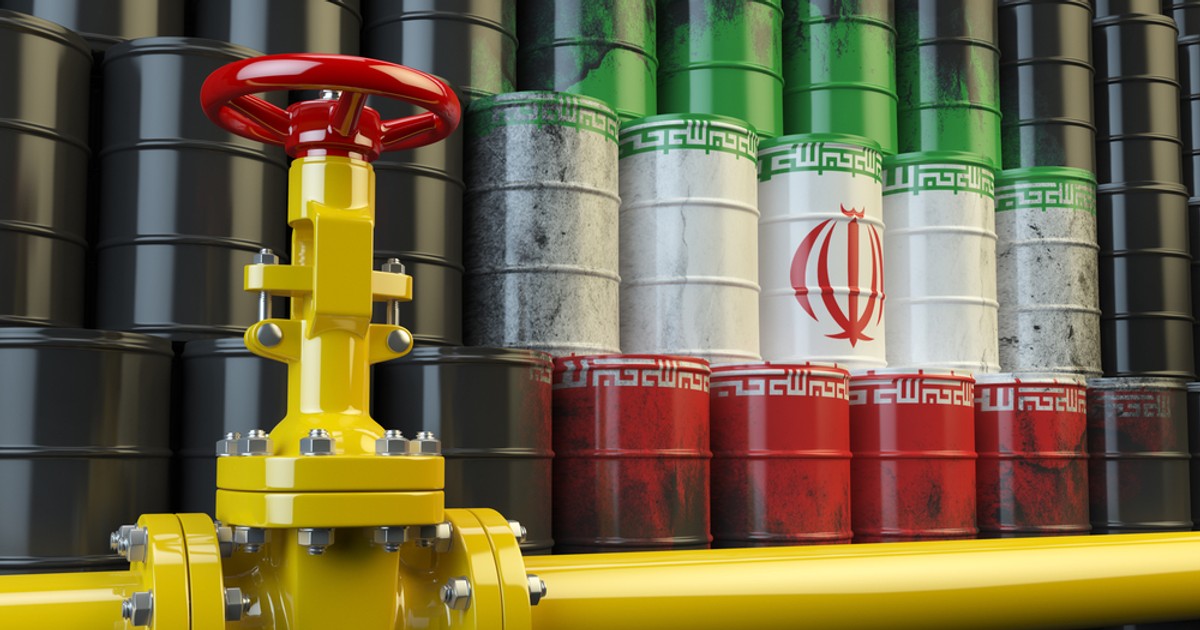
According to the latest US intelligence reports cited by Reuters, Iran does not plan to open the Strait of Hormuz – a key oil transport route – any time soon. Control over this strategic artery is intended to be Tehran's main tool of pressure on the United States, especially in the context of the ongoing war, which does not enjoy the support of American public opinion.
The rest of the article below the video:
The agency's findings indicate that Iran may continue to restrict fuel flows through the strait to maintain high energy prices and put pressure on President Donald Trump to end the conflict. Experts emphasize that Tehran's actions demonstrate its ability to influence global energy markets and strengthen its position in the region.
Intelligence reports also suggest that a war aimed at weakening Iran's military potential may paradoxically increase Iran's influence, demonstrating its ability to threaten one of the world's most important sea lanes.
Trump's changing position
President Donald Trump publicly downplayed the difficulties of reopening the Strait of Hormuz, through which one fifth of the world's oil trade flows. On Friday, he suggested on his Truth Social platform that the United States could quickly restore traffic in the strait and reap the financial benefits from doing so. At the same time, according to an anonymous White House official, Trump expressed his belief that the strait would be opened soon and Iran would not have the right to regulate water traffic after the end of the war. The official also emphasized that the president indicated that other countries were more interested in keeping this route open than the United States itself.
In recent weeks, Trump has been changing his position on U.S. involvement in reopening the strait. Initially, he made the ceasefire conditional on the lifting of the Iranian blockade, and then appealed to the Persian Gulf countries and NATO allies to take the initiative in this matter.
Growing tensions in the waters of the Persian Gulf
Since Donald Trump and Israeli Prime Minister Benjamin Netanyahu began the war on February 28, Iran's Islamic Revolutionary Guard Corps has used a variety of methods to make transit through the Strait of Hormuz dangerous or even uninsurable. Iran has been attacking civilian ships, laying mines and demanding passage fees, which has led to a sharp increase in global oil prices and fuel shortages in countries dependent on raw materials from the Persian Gulf.