Marco Rubio is optimistic after private talks with Iranian officials: There are “fractures” within the Iranian hierarchy

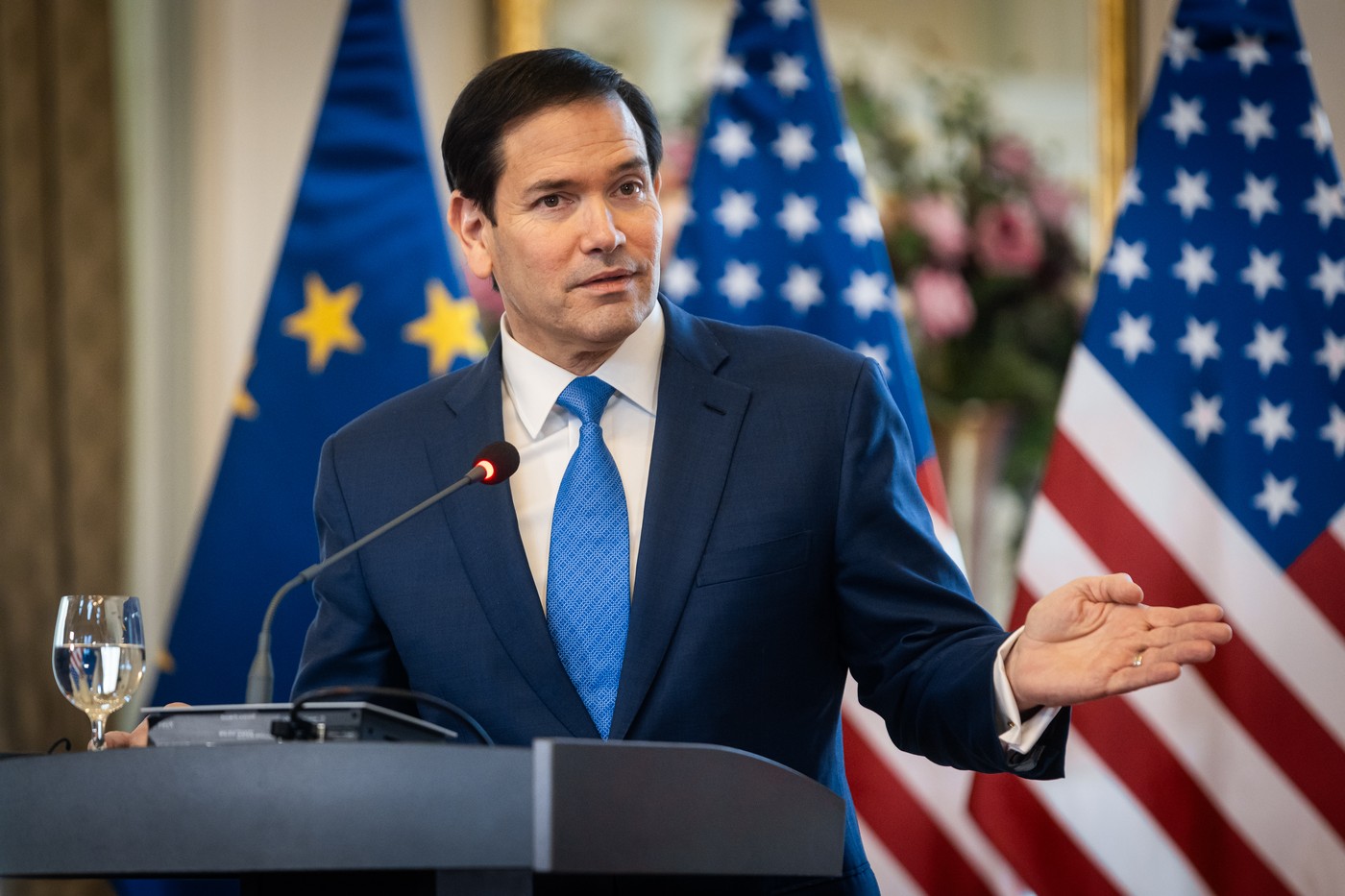
The head of American diplomacy, Marco Rubio, declared himself optimistic on Monday about the possibility of collaborating with certain elements of the Iranian government, stating that Washington has received some positive private messages and, on the other hand, assuring that the US will achieve its “goals” in a few weeks, not months.
There are “fractures” within the Iranian hierarchy, and the United States believes that personalities who have the “power to act” will be imposed, Marco Rubio explained on ABC News' Good Morning America show, quoted by News.ro. “We hope it will be like that”, added the US Secretary of State.
“There are clearly people who are talking to us in a way that those who were previously in charge in Iran were not talking to us about things that they are willing to do,” he said.
President Donald Trump said Monday that the United States is in serious talks with a “new” and “more reasonable” regime in Iran as the war enters its fifth week.
Secretary of State Marco Rubio declined to say who exactly the US is negotiating with. “Well, I'm not going to tell you who these people are, because that would probably put them at risk to other groups in Iran. Look, there are some internal fractures there,” Rubio said. “And if now there are new people in charge who have a more reasonable vision of the future, that would be good news for us, for them, for the whole world,” continued the secretary. “But we must also be prepared for the possibility, perhaps even the probability, that this will not happen,” he warned.
Asked to elaborate, Rubio said, “There are people out there who are saying some of the right things in private. But ultimately, we have to see if those people are going to be the ones who have the power, to see if they're the ones who have the power to do something. We're going to test that,” he said.
Iran denies negotiations with the US
Iranian officials have denied any direct talks with the US, saying the messages were transmitted through intermediaries. Esmaeil Baqaei, a spokesman for Iran's Foreign Ministry, said on Monday: “We have not had any negotiations with America.”
Last week, the US presented Iran, through Pakistan, with a 15-point framework for a peace deal. Baqaei commented on the US proposal in a press conference on Monday. “The information that was given to us (by the US), whatever you want to call it, whether it's 15 points or whatever, contained a large number of excessive, unrealistic and illogical demands,” Baqaei said.
Pakistan's foreign minister, Ishaq Dar, said his country would host talks between the US and Iran “in the coming days”. There has been no confirmation from Iran or the US about when exactly these talks will take place or who will be involved from each side.
On Sunday, Trump told reporters he could “have a deal” done with Iran soon, though “it may not happen.”
The president suggested the talks were moving in a positive direction as Iran allowed 20 oil tankers to pass through the Strait of Hormuz, which Iran effectively blocked after the US and Israel launched attacks on the country last month.
On Monday, Trump continued to praise the progress made, but also threatened major US strikes on Tehran's energy infrastructure and other measures if a diplomatic solution is not reached.