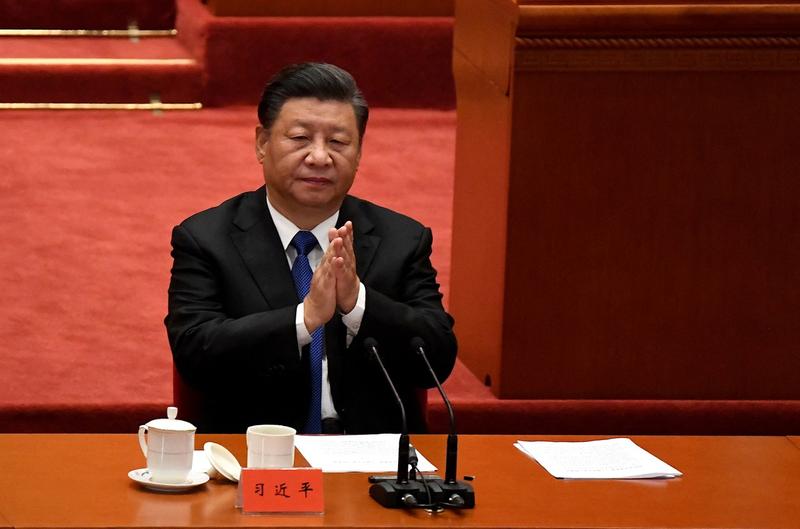
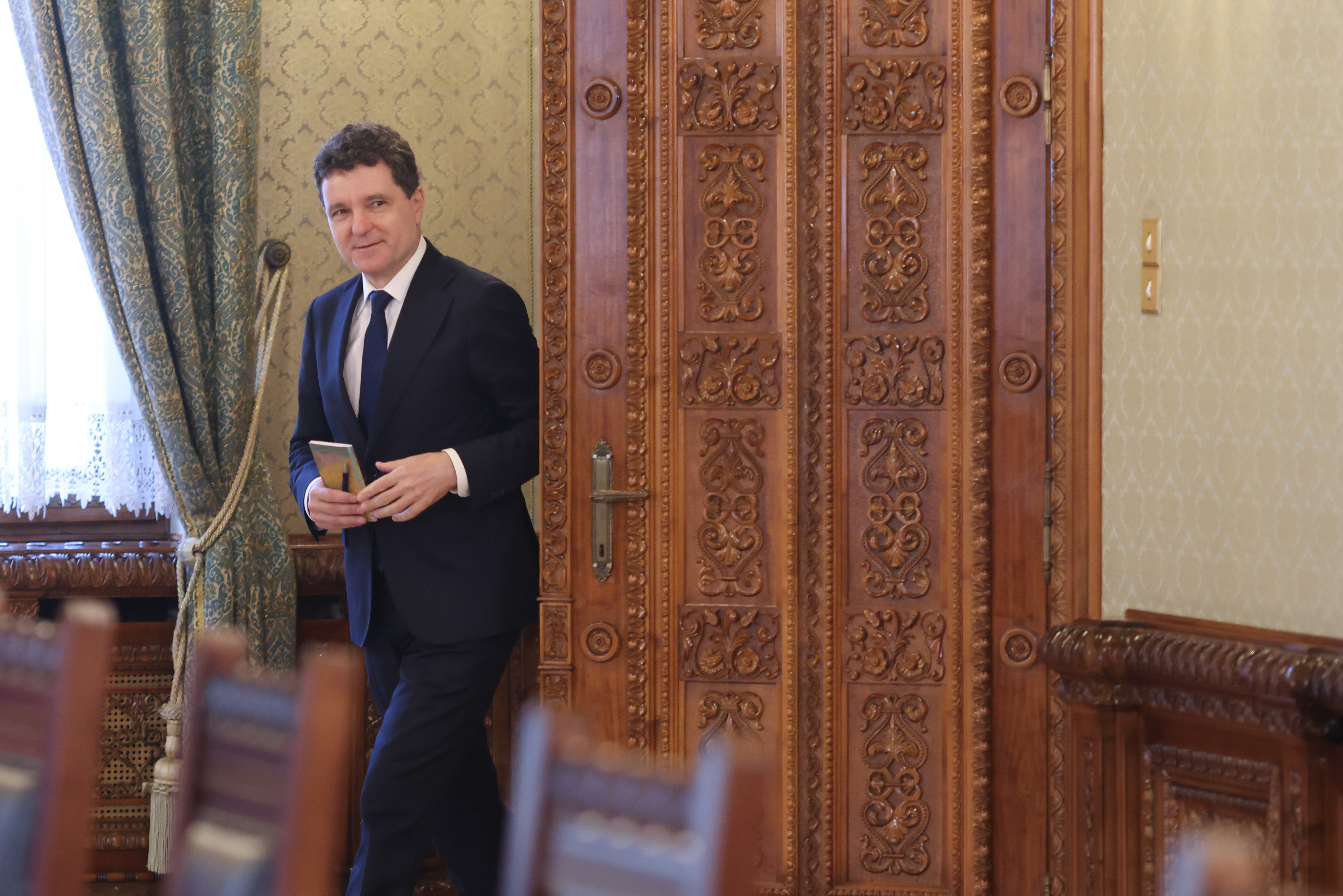
Europe's 6th generation fighter jet project, almost “dead” now, on the table of talks between Merz and Macron

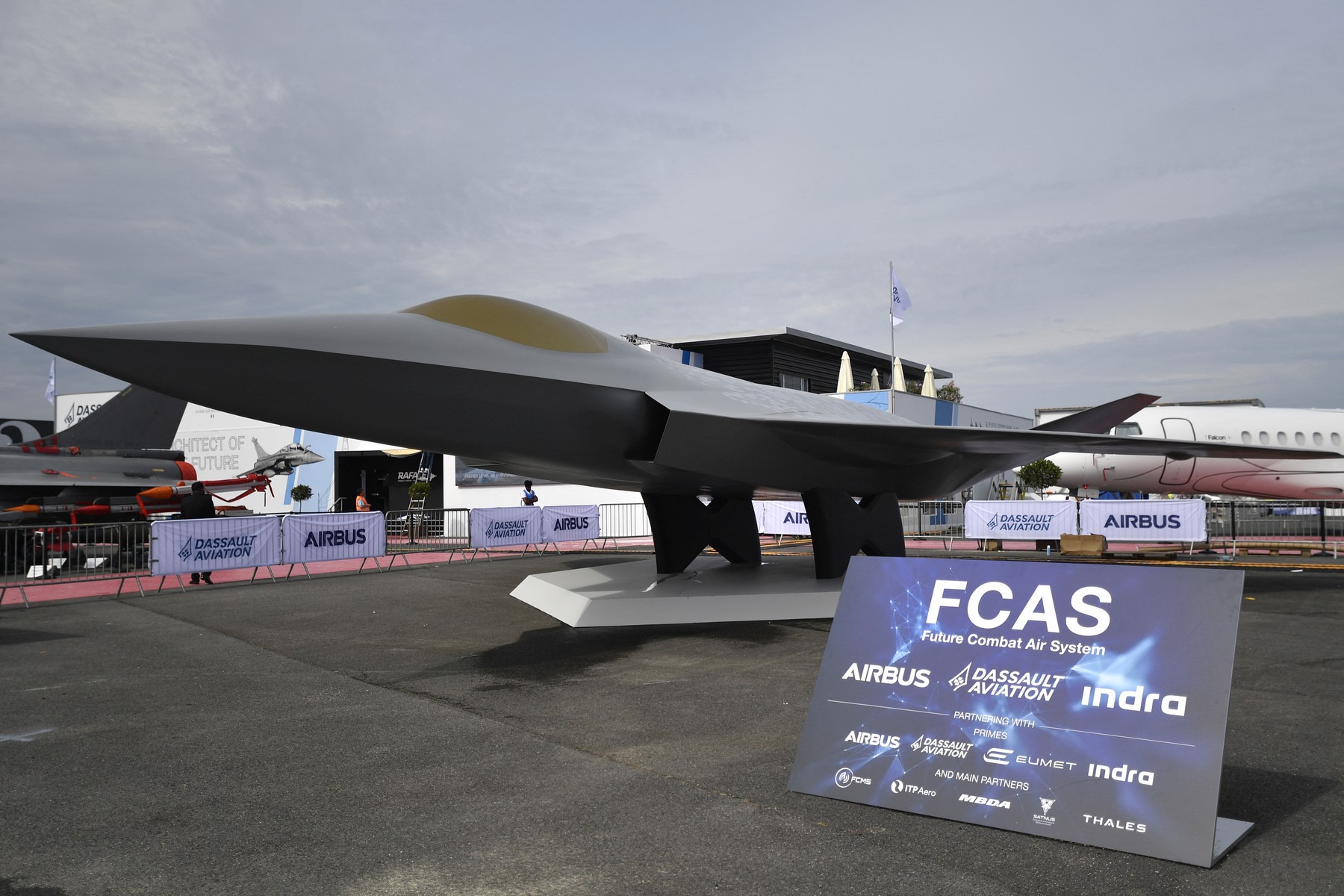
The leaders of France and Germany will discuss Europe's stalled FCAS fighter jet program on the sidelines of the European Union summit on Wednesday, three people familiar with the matter told the Reuters news agency.
Plans to jointly develop a futuristic air combat system with Spain hang in the balance amid a public dispute over control between France's Dassault Aviation and Airbus, which represents Germany and Spain in the €100 billion project.
The French president's press office confirmed that Emmanuel Macron and German Chancellor Friedrich Merz will meet on Wednesday evening ahead of the March 19-20 summit, but declined to say whether they would discuss FCAS. A German government source said the FCAS fighter program was among the topics to be discussed.
Macron launched the project with then-German Chancellor Angela Merkel in 2017, with Spain joining later.
German Foreign Minister Johann Wadephul said he was optimistic that Berlin and Paris would continue to collaborate on all important European issues, including security. The German aerospace industry association BDLI called for “a German-led fighter jet as part of the restructuring of FCAS”.
Current plans call for a digitally connected fleet of manned fighter jets and combat drones to replace the Dassault Rafale and Eurofighter, the latter developed by Airbus, starting in 2040. Manufacturers have argued over the next phase, which involves a flight demonstrator.
Dassault is pushing for clearer control over the core of the project, including the choice of suppliers, while giving the same leeway to Airbus over the parts where it already nominally holds the lead. Airbus says existing agreements, which provide for equality between partners, should be maintained.
Conflict between companies
Relations between the two groups have deteriorated to the point where few involved in the project believe it will go ahead, but any final decision must be made by national leaders, with Macron widely seen as resisting calls from German industry to halt work.
Speaking during a visit to New Delhi last month, Macron dismissed the prospect of industrial disputes overshadowing government decisions on strategic weapons development.
“There have been tensions between companies; this is life in business and in organizations. But should they determine the strategy of states? The answer is no,” said the French leader, in a press conference.
The failure of the Franco-German-Spanish project, also known as the Future Combat Air System (FCAS), to build Europe's sixth-generation fighter jets is likely to trigger a reorganization of alliances in Europe's fragmented defense industry.
Until now, Germany has cooperated in the development of modern fighter jets with Great Britain, which this time is involved in the competing GCAP fighter jet project, along with Japan and Italy.
Sweden, which makes the independent Saab Gripen jet, is considering its own future in the fighter jet market and is also considered a potential partner for Airbus if FCAS collapses.
Dassault Chief's Warning
In early March, the head of French fighter jet maker Dassault Aviation said he had taken note of what he described as Airbus' refusal to work with the company on a next-generation fighter jet and that the FCAS project was “dead” unless that position changed, Reuters reported at the time.
“Airbus doesn't want to work with Dassault, period. We've taken note,” Eric Trappier, Dassault's CEO, said at a press conference to present the company's latest financial results.
Airbus declined to comment.
Asked repeatedly about the fate of the Franco-German flagship project, Trappier defended France's experience in building high-performance fighter jets such as the Dassault Rafale at a news conference and accused Airbus of wanting a heavy-handed Eurofighter Typhoon-style partnership.
“I've said from the beginning that I want clear leadership, not just on paper,” Trappier said, referring to the manned fighter jet component.