Why won't Iran capitulate? The political scientist who predicted the “end of history” calls the “fundamental problem” of war

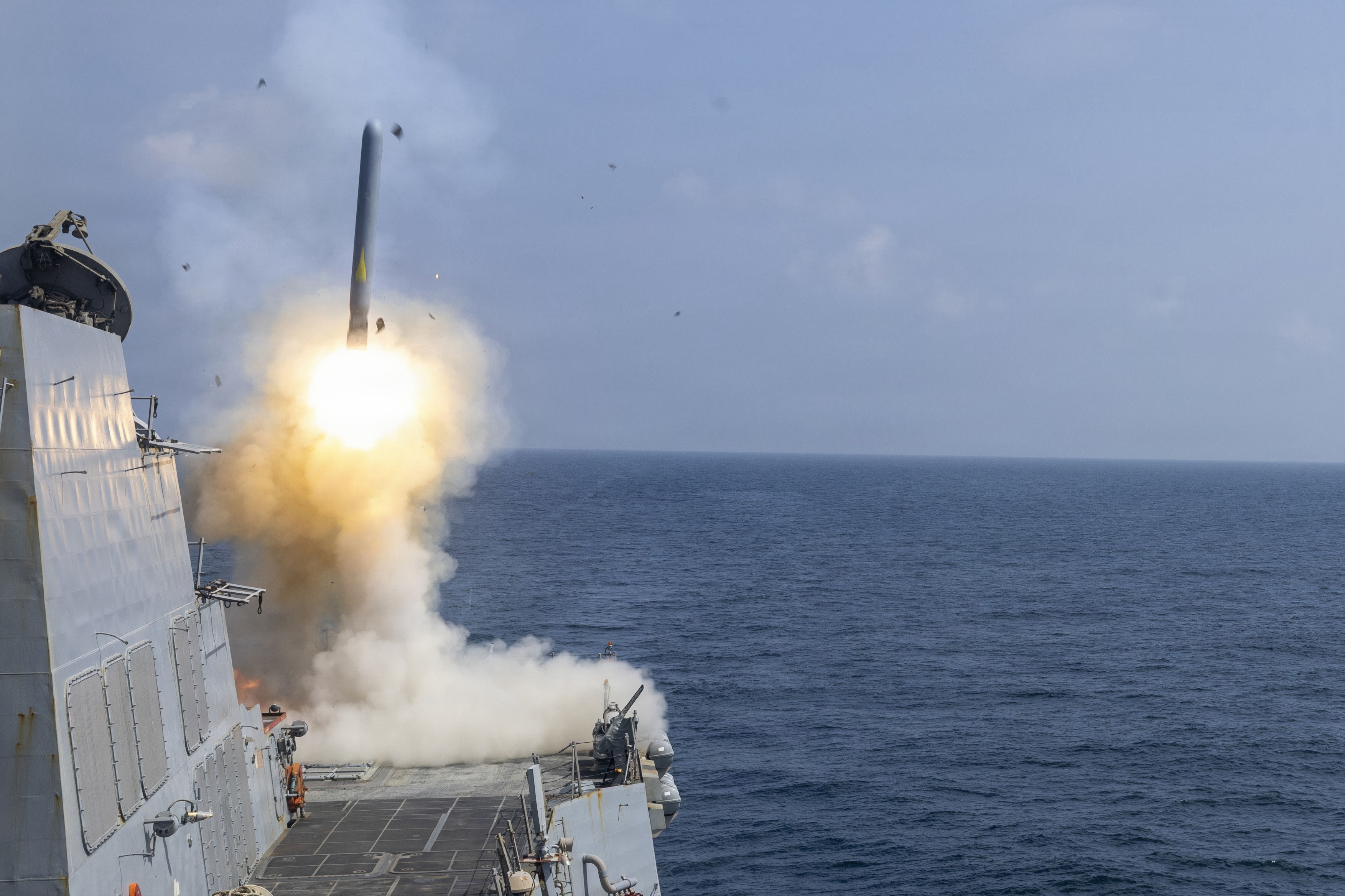
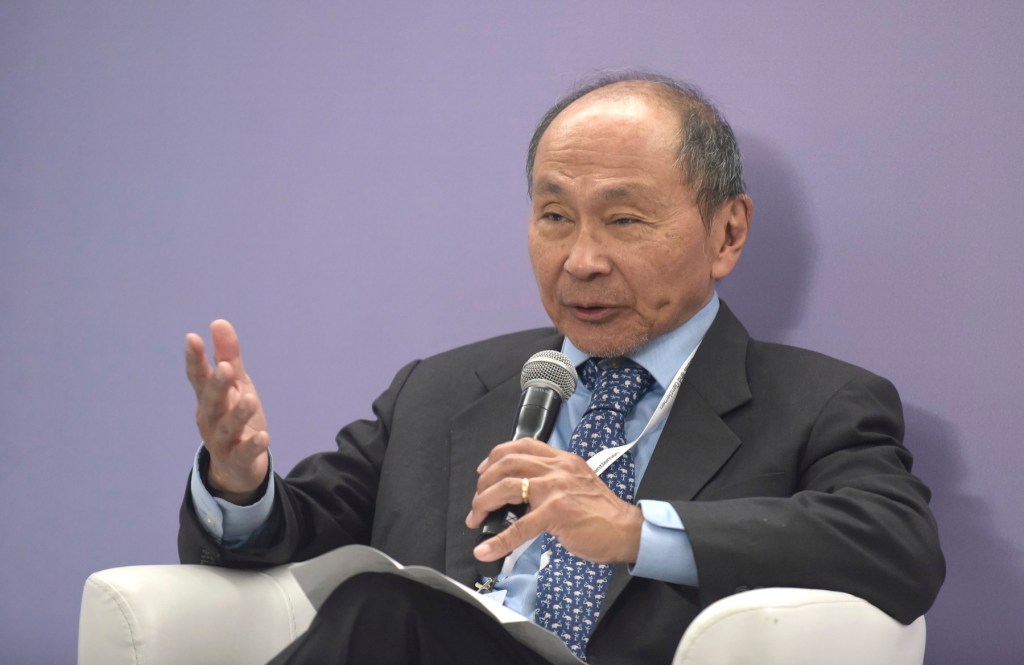
Renowned American political scientist Francis Fukuyama has criticized US President Donald Trump's strategy in the war with Iran, saying that demanding an “unconditional surrender” from Tehran is unrealistic and risks prolonging the conflict in the Middle East.
Fukuyama argues in an op-ed in The Free Press that the leader's statement from the White House last week that the United States wants Tehran's “unconditional surrender” suggests that Trump expected a quick victory, as was the case with the military operation in January when US forces captured Venezuelan leader Nicolas Maduro.
It was not the same case in the Middle East with the US-Israel attack, as the conflict spread across the region and Iran responded with missiles and drones against US bases in US-allied Gulf states.
“It was clear that what was left of the Iranian leadership was not about to capitulate and that the conflict could drag on, as Trump himself acknowledged, for weeks,” says Fukuyama.
According to the political scientist, a pragmatic leader would have set a more realistic goal, such as degrading Iran's ability to launch ballistic missiles and drones. Such an outcome would have allowed Trump to declare victory and reduce military involvement.
Instead, Trump's demand for “unconditional surrender” raised the goal of the war to a level almost impossible to achieve, says the American professor.
Iran's capitulation unlikely, says Fukuyama
Fukuyama also states that, unlike states with a centralized military command, Iranian forces are fragmented, referring to the Revolutionary Guards, the Basij militia, a voluntary Iranian paramilitary organization subordinate to the IRGC, and the regular army.
And the attacks launched by the US and Israel on the regime in Iran may have further weakened the coordination of these forces.
Another reason capitulation is unlikely is the risk that the Iranian regime would collapse from within if it gave up the fight, Fukuyama says.
The clerical regime largely rules by force, and an important part of the population is hostile to it, the political scientist explains. Under these conditions, the armed structures of the regime will not lay down their arms, because they would risk being eliminated.
“The Fundamental Problem”
Furthermore, even though the military infrastructure has been severely hit by Israeli-American bombing, tens of thousands of combatants and some of the military arsenal remain operational.
“The fundamental problem facing the United States and Israel has to do with the limitations of air power,” warns Fukuyama.
He says history has shown the limits of aerial bombing in achieving political objectives, referring to World War II, when massive air strikes on Germany failed to bring down the Nazi regime.
“It collapsed only after the Russians and their Western allies physically occupied Germany,” says the American political scientist.
The international relations specialist gave two examples where strategic bombing produced a clear political result: Japan's surrender after the atomic bombs on Hiroshima and Nagasaki and NATO's intervention in Kosovo in 1999, when military pressure sparked a popular uprising against Slobodan Milosevic's regime.
Three scenarios for Trump
In his view, Trump has three scenarios at his disposal if the Iranian regime does not capitulate: withdrawing and declaring victory, leaving a weakened but still dangerous Iranian regime in power, sending ground troops, which would be a risky decision, both militarily and politically, and expanding the bombing of civilian infrastructure, which “would create great suffering for the Iranian people whom Trump claims he wants to support.”
“After the neutralization of most military targets, subsequent bombings will inevitably affect ordinary civilians, just as the Israelis did in Gaza,” the political scientist believes.
In Fukuyama's view, the demand for unconditional surrender was “a very reckless decision” that could backfire on Trump.
Trump's 'worst mistake'
“I'm tempted to think that Trump just liked the sound of the words, without thinking about how they might backfire,” says the American political scientist.
However, the worst error, he concludes, remains the initial decision to go to war without a clear strategic justification.
Francis Fukuyama is a renowned American political scientist, a senior fellow at the Freeman Spogli Institute for International Studies at Stanford University.
He has written numerous papers on topics related to development and international politics. He is known for his 1992 book The End of History and the Last Man, which appeared in over twenty languages.
In his book, he argued that the end of the Cold War, marked by the fall of the Berlin Wall and the breakup of the Soviet Union, represented the endpoint of humanity's ideological evolution and the universalization of Western liberal democracy as the ultimate form of government.