A European state risks becoming a “narco-state”, the magistrates warn. Mafia networks create a 'parallel power'

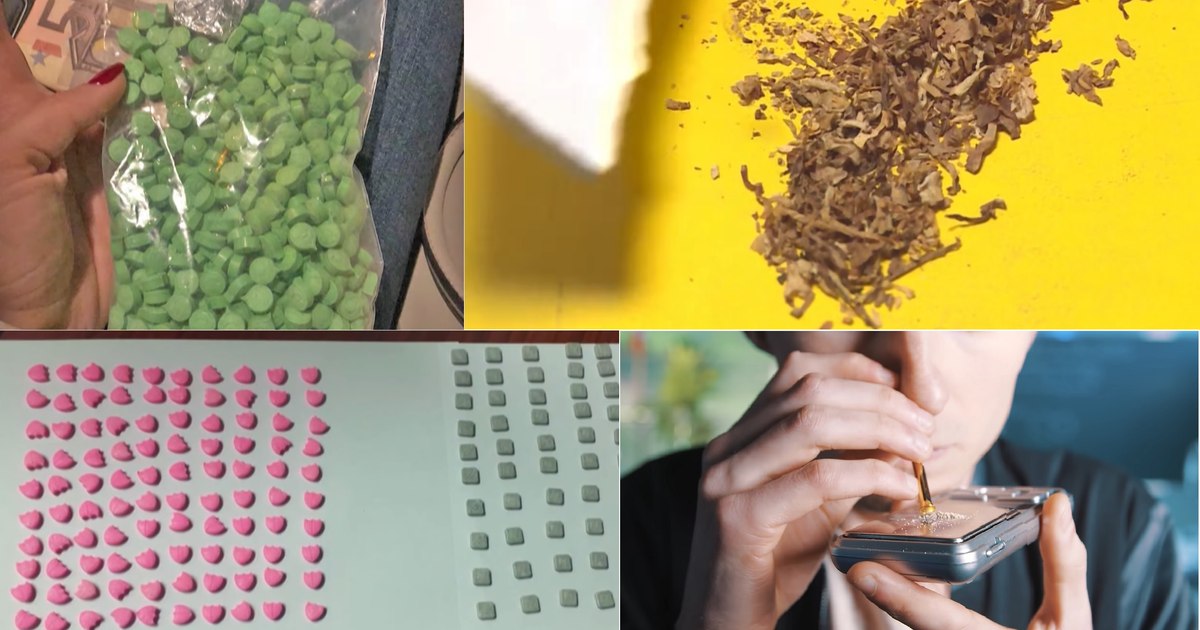
Drug-trafficking crime is a growing danger to social stability in Belgium, a senior judge has warned, after an anonymous magistrate recently argued that the Belgian state is at risk of becoming a “narco-state”, where mafia organizations end up forming a “parallel power”.
Crime generated by drug trafficking is a growing danger. PHOTO: Archive
Bart Willocx, president of the Antwerp Court of Appeal, said in an interview with The Guardian that Belgium is particularly vulnerable to drug-related crime, particularly because of the major role played by the city's port.
The port of Antwerp is one of the most important points of entry into Europe for cocaine smuggled into the continent, particularly from South America.
“The sums of money involved – to influence people, to corrupt them or to bribe them – are so large that they really represent a danger to the stability of our society“said the judge.
The warning about a possible “narco-state”
Last October, an investigative judge in Antwerp took the unusual step of publishing an anonymous open letter warning that Belgium was at risk of becoming a “narco-state”.
The magistrate argued that well-organized mafia networks have taken root in society and function as a parallel power structure that defies not only the police but also the judiciary.
Willocx says authorities are trying to avoid this scenario, but the pressure from organized crime is increasing. “This is a worrying development and represents a real threat“, he stated.
For his part, the general prosecutor for the Antwerp and Limburg regions, Guido Vermeiren, said he shared the concerns expressed by the anonymous magistrate.
“We are becoming a state with a lot of corruption and many threats”he said.
Records of seized cocaine
According to Europol, more than 70% of the cocaine arriving in Europe in 2024 passed through the ports of Antwerp and Rotterdam, although criminal networks are increasingly using smaller ports to avoid controls.
The situation is fueled by the massive increase in drug trafficking from South America, particularly from Colombia.
Data provided by the European Union Drugs Agency shows that a record 121 tonnes of cocaine was seized in the port of Antwerp in 2023. In 2024, the amount seized dropped to 44 tonnes, which could indicate the use of more sophisticated methods of hiding the drugs or the relocation of operations to other ports.
Drug trafficking has fueled violence in Belgium in recent years. Authorities suspect criminal networks were behind a plot to kidnap a Belgian interior minister in 2022 and multiple shootings in Brussels in 2025.
Corruption, violence and the recruitment of minors
Prosecutors describe an organized crime that involves not only drug trafficking, but also violence, kidnapping, torture and money laundering.
According to Vermeiren, the criminals paid over 250,000 euros to a port employee to move a single suspicious container.
Port employees who refuse to cooperate with criminal networks are often threatened. Some received threatening letters or photographs of their children, and others' homes were attacked with improvised explosive devices.
Criminal groups also use minors in their operations. Children as young as 13 are paid small sums to illegally enter the port and retrieve packages of cocaine.
In some cases, the networks help young people get jobs at the port, only to later force them to participate in illegal activities.
Judges under protection
Threats from criminal networks have come to directly affect the judicial system.
Some Belgian judges are forced to live temporarily in protected police shelters. The anonymous magistrate who wrote the warning letter spent four months in such a place.
“One day at a time you have to leave your home, your family and live in a secret place”, Willocx reported.
At the same time, the courts also face security issues. The Court of Appeal in Antwerp has been waiting for almost two years for the installation of scanners to control baggage at the entrance to the building.
Magistrates say the pressure and security risks could lead some judges to avoid criminal cases in the future.
The judicial system, close to a critical point
The anonymous letter was published in the campaign “Five to Twelve”, launched by the courts and public prosecutor's offices in Antwerp to draw attention to the crisis in the judicial system.
The movement began with judges' protests in May 2025 and has grown into a broad campaign for judicial reform.
Magistrates have proposed more than 100 reforms, from improving court security to measures to reduce prison overcrowding and increasing salaries for clerks and judges.
The Belgian government, led by Prime Minister Bart De Wever, has acknowledged the problem, but magistrates say the judiciary is still dealing with the effects of decades of underfunding.
Global criminal networks
The scale of organized drug trafficking became apparent after investigators in Belgium, France and the Netherlands managed to crack the encrypted Sky ECC communications network, used by hundreds of criminals to coordinate drug shipments, money transfers and even assassinations.
Almost five years after the first arrests, Belgian authorities announced that 1,206 people have been convicted so far in these investigations, mostly for crimes related to drugs, violence, corruption and illegal possession of weapons.
In total, nearly 5,000 suspects were identified and the investigation revealed a criminal network that stretched from Dubai to South America.
“It was even worse than I thought,” prosecutor Vermeiren concluded.