Icebreakers operated throughout the Gulf of Finland, also near Estonia and its island of Hiuma, ERR radio reported. According to the Estonian Transport Agency, previously the traffic of Russian icebreakers was concentrated in the eastern part of the Gulf of Finland, including at the entrance to the Russian port and the oil terminal in Ust-Luga. However, this has changed in recent days, and specialized units have started clearing the waterways and convoying ships heading to ports near St. Petersburg, also in the waters of the Estonian and Finnish economic zones. Russian icebreakers are also assisting in relocating ships from the Gulf.
What icebreakers appeared in the Baltic Sea?
What is the reason for bringing down the Sibir icebreaker?
How thick is the ice in the Gulf of Finland?
How many Russian icebreakers currently operate in the Baltic Sea?
10 Russian icebreakers operate in the Baltic Sea
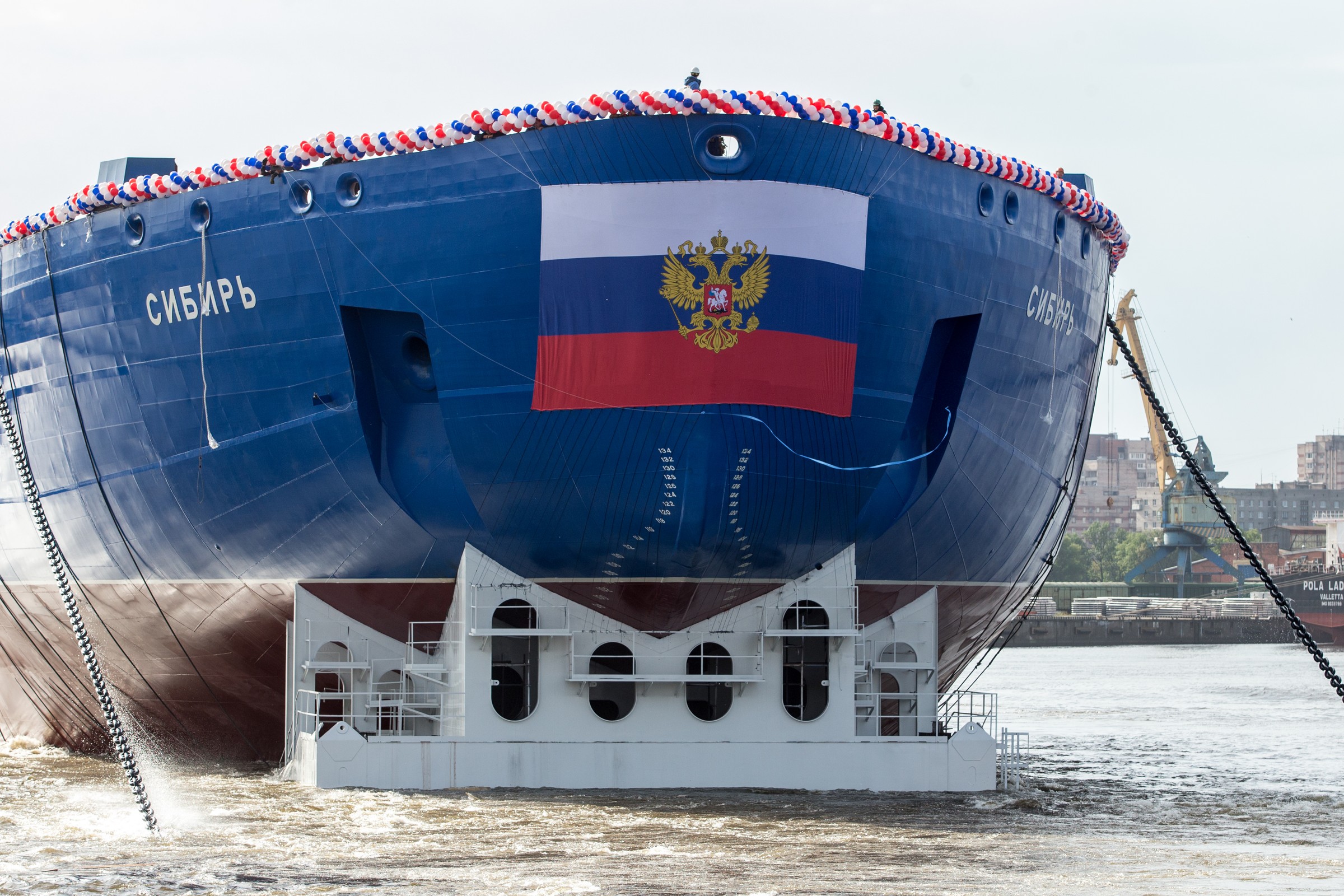
Due to the low temperatures that have persisted since the beginning of January, the ice in the Gulf of Finland is on average twice as thick as in recent years (it is even about 40 cm thick in coastal waters), and the ice cover formed is the most extensive since the winter season of 2010-2011. Such conditions have significantly slowed down freight transport, including the export of key raw materials and fuels for Russia. Icebreakers are supposed to help with this. Downloaded, among others: nuclear-powered icebreaker Sibir from the Arctic, built in 2021.
According to data from the Finnish Coast Guard, there are currently over 10 Russian icebreakers operating in the Baltic Sea, and every day about six ships leave Russia with cargo and the same number arrive with empty holds. It is estimated that about 40 percent Russian oil exports by sea pass through the Gulf of Finland, but a large part of this transport is carried out by outdated “shadow fleet” ships that do not have the appropriate ice class.
The meteorological services, in turn, assume that the ice cover in the Bay will increase until the end of February, after which it will gradually melt, but icebreakers will still be necessary to improve navigation in this part of the Baltic Sea.