– Over the last 30 months alone, investment operations have generated NBP revenues of over PLN 180 billion – he added.
President Karol Nawrocki and the head of the NBP, Adam Glapiński, presented the “Polish SAFE 0% proposal”, which would be an alternative to the EU defense loan program. Glapiński said then that the alternative to SAFE “will not involve any financial interest” and that the central bank does not plan to finance the proposal from “any part of the NBP reserves” – because transferring them would be contrary to the law – while “the funds that will be created will be transferred, as required by law,” to the Armed Forces Support Fund.
The rest of the article is below the video
See also: NBP enters the game. It's about money for the army
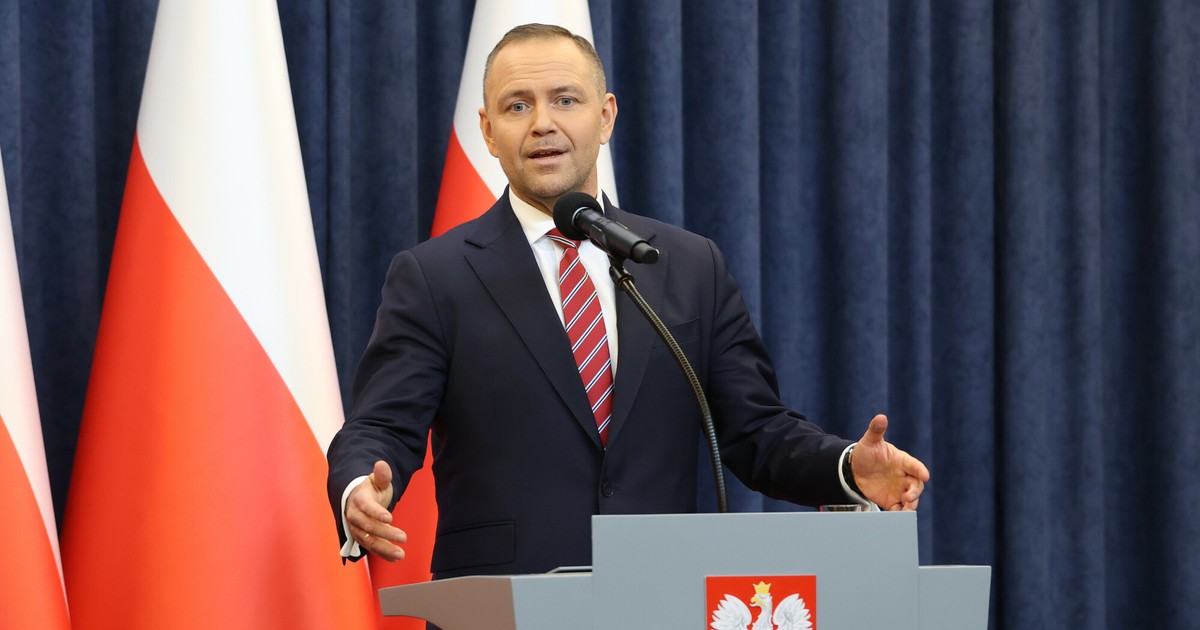
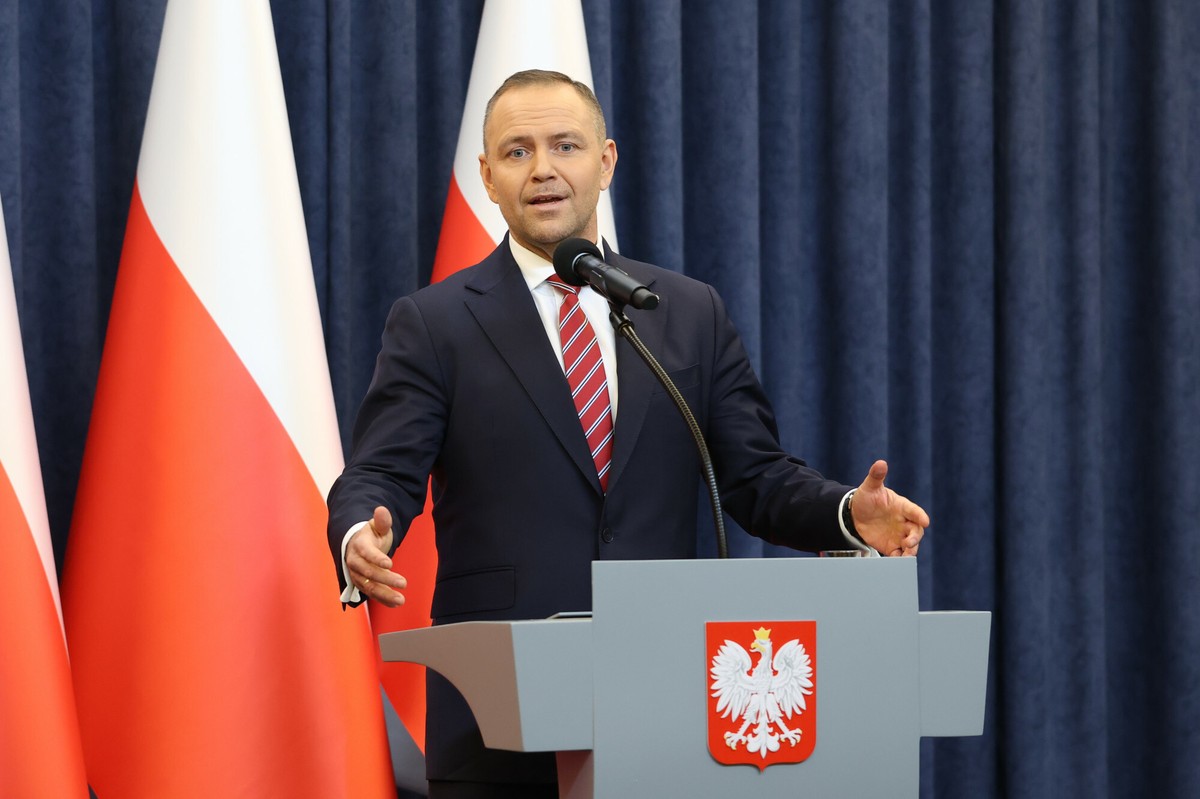
When asked on Thursday in Polsat News about where the money to finance “Polish SAFE” would come from, the president's spokesman said that “we can use funds that, based on investments made on the basis of reserves, can finance the co-financing program.”
Will gold and reserves from the National Bank of Poland go to the army?
— Over the last few years, the National Bank has pursued a very thoughtful and active policy related to investing in currency reserves and gold reserves. We have almost a trillion zlotys in reserves accumulated at the National Bank of Poland, 550 tons of gold and reserves in various currencies, mainly dollars, euros, but also others. Over the last 30 months alone, investment operations using the reserves available to the National Bank of Poland have generated revenues of over PLN 180 billion for the National Bank of Poland. – Rafał Leśkiewicz also said.
He added that this is a solution that “is intended to use the very fact that NBP has reserves to finance purchases for the Polish army, the police and other uniformed services.” “This is one of the elements of this solution,” said Leśkiewicz.
When asked whether it was about the profit earned by the NBP's foreign currency and gold reserves, he replied “of course”. – This is based on the reserves available to the National Bank of Poland – he added.
He denied that the use of NBP reserves in the manner presented was contrary to law, because – as he said – we were talking about the profit generated from the reserves, and not about financing directly from the National Bank of Poland.
– This is one of the elements we want to work on and we want to talk about it with the Polish government, because it will certainly require legal solutions – said the spokesman. He added that, according to the assurances of the President of the NBP, these funds will be available “quickly, provided that the appropriate legislative process is carried out quickly.” He also recalled that the president announced on Wednesday that if necessary, he would take a legislative initiative himself.
When asked why such a solution had not been proposed earlier, Leśkiewicz replied that “this is a natural question.” – Well, it would be worth asking the Prime Minister and the Minister of Finance, who want to bring President Adam Glapiński to the State Tribunal instead of talking to him, said the president's spokesman. He also added that the NBP “is an apolitical institution, not affiliated with any political option.”
The president's spokesman was also asked whether the proposal presented on Wednesday was not – in fact – a justification for the president's veto to the bill regarding the implementation of the EU SAFE defense loan program. – No, this is not a justification for the veto, it is a presentation of a specific proposal to the government – said the spokesman. He reminded that there is no presidential decision yet regarding the act implementing SAFE.
On Wednesday, President Nawrocki noted that loans under the EU SAFE program are to be repaid by 2070. Among its disadvantages he mentioned, among others: conditionality of disbursement of funds, emphasizing that “the scope of conditionality included in SAFE is a threat to the stabilization and development of the Polish armed forces.”
In recent days, government representatives have repeatedly appealed to the president to sign the act implementing SAFE. According to the government, most of the money from SAFE is to be used for the purchase of military equipment manufactured primarily in Polish plants. The “shopping list” was prepared – according to the Ministry of National Defense – by the General Staff of the Polish Army and the Armament Agency responsible for purchasing equipment for the army.
Under the EU instrument, the Polish government will be able to use approximately EUR 43.7 billion in loans with favorable interest rates and spend them on defense investments. According to the government's declaration, over 80 percent the money is to be spent in the Polish arms industry.