What influencers don't say about Hashimoto's thyroiditis? Dr. Anca Sîrbu, MedLife: “Elevated antibodies do not mean that you are sick”

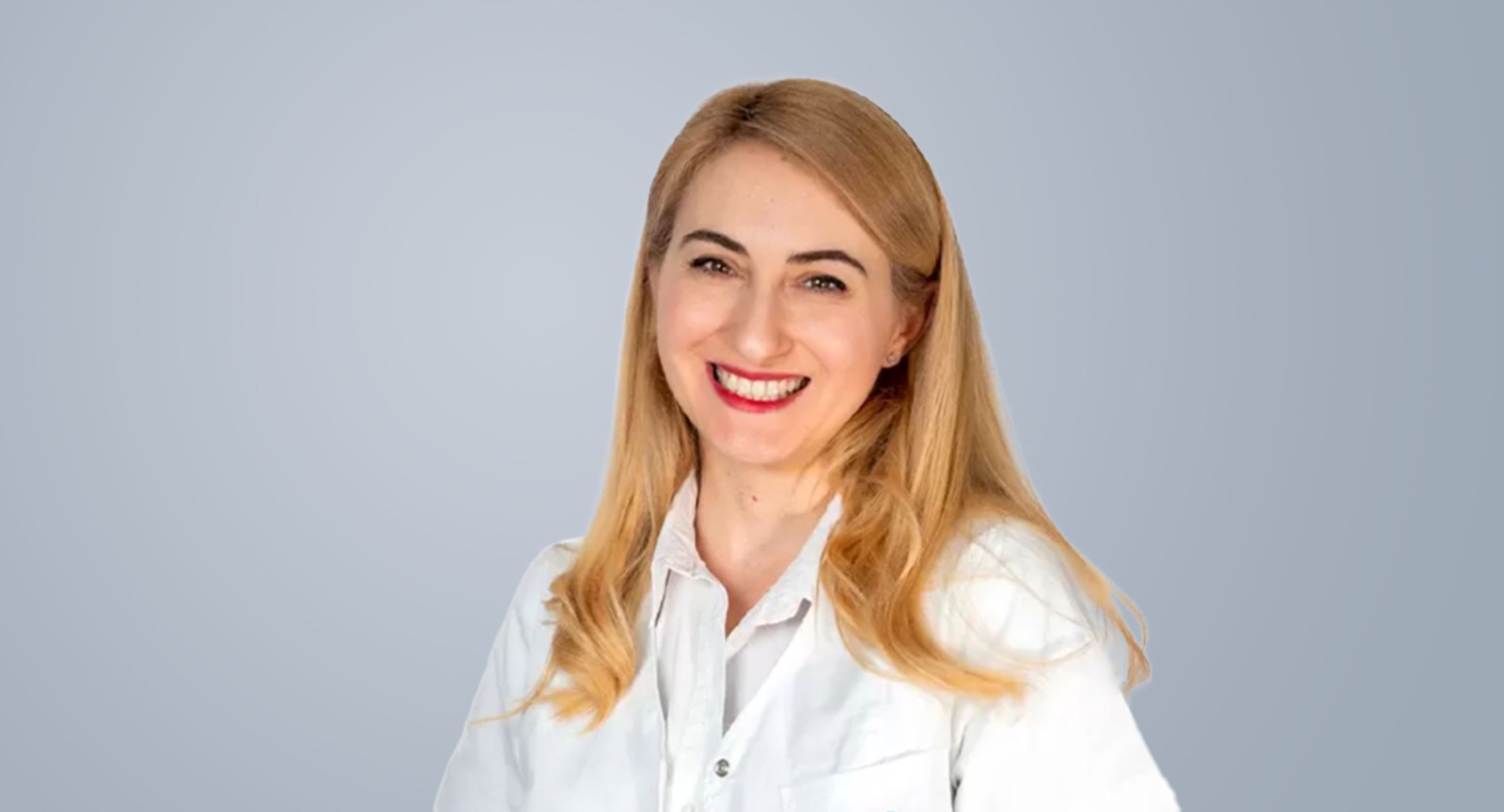
On social media, thyroid problems seem clear, and so do the solutions: high thyroid antibody levels are “treated” with a gluten-free diet and a few supplements that promise to regulate hormone balance. Many of those to whom such information reaches follow these recommendations, but the reality, says Dr. Anca Sirbuendocrinologist in the framework MedLife Panduri Clinicsis much more nuanced. In a wide-ranging interview with HotNews, Dr. Sîrbu explains why elevated thyroid antibodies (eg, ATPO) do not automatically mean a disease diagnosis, why a gluten-free diet does not cure the thyroid, and what selenium—the only supplement supported by serious studies—really does.
By far, thyroid pathology occupies the first place in the endocrinology office. And of all thyroid conditions, chronic autoimmune thyroiditis (Hashimoto's), with or without hypothyroidism, is the most common.
“Patients are tired, asthenic, have trouble concentrating. Although they sleep enough, they still wake up in the morning tired and cannot optimally support their activity. That mental fog, which has been talked about lately”, Dr. Sirbu describes the classic picture of the patient with hypothyroidism. In women, menstrual disorders can also occur, and in rare cases, the condition can even affect fertility.
Another frequent group of patients comes for thyroid nodule monitoring. “Nodules are very common in the general population, especially in women over 40. Approximately one in two patients has nodules, so around 50%. But most are benign and only require monitoring,” explains the doctor. Monitoring is usually done at 6-12 months initially, and thereafter the interval is determined individually, depending on the size and characteristics of the nodules.
How do hormones affect mood?
There is a clear influence between certain hormonal imbalances and mood problems, says Dr. Sîrbu. Both hypothyroidism and hyperthyroidism can be associated with mood disorders or worsen pre-existing conditions.
“There are many patients who go to the endocrinologist for a hormonal evaluation, on the recommendation of the psychiatrist”, says Dr. Sîrbu. Thyroid function is part of the initial screening in patients with anxiety or depressive disorders. The less good news: Balancing your thyroid treatment doesn't solve the problem on its own. “The condition of the anxious or depressed patient who also has hormonal imbalances can improve, but most of the time, it also requires associated psychiatric therapy”, states the endocrinologist.
What does elevated ATPO really mean?
Thyroid antibody levels are a topic that generates a lot of posts and reactions on social media. “#Hashimoto's disease” or “#Hashimoto diet plan” have thousands of results on TikTok alone. The prevalence of Hashimoto's thyroiditis, diagnosed on the basis of elevated values of thyroid antibodies (for example, ATPO), is estimated at 5%-10% of the population, being more common in women, according to recent data. Many people who receive this diagnosis end up attributing many of their symptoms – weight problems, bloating, fatigue, inability to concentrate, dry skin – to elevated antibody levels.
Dr. Sîrbu says, however, that “the diagnosis of autoimmune thyroiditis means that we have the presence of antibodies in the blood. But there are people who have these antibodies and never develop hypothyroidism and do not need treatment”.
Moreover, the exact value of ATPO is not clinically relevant. “We don't have a marker to help us know when the disease will occur or if it will occur. The one with ATPO 37 and the one with 1,000 both have autoimmune thyroiditis. But we don't know that the one with the lower value will later develop hypothyroidism,” exemplifies the endocrinologist.
The immune system is dynamic: antibodies can increase in the context of any inflammation or infection and decrease in states of immunosuppression. “There is no relevance to their value after the diagnosis has been established. We are interested in monitoring the function after six months – TSH and FT4 – and, if hormonal imbalances appear, then we intervene with medication.”
The doctor's bottom line is that if you have been found to have elevated ATPO, no treatment is necessary in the absence of documented thyroid dysfunction. All Hashimoto's thyroiditis posts that have no scientific evidence behind them really do is fuel anxiety. The specialist's recommendation is that, after obtaining increased ATPO results, you should go to the endocrinologist, have a thyroid ultrasound at least once and monitor the function every six months – by evaluating TSH and FT4.
The Gluten Myth and Other Evidence-Free Diet Recommendations
One of the most widespread myths that Dr. Sîrbu encounters among patients is the belief that a gluten-free diet helps the thyroid. “If celiac disease is not associated, the gluten-free diet is not recommended in autoimmune thyroid pathology,” says the doctor.
Celiac disease is a relatively rare digestive condition, diagnosable through specific tests (antibodies dosed in the blood). “Diet is medicine, indeed, in celiac disease, but no connection between the gluten-free diet and Hashimoto's thyroiditis has been proven,” emphasizes the endocrinologist.
The problem is that many people with elevated ATPO, without actual thyroid dysfunction, look for solutions on the internet and end up on this diet. They already feel ill because of the diagnosis itself, which amplifies the perceived symptoms.
What Selenium Really Does – The Only Supplement With Solid Science
Of all the thyroid supplements that patients take, selenium is the only one with serious studies behind it. “It has been clearly demonstrated that the titer of antibodies decreases”, says Dr. Sîrbu.
But here too there is an important nuance: “We do not have clear evidence that, if the level of antibodies has decreased, patients will not develop hypothyroidism, that is, they will not end up requiring drug treatment”, the doctor emphasizes.
Dr. Sîrbu recommends it in selected cases: patients with mild, non-specific symptoms, with TSH at the upper limit of normal, without the need for replacement therapy. “After 3-6 months, we repeat the analyzes and see the clinical evolution.” He doesn't recommend haphazardly taking selenium supplements by ear, and insists that it's more important to get selenium from your diet than from supplements.
Myth number one in endocrinology: “After diagnosis, I started gaining weight”
“By far, the most widespread myth in endocrinology is “I'm getting fat from the gland”, says Dr. Sîrbu. The reality is that patients with hypothyroidism can accumulate 2-3 extra pounds, but exclusively from water retention. Once the thyroid function is balanced, they are eliminated. “Excess pounds and obesity are not caused by the thyroid,” emphasizes the endocrinologist.
Daughters taking their mothers for endocrinological check-ups
A phenomenon that Dr. Sîrbu observes in the office is that young people monitor themselves more carefully and quickly detect a possible autoimmune thyroiditis (Hashimoto's) or other thyroid problems. Knowing that the genetic component is important for some of them, more and more patients bring their mothers to the check-up. “Most of the time, I found either thyroid nodules or an autoimmune thyroiditis. But not with severe clinically manifest hypothyroidism – but with non-specific symptoms, with which they lived for years.”
***
Read other informative articles on medical topics in the Make Romania good section.
This article is supported by MedLife, the largest network of private medical services in Romania, and is part of an extensive information and education effort, dedicated to prevention and a long-term healthy lifestyle.
At MedLife, health is approached with care and responsibility, starting from the real needs of each patient. Medical decisions are based on complex evaluations, supported by multidisciplinary teams of good doctors and state-of-the-art technologies. Through modern diagnostic and treatment solutions and, more recently, genomics expertise and the possibility of early identification of risks for common and lifestyle diseases, MedLife aims to help people take better care of their health.
The objective is clear: active prevention and timely intervention, before health problems affect the balance and quality of life. Because health means more than the absence of disease. It means energy, mobility and balance, at any age. MedLife is constantly investing in solutions that support sustainable health and contribute to a life well lived, not just today, but over the long term.
More information about the available services can be found at https://www.medlife.ro/.
Article sponsored by MedLife