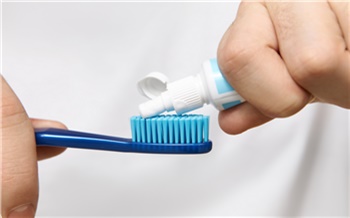
Dentist-therapist, chief physician of the University Center of Dentistry of Krasnoyarsk State Medical University Zhanna Batrak told how to choose the right toothpaste.
According to the specialist, when selecting It is important to take into account the type of paste, composition and other criteria, and most importantly, the recommendations of dentists. In addition, withFirst you need to understand that two processes can occur in the oral cavity – demineralization and remineralization. The first is the dissolution of the crystal lattice; this precedes the development of caries, since weakened enamel becomes more vulnerable to the effects of bacteria and acids. The second and main thing is the restoration of the crystal lattice. Normally, this process occurs naturally thanks to saliva. However, sometimes the body cannot cope on its own.
“Remineralization of tooth enamel occurs with the help of calcium and minerals. And to maintain the result, in most cases fluoride is needed. And here we must dispel the myth that fluoride is harmful and you need to choose toothpaste without it. Of course, fluoride pastes are contraindicated for children from 0 to 3 years old, as they should not be swallowed. In adolescence, for example, fluoride preparations can be prescribed to strengthen the crystal lattice. They are indicated after professional hygiene, especially if the child has multiple caries, a lot of fillings, poor teeth cleaning, if this is a special child,” said Zhanna Batrak.
Dentist notedthat when prescribing fluoride toothpastes, it is important to assess the risk of fluorosis. This is a chronic disease of the hard tissues of the tooth, when excessive consumption of fluoride disrupts the process of enamel mineralization. Permanent teeth are most often affected, and in rare cases, milk teeth in children are affected. Children aged 3–4 years are at risk if they have consumed water with a high fluoride content for three or more years. This disease also occurs in adults who work in industries with high levels of fluoride in the air.
Also, when choosing a toothpaste, you need to take into account the abrasiveness index. For example, dentists do not welcome tooth powder because of its high ability to abrade the tooth surface. Toothpastes are gentler, but they also have different levels of abrasiveness. This indicator should be indicated on the packaging of toothpaste: numbers next to the abbreviation RDA (international designation) or RIA (Russian abrasiveness index).
Children under 3 years old need a paste with the lowest abrasiveness index – from 0 to 30. You cannot brush children's teeth with paste for adults, since a child's tooth enamel is thin and vulnerable. Pastes with an index of up to 50 have low abrasiveness. Dentists prescribe such pastes to patients with hypersensitive teeth.
Pastes with an index of 51–90 have medium abrasiveness, they clean effectively, and are suitable for adults for regular daily care and gentle whitening. Abrasiveness index from 100 and above stands forthat the paste can intensively clean and whiten. However Such pastes can be used in short courses no more than 2 weeks and only after consulting a dentist. If used uncontrolled, there is a high probability of damage to tooth enamel.
According to specialist, medicated paste is recommended if the patient has problem gums or mucous membranes; preventive – if the picture in the oral cavity is generally favorable and it is necessary to maintain it in this condition. The most common type of toothpaste is therapeutic and prophylactic.
The expert emphasized that toothpaste should be safe, especially if you have dental problems. The paste can and should contain calcium, magnesium, phosphorus, plant enzymes, bioavailable mineral compounds, xylitol and other anti-caries substances, remineralizing components. Pastes for heavy smokers contain the enzymes bromelain and papain, which dissolve plaque.
Newslab now in MAX. News is also published in OK | VK | Zen | Telegram