Air paralysis after the escalation of the conflict in the Persian Gulf. Markets are reacting

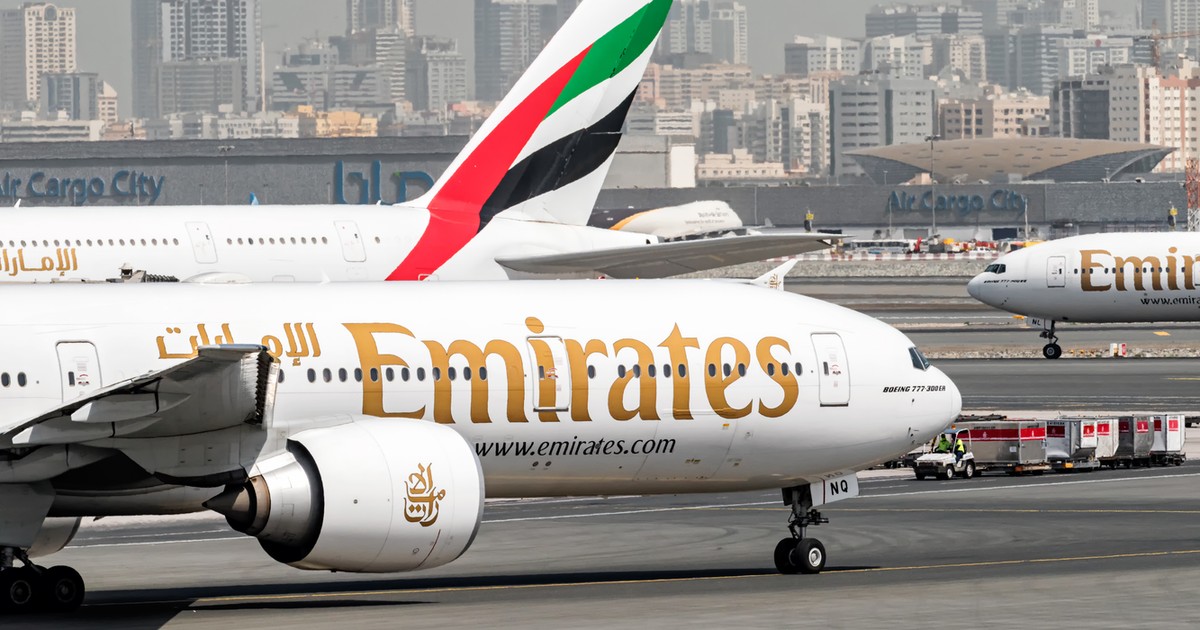
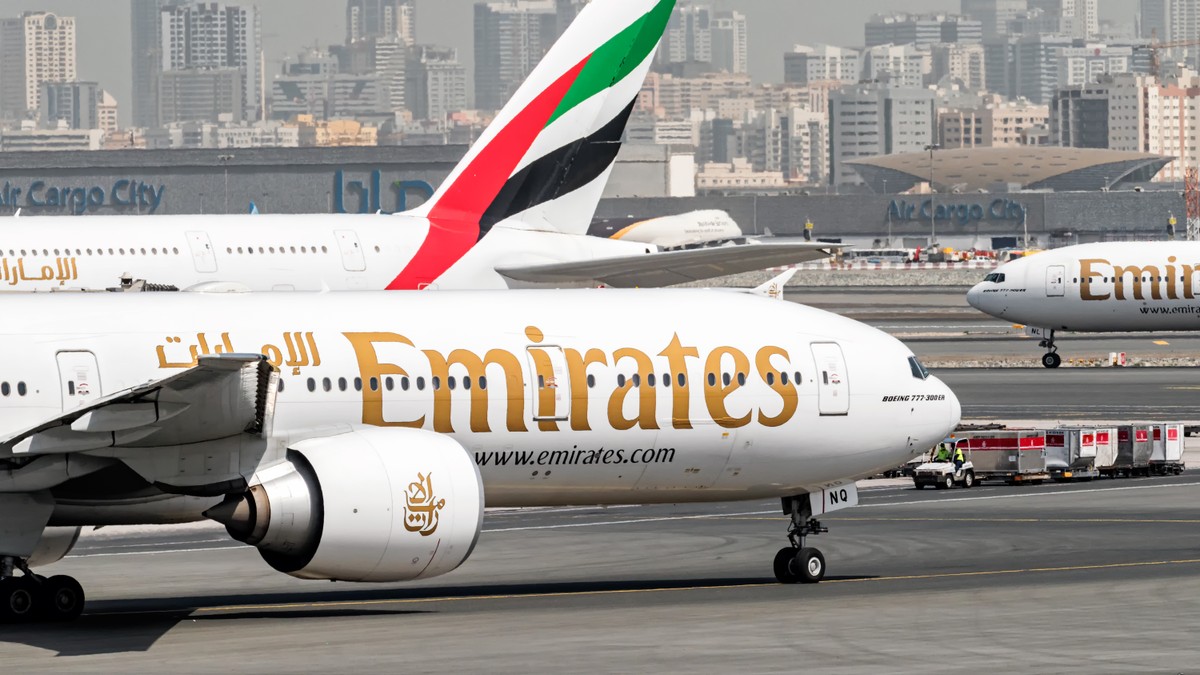
Dubaithe world's largest port for international traffic, remains closed for the third day in a row. The situation is similar in Abu Dhabi and Qatar.
FlightAware data, cited by The Guardian, shows that over six thousand flights were canceled over the weekend. flights. More than 1,200 more flights were canceled on Monday morning. Passengers are stuck at airports in Asia, Europe and the Middle East, and carriers warn that the chaos will last for at least several days.
Most affected lines:
- Emirates — all flights to and from Dubai suspended until 15:00 UAE time,
- Etihad — interruption of operations until 14:00 UAE time,
- Qatar Airways — flights suspended due to closed airspace.
According to experts This is the biggest disruption to air operations since 2020. – writes The Guardian
Read also: Gas prices go up sharply. The consequences of the US attack on Iran are multiplying
Empty airspace over the Middle East
According to Flightradar24, traffic over Iran, Iraq, the UAE, Qatar, Israel and Bahrain practically came to a standstill. This is particularly problematic because the corridors over Iran and Iraq became crucial after the closure of the airspace of Russia and Ukraine.
Now – as analysts point out – the possibilities of avoiding the conflict are beginning to run out.
With Israeli airstrikes on Beirut's southern suburbs, Lebanon's airspace was also completely closed. The airlines have a problem with crew rotation, which is stuck in different parts of the world. This makes it even more difficult to quickly restore the connection network.
Read also: The zloty exchange rate reacts to tensions in the Middle East. The currency is losing ground against the euro and dollar
Private jets storm Saudi Arabia
While most passengers wait for hours for information about timetable changes, the wealthiest are looking for alternatives.
According to Vimana Private, the cost of a flight from Riyadh to Europe ranges from up to 350 thousand hole.. Saudi Arabia has become the only stable option in the region – its airspace remains open.
Unprecedented disruptions to logistics and trade
Experts emphasize that such a long airspace closure and the blockade of all three main transit hubs of the Persian Gulf are unprecedented. The region is also key to cargo transport, which translates into further disruptions to global trade.
Markets react – stocks fall and oil prices rise
Airline prices fell: Japan Airlines by 5.6 percent , Singapore Airlines by 4.5 percent , Qantas by 5.4 percent , Cathay Pacific by 2.9%.
Simultaneously oil prices Brent rose by up to 13%. , reaching $80. per barrel. Experts predict that they can reach up to $100.
Read also: The Middle East has inflamed the situation on the markets. Gold prices started going up
Airlines are redirecting flights to more complex routes, but the available corridors are decreasing. Additionally, the situation is complicated by the tense situation on the border between Afghanistan and Pakistan.
Even after airspace reopens, analysts predict that global networks will take days — and in the case of cargo, weeks — to recover.