The Nzerekore mine is named Simandou, after the hill, and is a good starting point to understand why the development of Africa's attractive metals and minerals is so crucial to the continent. Simandou shows the enormous potential of the African mining industry, the numerous risks associated with it and – equally important – its geopolitical character.
At the same time, this mine is an example of how expensive and troublesome it is for countries such as Guinea to extract sought-after minerals and metals from the ground and introduce them to the world market.
The surrounding infrastructure is limited and securing sufficient risk capital is a constant struggle. Simandou has also been struggling with both corruption and environmental criticism for years.
Rival foreign corporations, changing military regimes, disputed mineral rights and years of teetering on the brink of profitability have repeatedly threatened to sink Simandou.
The article continues below the video
After successive coups, tense transformations and repeatedly broken negotiations, Colonel Mamady Doumbouya – when he took power in 2021 – established a technocratic cabinet. He appointed Bouna Sylla – long perceived in the Guinean mining administration as a steady technical hand, not a political actor – as mining minister. Sylla's appointment was a signal that the regime intended to rebuild relations with the mining giants and save Simandou. And everything indicates that it was a success.
In terms of the number of problems and challenges that Simandou has to face, it does not differ from many other largest industrial mines in Africa. However, the green hills of Nzerekore are in a league of their own. This is visible when we take a closer look at the geopolitical context of the mine.
Simandou is largely a Chinese venture. The British-Australian mining giant Rio Tinto is involved [który ma za sobą miliardy z duńskich funduszy emerytalnych]but most of the money comes from companies in China and Singapore, as does most of the iron ore, which is to be exported to Chinese steel producers.
The US enters the game
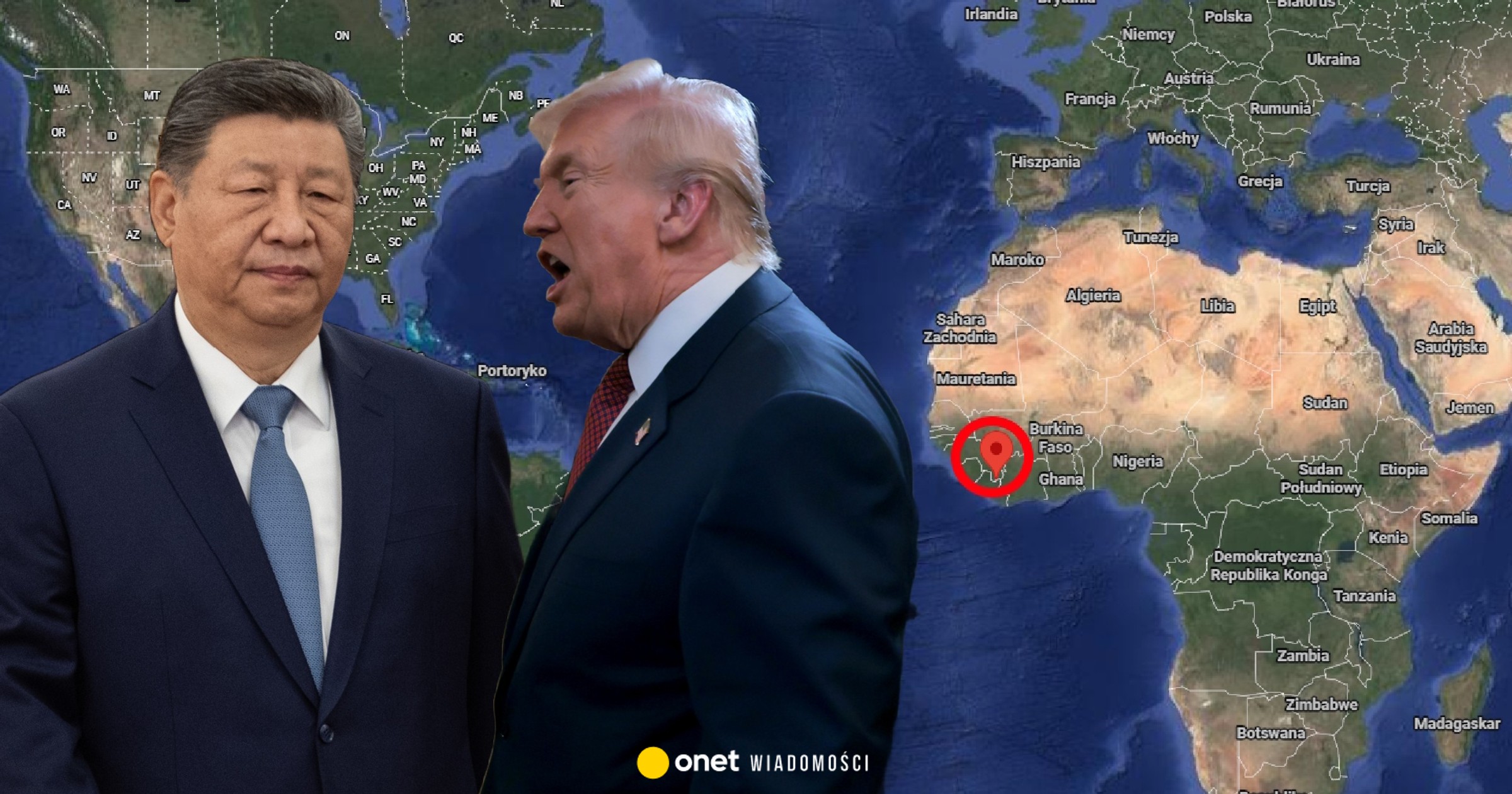
This was understood in the United States, where the Trump administration became involved in the so-called Liberty Corridor, a new railway line that will connect Kon Kweni, the rival [choć znacznie mniejszy] mining project, located 200 km from Simandou, with access to the coast in neighboring Liberia.
Kon Kweni is owned by Ivanhoe Atlantic, whose CEO, Dr. J. Peter Pham, was a prominent diplomat for Africa during President Trump's first term, as was the company's founder, Robert Friedland, who maintains close relationships with those closest to the US government.
Most recently, Friedland was present when Donald Trump announced Project Vault, a $12 billion initiative. [43 mld zł według obecnego kursu walut]whose purpose is gathering key raw materials into American warehouses before they all go to China.
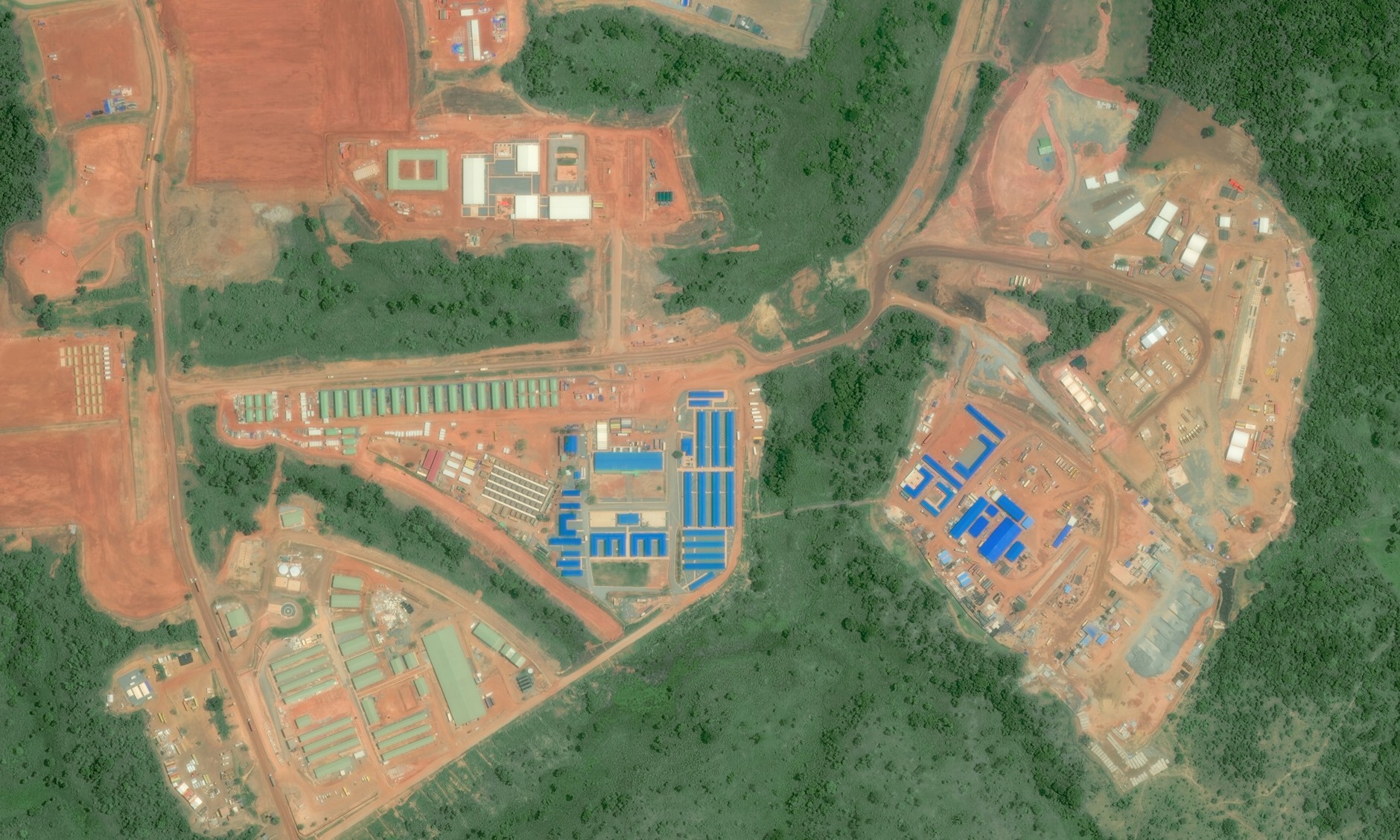
A close-up of a Maxar satellite image shows developments associated with units 1 and 2 of the Simandou iron ore project in southeastern Guinea.Maxar Technologies/Getty Images
Where two fight, the third benefits
After almost 30 years of effort, Guinea's mining industry is starting to gain momentum. Simandou has finally started shipping iron ore to global markets, and according to the plan, Kon Kweni will be ready for production in 2027. The prospects are far-reaching.
The iron ore in Nzerekore is of the highest quality, which drastically reduces the use of carbon dioxide in steel production. AND export earnings could make Guinea's economy one of the fastest growing in the world.
Many questions still remain unanswered. Can the United States catch up with China in Guinea? How much influence will China have on Simandou exports? What about European steel producers – will they contribute to exports? Can Guinea ensure that mines also contribute to local development and job creation?
However, the very fact that iron ore has already started to be exported from the country is a significant victory for President Mamady Doumbouya. Guinea entered its own Iron Age.
I’m Ashley Davis as an editor, I’m committed to upholding the highest standards of integrity and accuracy in every piece we publish. My work is driven by curiosity, a passion for truth, and a belief that journalism plays a crucial role in shaping public discourse. I strive to tell stories that not only inform but also inspire action and conversation.