“We will suffer things we cannot even imagine.” A German general's harsh warning for Europe

Europe could end up experiencing “things we can't even imagine” if Russia continues its escalation of confrontation with the West. The warning comes from Major General Wolf-Jürgen Stahl, president of Germany's Federal Academy for Security Policy, as tensions between Moscow and NATO remain high and the war in Ukraine nears its fourth year.
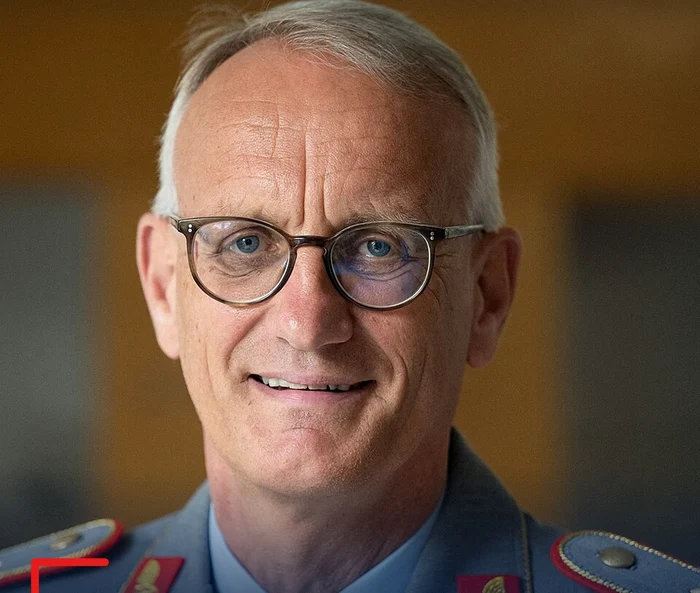
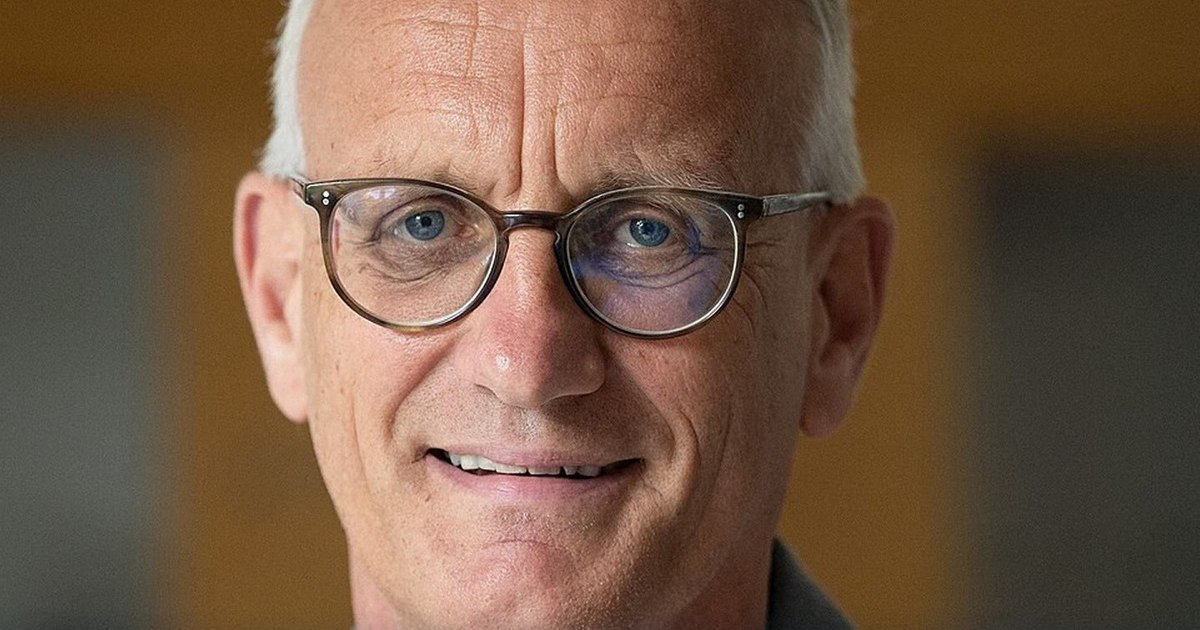
German General Wolf-Jürgen Stahl/PHOTO:X
The German official claims that Moscow is already waging a hybrid war against Western states, including through persistent cyber attacks on Germany. In his assessment, Russian President Vladimir Putin would be engaged in a strategic mission against the West, writes The Sun.
“If he has the opportunity, he will use military means,” Stahl said, adding that the European liberal-democratic order is under pressure.
Fear of a crack inside NATO
The general also raised a sensitive question: how would European leaders react if Russian troops occupied the territory of the North Atlantic Alliance? According to him, there could be voices that immediately demand exclusively diplomatic solutions, avoiding direct military confrontation.
For NATO, such a scenario would raise a fundamental problem: how is control over the territory restored – not just legally (“de jure”), but also in fact (“de facto”)?
“The world seems to be falling apart,” Stahl warned, describing the global context as turbulent and unpredictable. He pointed out that the four pillars of German security – the European Union, NATO, economic strength and social cohesion – are under increasing pressure.
Military exercises and sensitive points
Germany is currently hosting NATO's annual Steadfast Dart exercise, a simulation designed to test the speed of reaction and coordination of allied forces. This year, the scenario focused on a major strategic assumption: Russia's occupation of the Suwalki Corridor – a roughly 65-kilometer strip on the border between Poland and Lithuania, the Baltic states' only land link with the rest of the Alliance.
For Warsaw, the threat is concrete. After Poland shot down Russian drones that violated its airspace in September, talk of strengthening defense capabilities intensified. President Karol Nawrocki has said he supports Poland joining a “nuclear project”, arguing that national security must be strengthened in an unstable regional context.
The American nuclear umbrella
In this context, Stahl expressed confidence that the United States will continue to provide the so-called “nuclear umbrella” to European NATO allies – a strategic guarantee by which Washington undertakes nuclear deterrence on behalf of its partners.
Even though US President Donald Trump has suggested in the past reducing the US conventional presence in Europe, the German general believes that it is not in Washington's interest for states like Poland to develop their own nuclear arsenals.
In Berlin, Chancellor Friedrich Merz ruled out developing a nuclear capability of her own, but conceded that Germany could theoretically host British or French warheads under existing NATO arrangements.
Difficult negotiations and a prolonged stalemate
The warnings come as Russia continues its offensive in Ukraine and US-brokered talks recently ended without significant progress. The talks in Geneva were described by both sides as difficult, with the main disagreements over territorial concessions.
Ukrainian President Volodymyr Zelensky said the results were not enough and that sensitive political issues, including possible compromises and a possible high-level meeting, had not yet been resolved.
For its part, Moscow qualified the talks as “difficult but constructive”.
In recent days, Donald Trump has conveyed that the success of the negotiations largely depends on Kiev, stating that Ukraine must quickly come to the negotiating table.
Donbas – the nerve center
The main obstacle remains the territory, especially the Donbas region in eastern Ukraine. Russia claims full control of it, while its forces already hold much of the territory.
For Kiev, any agreement that would involve giving up sovereign territory is difficult to accept. Volodymyr Zelensky said that the Ukrainian people would not forgive such a compromise.
As the conflict drags on, warnings of a possible escalation of the conflict are becoming more pressing. For Europe, the stake is not only regional stability, but the very security architecture built after the Cold War.
And the question that hangs over the continent remains open: is it a prolonged crisis or the prelude to a wider confrontation?