Meta's patent, filed in 2023 and finally granted, describes the use of large language models (LLM) to mimic user behavior in accounts that have become inactive – for example, due to a long hiatus or death. The system trains the model on “user-specific data” such as their previous comments, likes and content posted on the platform.
As a result, the bot can react to the content of others: by liking, commenting or replying to direct messages. It can even simulate video or audio calls. The goal is to maintain the user's “presence”, which in some twisted way is supposed to help users grieve. The meta emphasizes that inactivity on the account could have a “serious and lasting impact” on followersespecially in the event of death, and suggests that such technology could aid the grieving process by allowing one to interact with a digital version of the deceased and “experience memories.”
|
Tada Images / Shutterstock
It is worth noting, however, that Meta currently denies that this patent has been implemented. Even though it's just a concept, it's already controversial. Experts warn of ethical, social and philosophical consequences. “Let's let the dead be dead,” say comments online. Critics see a business motive in this: maintaining activity on the platform so that the number of users and time spent on Facebook do not decline.
E-resurrection?
How does it work? AI analyzes a user's past interactions to replicate their communication style with a chatbot that will take over the inactive account. For example, if someone was known for witty comments, the bot will try to imitate them.
The system is trained on profile data: posts, comments, likes. The bot can automatically respond to interactions, e.g. comment on posts, reply to private messages, and even simulate audio/video conversations. This allows you to maintain a digital presence, which in theory can ease the pain of loss by offering the illusion of continued relationships.
This isn't the first time technology has tried to “reanimate” the dead. The history of such solutions goes back further. In 2016 Eugenia Kuyda created a chatbot based on messages from her deceased friend Roman Mazurenko. Microsoft unveiled a similar system in 2017. In China, companies already offer deepfakes of the dead, and in the US, Joshua Barbeau used Project December to talk to his deceased fiancée.
The market for digital afterlife exists: companies like HereAfter AI, StoryFile, Replika, Eterni.me offer chatbots and avatars based on the deceased. Digitization before death (recording, among other things, stories told) is also becoming more and more popular. Companies like HereAfter AI allow you to record life stories so that your loved ones can “talk” to them after death. StoryFile began by preserving the stories of Holocaust survivors and now offers interactive conversations with the deceased.
The growing “death-tech” market
The market for “digital resurrection” is growing at a breakneck pace. According to reports, the digital asset management sector after death may reach USD 52 billion. by 2030with 20 percent annual growth.
Is there demand? Yes – market growth statistics indicate this: 194 percent. the increase in “posthumous digital services” was generated by the pandemic, 75 thousand users registered on MyWishes, and HereAfter recorded a 10-fold increase. The demand is additionally driven by aging societies (e.g. in Japan) and the desire to preserve memories.
Beautiful idea or business strategy?
But is it a beautiful idea or a cynical business? The idea sounds beautiful: help in mourning, preserving memories. But critics see business: Meta may want to stay active so as not to lose users (dead accounts are a waste). “Deadbots” can generate engagement, which increases time on the platform and collected user data, which are an important commodity for Meta.
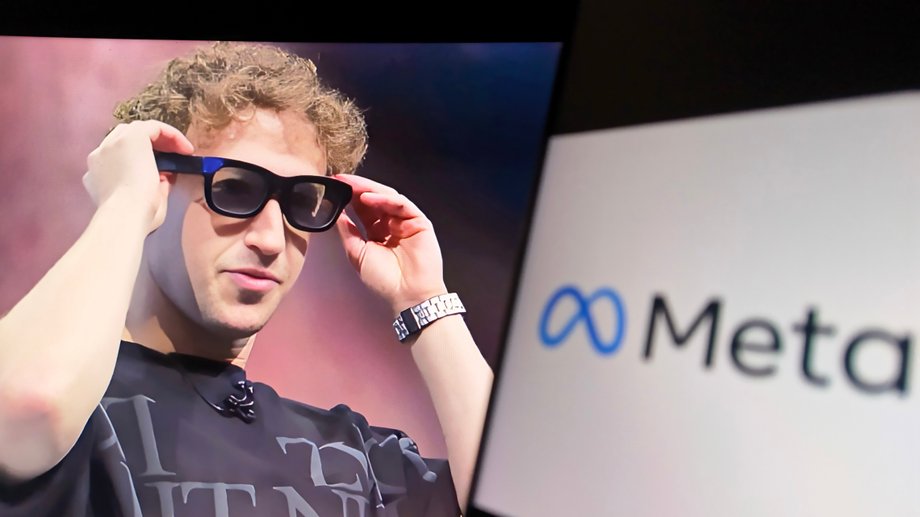
Mark Zuckerberg
|
Mijansk786 / Shutterstock
This may be a way for Facebook to activate “dead” accounts so that live users spend more time on the platform. The market shows that companies see profit from mourning. Ethical concerns, however, include the consent of the deceased, data privacy and dignity, but history shows that these can be “hidden” in the regulations, which almost no one reads anyway (and no one reads them in their entirety).
Does it make sense to talk to a digital ghost?
Do such solutions have a chance of being used in psychology and psychiatry as support in mourning? Yes, but with major reservations. The modern theory of mourning (the so-called continuing bonds theory) assumes that healthy mourning does not consist in completely breaking the bond with the deceased, but in transforming this relationship into a new, symbolic form. In this context, talking to a “mourner” can act as a safe way to work through unexpressed emotions, say goodbye, say “I'm sorry” or “I love you.” But… tell a chatbot “I love you”?
The risks are serious: prolonging mourning instead of processing it, addiction to simulation, aggravation of symptoms in particularly emotionally sensitive people, and even a secondary traumatic reaction when someone realizes that they are talking to a machine. Without regulation and conscious use, we are at risk of “digital haunting” rather than real help.