Crude oil imports to Hungary and Slovakia – two European Union countries that, despite sanctions, still largely based their refineries on Russian crude supplied via pipeline – have been suspended.
These countries, as landlocked countries, used primarily the “Druzhba” pipeline running through the territory of Ukraine. As a result of a Russian air raid on Ukrainian territory, it was damaged.
Now Budapest and Bratislava are asking Croatia for support in importing Russian oil, counting on transport via the Adriatic Sea.
The problem, however, is that from December 2022 its import by sea is prohibited in the European Union.
The sudden interruption of supplies put Budapest and Bratislava in a situation that they had been trying to avoid for years. This is not just a logistical problem, but a test of political choices and the limits of EU solidarity.
According to Bloomberg data, in February there were no oil deliveries from Russia to Hungary and Slovakia at all. In January they amounted to 150,000. barrels per day. This information was provided to the agency by a person who knows the background of the case. For comparison: in the first two months of 2022–2025, the average daily delivery volume reached approx. 200,000. barrels.
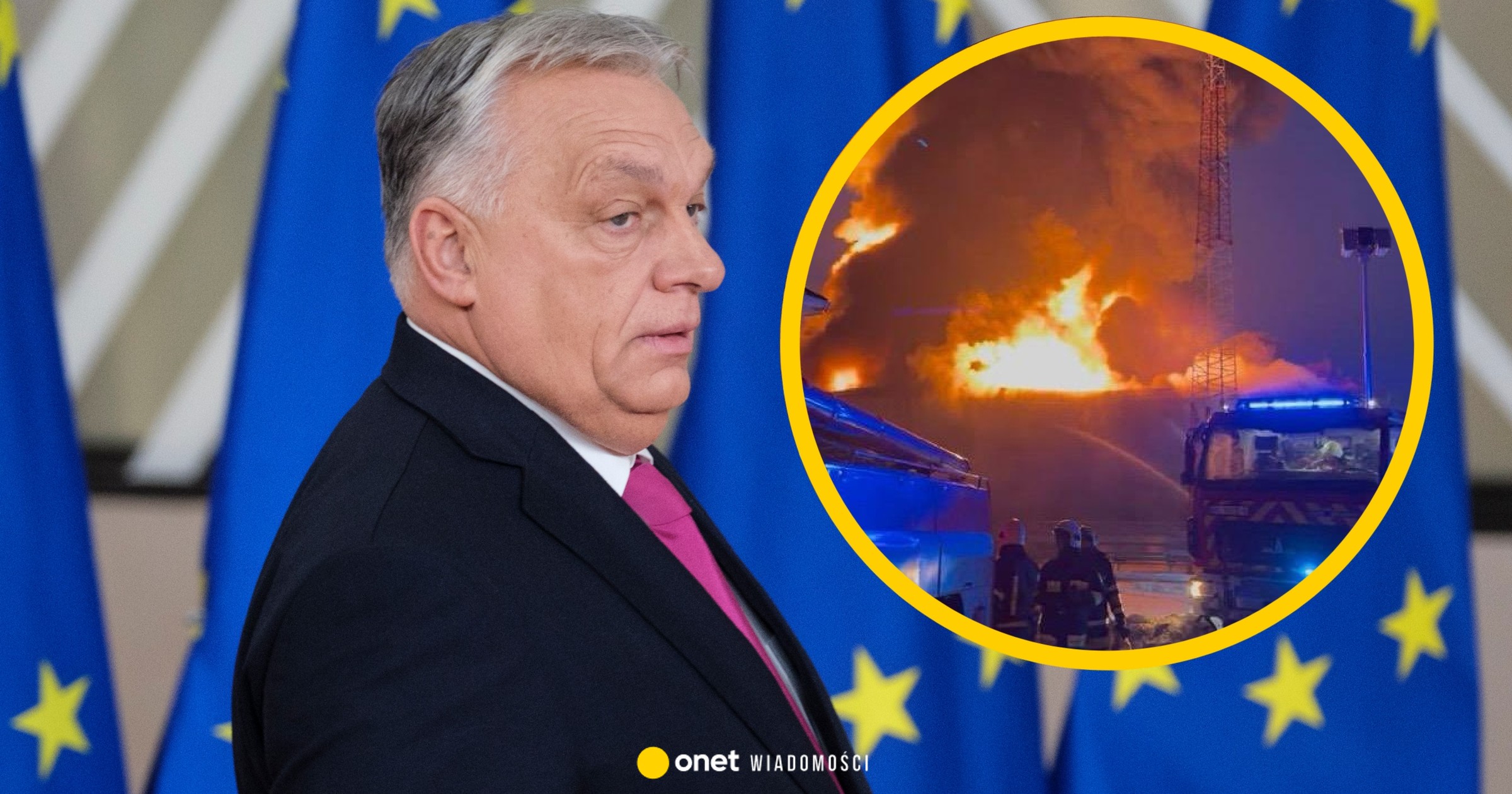
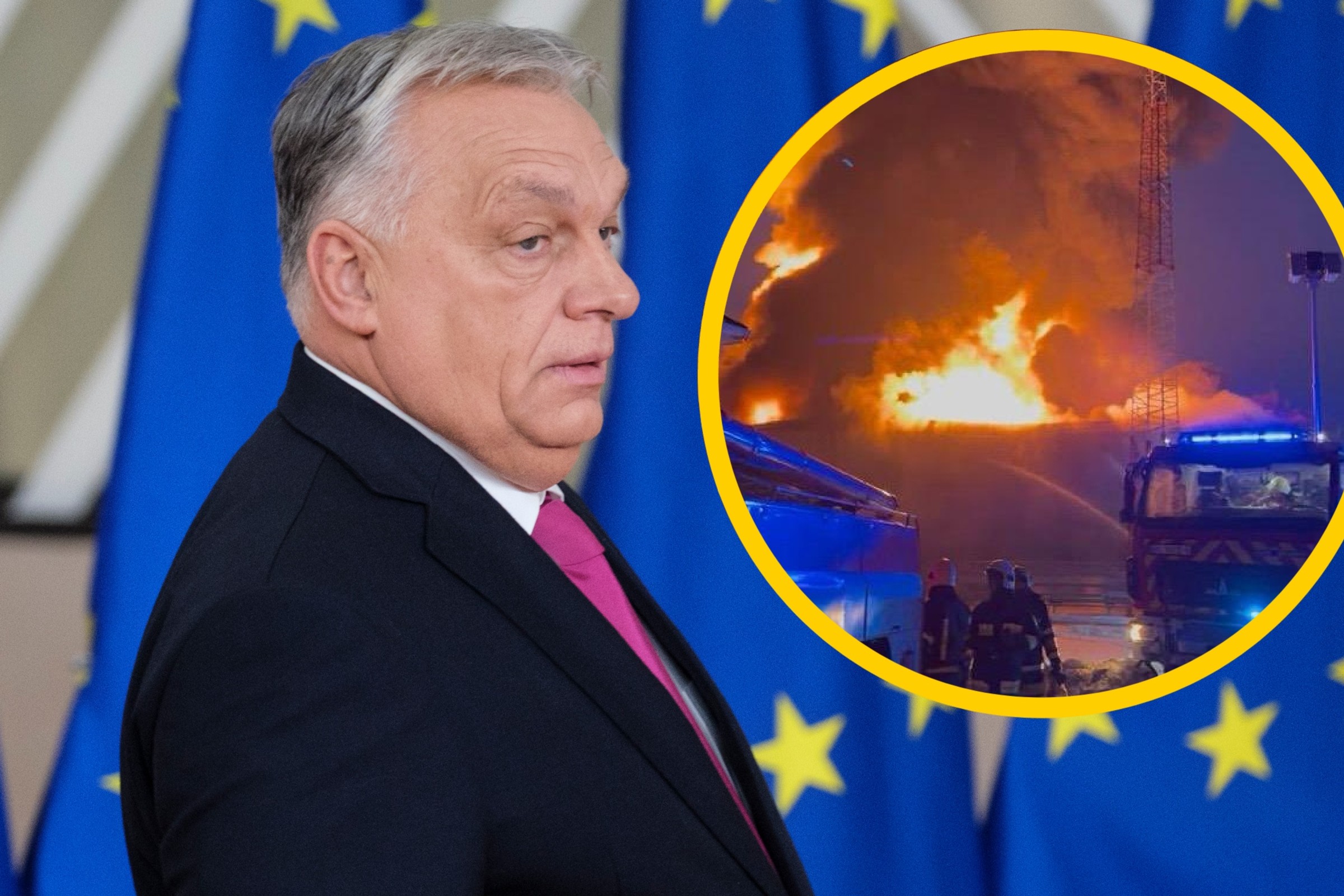
During the raid on January 27, the southern branch of the Druzhba pipeline was damaged, which – as Ukrainian Foreign Minister Andriy Sybiha announced last Thursday – led to the suspension of deliveries. The minister published photos of the burning section of the pipeline.
We know that the Hungarian side is preparing to make further complaints about problems with the transit of Russian oil through the Druzhba pipeline. We can only advise them to contact their “friends” in Moscow with these photos.
– wrote Sybiha.
Kyiv in Budapest's sights
On Monday, February 16, Hungarian Minister of Foreign Affairs Peter Szijjarto accused Ukraine of deliberately not resuming oil transit for political reasons – Reuters reported. He also added that, together with the Slovak Minister of Economy, he asked Croatia for support in organizing supplies of Russian oil.
“We are asking Croatia to allow the transport of Russian oil to Hungary and Slovakia via the Adria pipeline,” Szijjarto wrote on the X website.
Energy security should never be held hostage by ideology. We therefore expect that Croatia – unlike Ukraine – will not jeopardize the security of oil supplies to Hungary and Slovakia for political reasons.
– he concluded.
According to Szijjarto, the exception to EU sanctions against Russia, granted to Hungary and Slovakia, “allows the import of Russian oil by sea in the event of disruptions to pipeline supplies.” Meanwhile, from December 2022, the EU introduced an embargo on maritime deliveries of Russian oil, and the derogation intended for landlocked countries – such as Hungary and Slovakia – concerned only pipeline transport.
Dispute over the Adriatic route
The Adria pipeline runs through Croatia and enables the transportation of oil delivered by tankers to ports on the Adriatic Sea. This is where Hungary could receive raw material arriving by sea.
So far, however, despite repeated calls from the EU to diversify supply sources by increasing the use of Adria and importing oil from other exporters, Budapest has consistently rejected such solutions.
The article continues below the video
Viktor Orban's government has repeatedly raised the argument that Adria is unable to provide adequate bandwidthand in addition, the Croatian authorities increased transit fees, which – according to Hungary – made transport unprofitable. In October 2025, Szijjarto even accused Croatia of “trying to profit from the war in Ukraine.”
“It's just an excuse”
Croatian politicians and representatives of the energy sector vehemently denied this. Economy Minister Ante Susnjar then stated that Hungary's repeated allegations of inflated transit fees and insufficient pipeline capacity “are one hundred percent untrue.”
This is just an excuse to keep buying Russian oil. We have no problems ensuring deliveries. We are ready to act practically overnight
– he emphasized.
According to Ilona Gizińska, an expert on Hungary from the Center for Eastern Studies, Orban's government does not have the “political will” to completely give up Russian oil. The most problematic aspect is the financial aspect – budget revenues, when the deficit was approaching 4.6%. GDP.
While the share of raw material from Russia in total oil imports to the EU dropped from 26%. in 2021 to only 3 percent, Hungary – contrary to the EU trend – increased its share from 61 percent. up to 86 percent Slovakia, however, remains 100 percent dependent on Russian oil.
I’m Ashley Davis as an editor, I’m committed to upholding the highest standards of integrity and accuracy in every piece we publish. My work is driven by curiosity, a passion for truth, and a belief that journalism plays a crucial role in shaping public discourse. I strive to tell stories that not only inform but also inspire action and conversation.