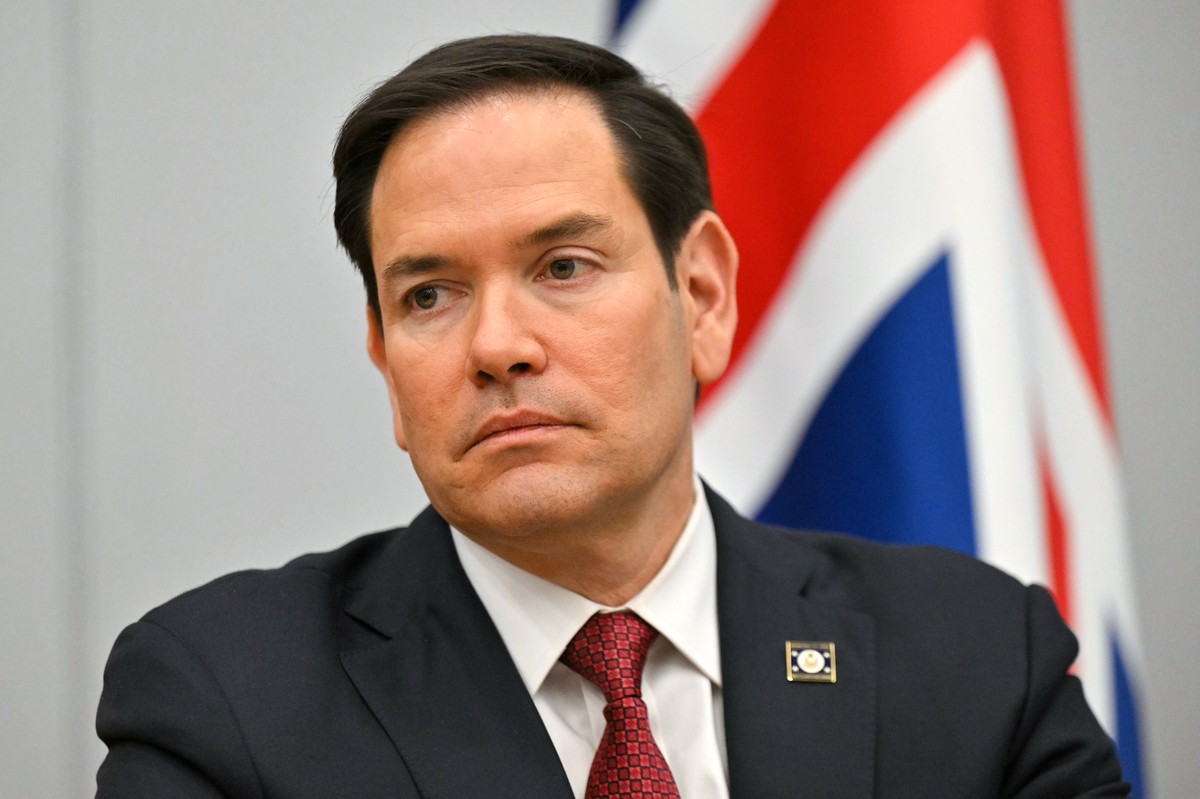
According to him, allegations that Americans demand from allies an increase in defense expenditure, and at the same time hit their economy, imposing customs, they are “unfair”. Just like suggesting that the American duties have led to the collapse of the markets.
“No, the markets do not break down, but react to a dramatic change in global trade order” – said the American secretary of state.
The politician explained that the situation is very simple.
“If you are a company and produce your products in China and suddenly your shareholders are aware that production in China will cost much more, your actions will fall. But ultimately the markets will adapt, they only need to know what the rules apply” – he said.
“So I do not think that it would be fair to say that the economies break down. They react so because they are based on the value of the shares of companies that are today set in production methods that are unfavorable to the United States,” he added.
Rubio noticed that the US considers themselves the largest consumer market in the world. However, in fact, the only thing they export are services.
“We have to end it and return to the times when we will be a country capable of production and able to provide jobs for Americans. And to do about, we must reset the current global trade order” – he explained.
He expressed the belief that this would allow Americans to become independent of production from China.
“What China is doing is outrageous. They do not consume anything, everything they do is export, flood and disturb the markets. Of course, in addition to all tariffs and barriers they introduce” – he said.
Read also: Poles' pensions will suffer on a stock exchange panic. The first funds gave the valuations
On Wednesday, Donald Trump signed a regulation imposing “mutual duties” in the amount of at least 10 percent. For goods imported from abroad, in the case of EU goods they will amount to 20 percent. The rates announced by the US are to constitute half of the summarized duties and non -charming trade barriers used by other countries. In the case of China, the tariffs will amount to 34 percent. (This rate will be added to the previously announced 20 % of duties; will be 54 percent), Japan – 24 percent, India – 26 percent, South Korea. – 25 percent.