How an extended conflict in the Middle East could affect the global economy. Three possible scenarios


Tensions in the Middle East could trigger a new energy shock, comparable to the oil crises of the 1970s, with significant effects on the world economy, according to an analysis published by Bloomberg.
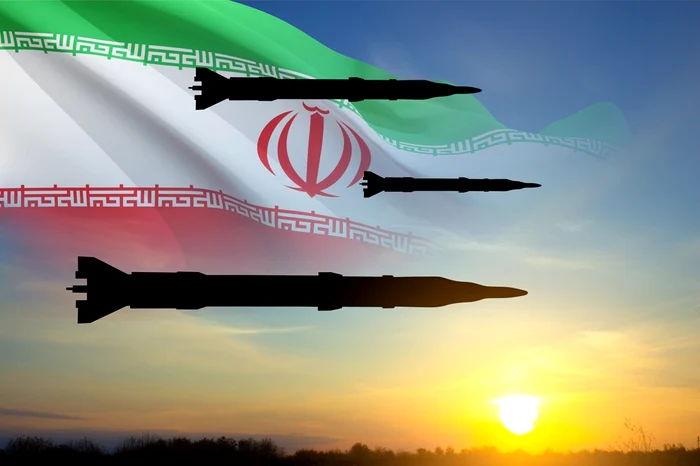
Iran threatens to retaliate if attacked/PHOTO: Archive
In the most severe scenario assessed by analysts, the price of oil could rise by up to 80%, from around $60 to $108 per barrel. Such a development could slow global economic growth, accelerate inflation and prompt central banks to once again adopt tighter monetary policies.
An essential energy provider
Despite the expansion of renewable energy and increased oil shale production in the United States, the Middle East remains a central player in energy markets. The region produces about a third of the world's oil and a fifth of natural gas, covering about 15% of global energy needs.
Also, several of the world's largest sovereign wealth funds belong to states in the region, including Kuwait, Qatar, Saudi Arabia and the United Arab Emirates. Their investments are globally distributed, from US technology companies to infrastructure and financial assets in Europe, Africa and Asia.
The strategic importance of the region is amplified by sea routes essential for global trade. The Strait of Hormuz transits about a fifth of the world's oil flows, and the Red Sea and the Suez Canal are major trade corridors between Asia and Europe.
Three possible scenarios
Bloomberg analyzed three scenarios regarding the potential impact of escalating conflicts on energy markets.
1. Limited impact
In many cases, geopolitical tensions do not have a significant effect on the price of oil, especially when they do not directly affect the large production areas of Iran, Iraq or the Persian Gulf states. Included in this category are local conflicts or political instability in countries that are not major oil producers.
2. Temporary price increases
This is the most likely scenario. Events such as a limited escalation between Iran and Israel, major political changes in Tehran or pinpoint attacks on energy infrastructure could cause prices to rise in the short term. However, if the affected facilities could be brought back into operation quickly, the impact on the market would remain limited in time.
3. Major and lasting increases
The most severe but also the least likely scenario involves widespread and prolonged supply disruptions. Among the risks identified are direct attacks on Iranian or Iraqi oil infrastructure, as well as a possible blockade of the Strait of Hormuz.
Iran has repeatedly threatened to close this strategic sea route. Such a measure would affect about 20 percent of global oil supplies, which could push prices to levels above $100 a barrel.
The relationship between supply and price
Based on historical data, Bloomberg estimates that a 1% reduction in global oil supply can lead to a price increase of between 2% and 6%, with an average of about 4%. Considering that Iran produces about 3% of the world's oil, significant disruptions in this country could have a considerable impact on the market.
Since the 2023 Hamas attack on Israel, geopolitical developments in the Middle East and oil market dynamics have not always been directly correlated. However, the economic costs were felt strongly at the local level.
In Gaza, the conflict has caused widespread destruction and the economy has contracted significantly, according to international estimates. Israel's economy also saw output decline from pre-war levels, while Egypt suffered heavy losses due to reduced traffic through the Suez Canal.
Currently, Bloomberg sees energy markets remaining relatively protected from geopolitical turbulence in the region. However, in the event of a worst-case scenario, this separation could disappear and the global economy could face a new energy shock, similar to those of the 1970s.