Lia Savonea, about the request sent to the CCR the day before the meeting on magistrates' pensions: “There was no intention to influence the CCR calendar”


The president of the High Court of Cassation and Justice, Lia Savonea, says that “a decision pronounced quickly, but in the absence of an essential clarification, can generate much more serious consequences in the long term.” She explained, thus, for Cotidianul, the request to the CCR to request the opinion of the European Court of Justice on the issue of magistrates' pensions.
Yesterday, the ICCJ sent a request to the CCR asking the Court to request an opinion from the Court of Justice of the European Union (CJEU). For this reason, the CCR judges postponed a decision today, citing the need to analyze the request received from Lia Savonea. A new meeting of the CCR is scheduled to take place next week, on Wednesday.
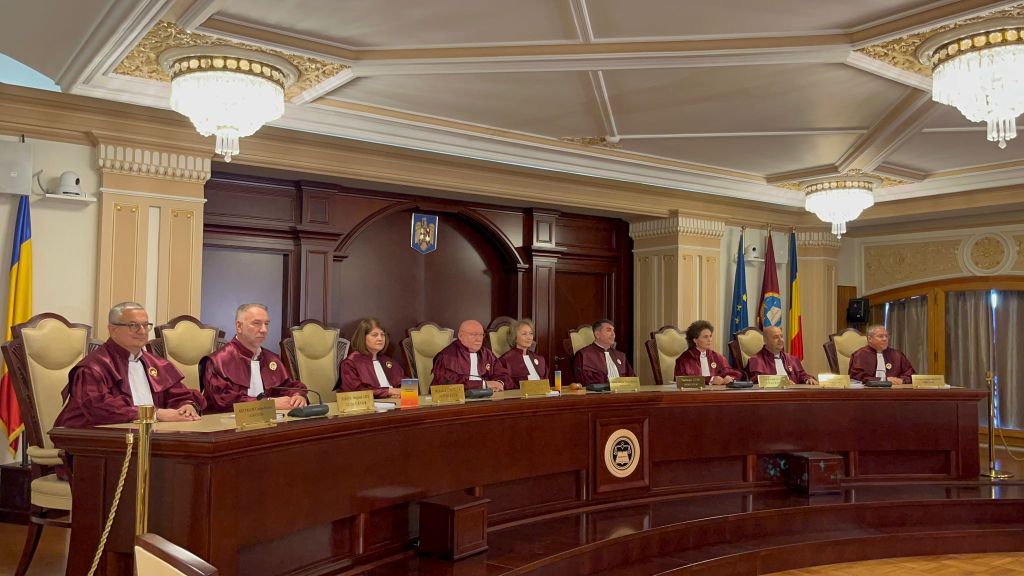 Fifth adjournment on the magistrates' pensions law. CCR postpones a decision to analyze the ÎCCJ's request
Lia Savonea: “The duration of the procedure cannot be the main criterion”
Lia Savonea says about today's postponement from the CCR that it is a procedural decision, which pertains to the Court's powers.
Asked why she thought a point of view from the CJEU was needed, where it can take months for an answer to come, Lia Savonea said that the referral request to the European Court “is not a gesture of procrastination, but a legal instrument provided for in the European treaties”: “It is natural for the constitutional court to analyze all the relevant elements before ruling, especially in a matter with a major legal impact”.
She said that “when there is a serious question of interpretation of European law, national courts have not only the possibility but sometimes the obligation to request a preliminary answer”.
“The duration of the procedure cannot be the main criterion. The priority is legal clarity and compliance with the principle of the supremacy of European law. A decision pronounced quickly, but in the absence of an essential clarification, can generate much more serious consequences in the long term,” Lia Savonea told Cotidianul.
Asked about the moment when she sent the request to the CCR, a day before Wednesday's deadline, the head of the ICCJ said that it “is determined by the legal analysis and the dynamics of the case”.
“There was no intention to influence the CCR calendar, but exclusively the concern to use all available legal tools to ensure a fair solution and according to the rules of a state of law,” added Savonea.
 “It will take about two years to postpone.” A former CCR president explains what will happen if the ÎCCJ approach is successful
How the ICCJ motivated the request to seek the opinion of the European Court of Justice
In the request sent to the CCR on Tuesday, for referral to the European Court of Justice, the supreme court says that this step is necessary to establish whether the changes to the magistrates' pensions proposed by the Bolojan Government comply with European Union law.
“Within the approach formulated, the opinion is expressed that the analyzed provisions are likely to not respect the principles of proportionality, equality, legal security and the protection of legitimate trust, fundamental principles of the legal order of the European Union, relevant for the evaluation of the legality of any reform regarding the status and independence guarantees of magistrates”, says the High Court of Cassation and Justice, in a statement sent on Tuesday.
The supreme court formulated five objections, which it claims raise problems from the perspective of European Union law, since:
- “can lead to a discriminatory treatment of magistrates in relation to other categories of service pension beneficiaries;
- they are not accompanied by a rigorous and transparent substantiation that would allow a proportionality test to be carried out, in the absence of the necessary data;
- they can reduce the financial security of judges below the appropriate level;
- perpetuates a state of legislative instability;
- establishes an unequal transitional regime, difficult to justify objectively”.
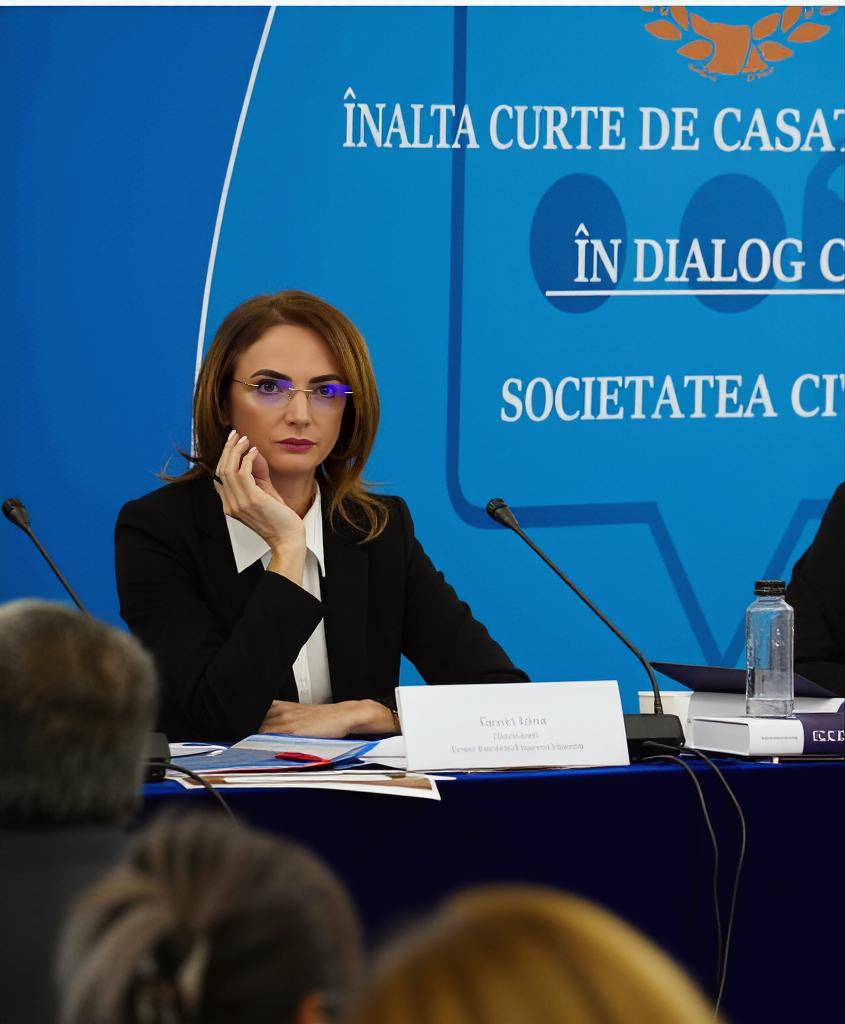 Lia Savonea intervenes again, in an attempt to stop the modification of magistrates' pensions. It requests the opinion of the European Court of Justice